Motorway signs in Ireland are designed to help drivers do three things safely and early: join properly, keep the correct lane, and leave without panic or last-second movements. Many drivers understand the motorway speed limit but are much less confident about countdown signs, auxiliary lanes, lane gain signs, or what to do after missing an exit. This guide explains the motorway sign system and the motorway rules that go with it.
Road Signs in Ireland — Article Series
In This Guide
- What Are Motorway Signs?
- What They Look Like
- The Main Motorway Signs
- Who Can Use a Motorway?
- Joining the Motorway
- Lane Rules on Motorways
- Auxiliary Lanes
- Motorway Exit Sign Sequence
- Leaving the Motorway
- Services, Toll Signs & Stopping
- Overhead Lane Signs
- Common Motorway Mistakes
- Theory Test Tips
- Frequently Asked Questions
What Are Motorway Signs?
Motorway signs are a category of information and direction signs used only on motorways and on roads approaching motorways. Their purpose is not just navigation. They also support motorway safety by giving you advance notice of entries, exits, lane changes, services, toll plazas, and restrictions that apply only on motorway roads.
On motorways, the pace is faster and the margin for hesitation is smaller. That is why motorway signs are designed to be clear, consistent and spaced in sequence. If you understand the sign sequence, you should almost never need to brake suddenly or make a sharp late lane change.
What They Look Like
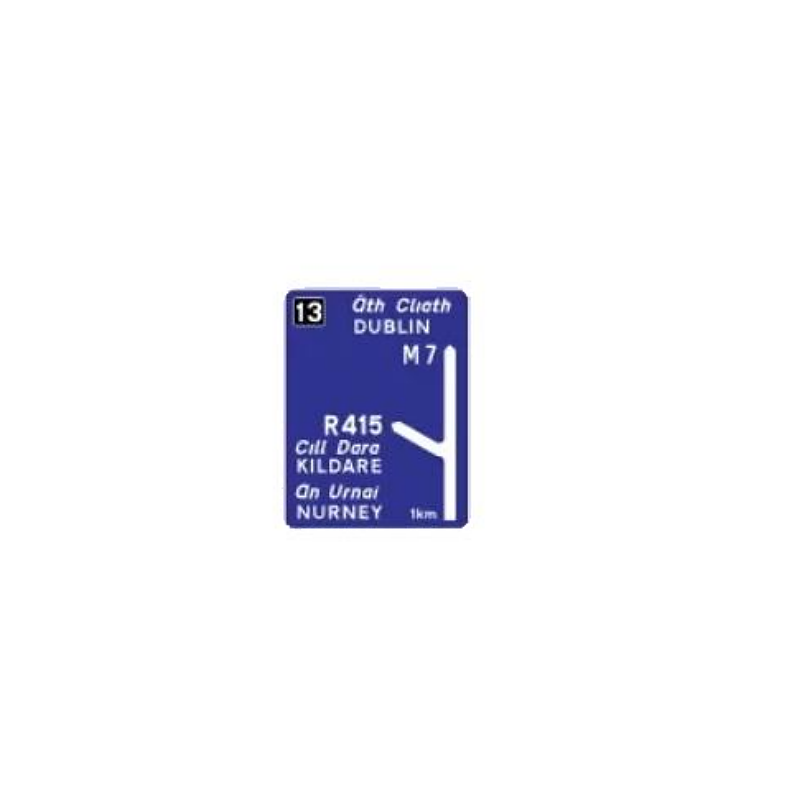
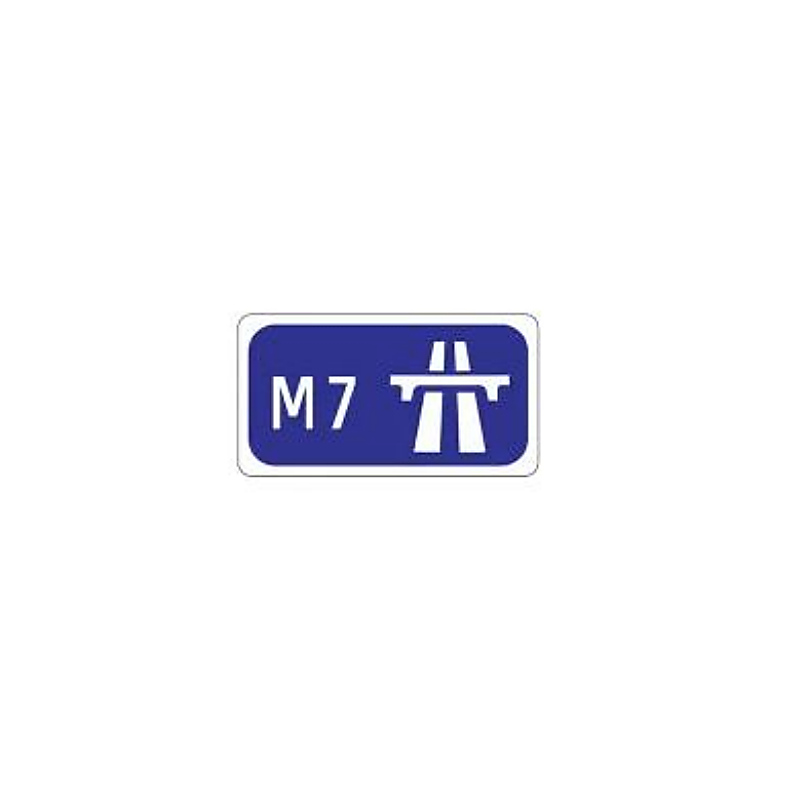
Blue — MotorwayMotorway signs in Ireland are rectangular with a blue background and white text or symbols. That colour scheme immediately tells you that the sign relates to a motorway rather than a national, regional or local road.
| Feature | Meaning |
|---|---|
| Shape | Rectangular |
| Colour | Blue background with white writing or symbols |
| Where used | On motorways and on approach roads leading to them |
| Main purpose | To guide motorway entry, lane choice, exits, services and restrictions |
Learning to drive in North Dublin?
BP Driving School covers Swords, Malahide, Portmarnock, Santry, Raheny and surrounding areas.
The Main Motorway Signs
The motorway section of the RSA Rules of the Road highlights a standard group of signs you should know. These are the signs that appear most often in real driving and on the theory test.

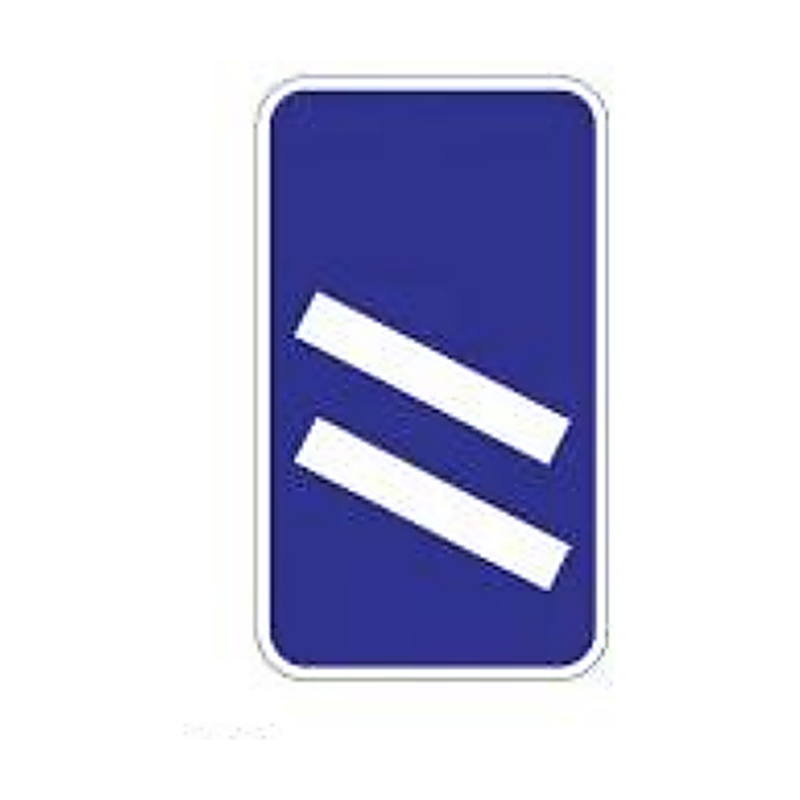
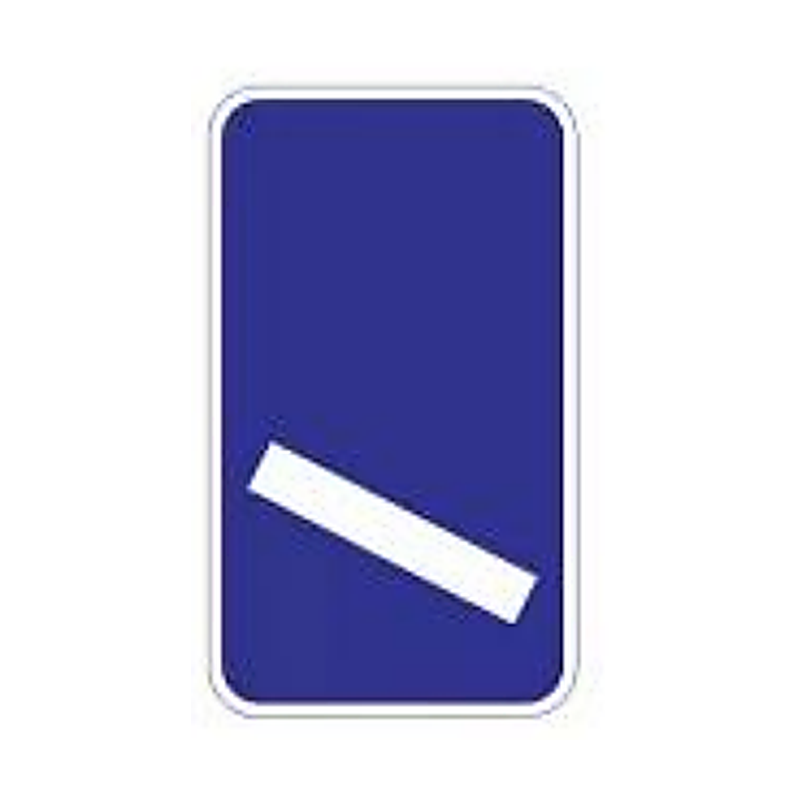
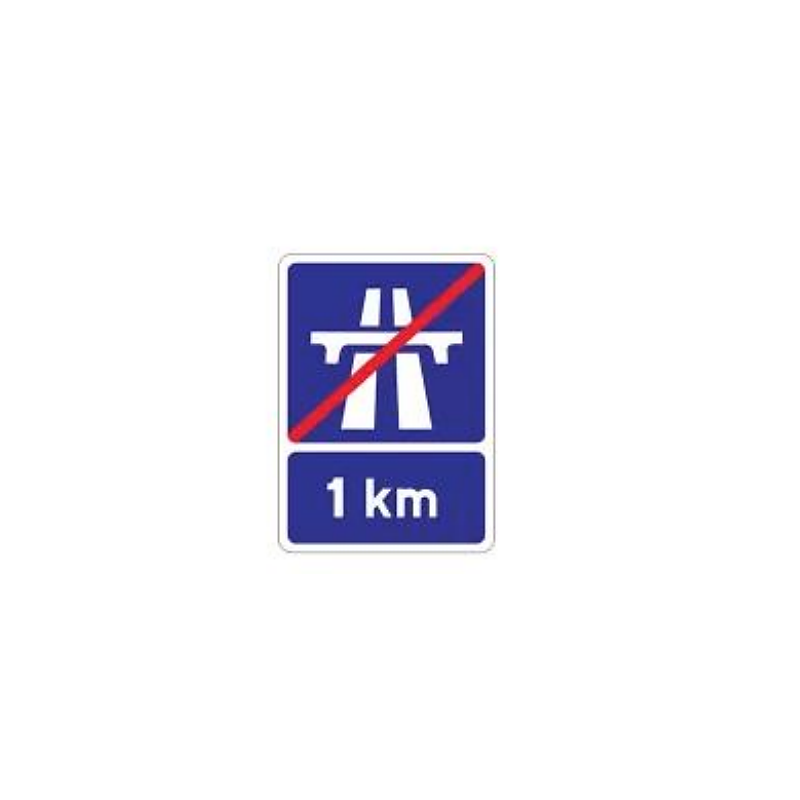
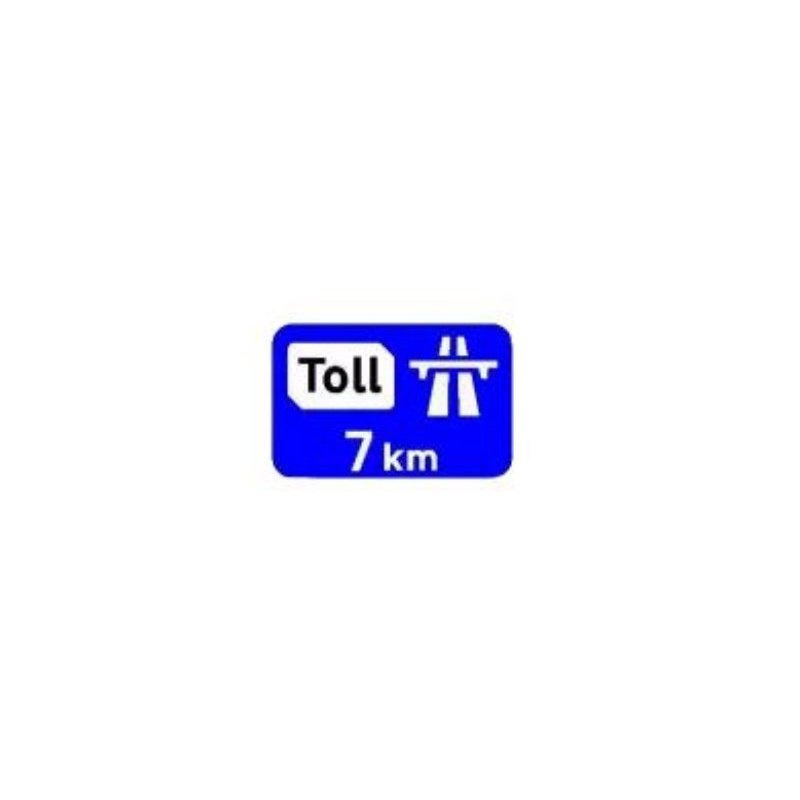
| Sign | What It Tells You |
|---|---|
| Motorway Ahead | A motorway is about to begin and motorway-only rules are about to apply |
| Entry to Motorway | You are now on the motorway and must obey motorway rules |
| 2km / 300m / 200m / 100m to Next Exit | Your next exit is approaching; use the sequence to position early |
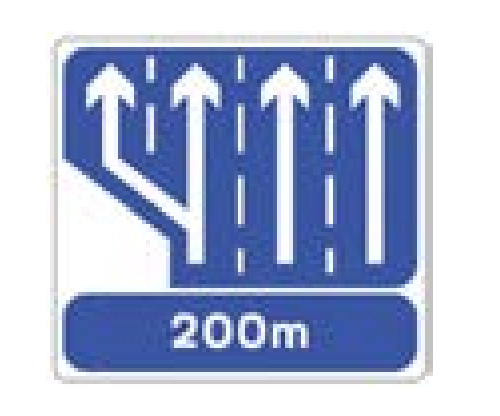
| Lane Gain Sign | An additional lane is joining the motorway |
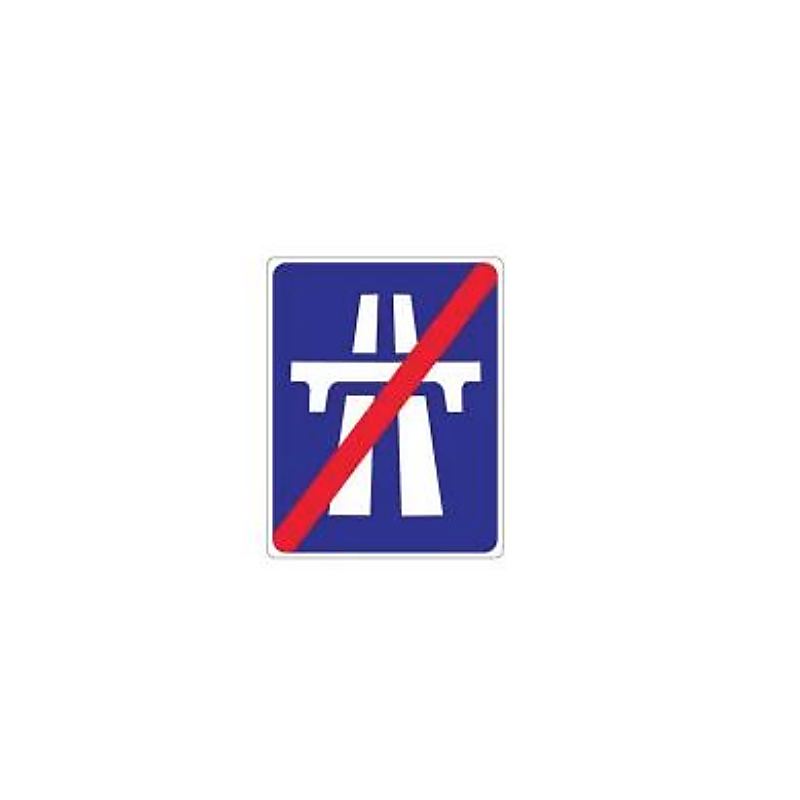
| Motorway Ends 1km / 500m Ahead | The motorway is about to finish and a different road environment is coming |
| End of Motorway | You have now left the motorway and motorway rules no longer apply |
Who Can Use a Motorway?
Before talking about joining and exiting, you need to know the legal entry rule. The RSA book says that the signs at the start of a motorway indicate that certain road users must not enter. These include people who do not hold a full driving licence for the category of vehicle they are driving, vehicles incapable of at least 50 km/h, vehicles with an engine capacity of 50cc or less, invalid carriages or motorised wheelchairs, vehicles that do not use inflated tyres, cyclists, pedestrians and animals.
For learner drivers, that means one thing very clearly: a learner permit holder must not drive on a motorway. You still need to know motorway signs for the theory test, but not for unsupervised practice on public motorways.
Joining the Motorway
Joining properly matters because traffic already on the motorway has priority. The RSA guidance is very clear: when entering a motorway, you must be careful, use the acceleration lane correctly and give way to traffic already on the motorway.
- Use the acceleration lane to build up speed before merging
- Signal early to show your intention to merge
- Check mirrors and blind spot for a safe gap in Lane 1
- Obey road signs and road markings
- Do not drive on hatched markings before merging
- Match your speed, as near as possible, to the traffic in that lane
Lane Rules on Motorways
The RSA explains motorway lanes in a very structured way. Lane 1 is the lane nearest the hard shoulder or auxiliary lane. On a two-lane motorway, the lane nearest the central median is Lane 2. On a three-lane motorway, the lane nearest the central median is Lane 3.
Lane 1
The normal keep-left rule applies. Stay in Lane 1 unless you are overtaking or there is another valid reason to move out.
Lane 2
On a two-lane motorway, use Lane 2 mainly for overtaking and then move back to Lane 1. On a three-lane motorway, you may remain in Lane 2 while slower traffic is in Lane 1.
Lane 3
On a three-lane motorway, use Lane 3 only if lanes 1 and 2 are moving in queues and you need to overtake or accommodate merging traffic. Then move back left again.
| Vehicle Type | Outside Lane Restriction |
|---|---|
| HGV over 3,500kg | Must not use the lane nearest the central median except in exceptional circumstances |
| Vehicle towing trailer / caravan / horsebox | Must not use the outside lane except where obstruction makes inner lane unusable |
| Bus or coach designed for standing passengers | Must not use the outside lane |
| Bus or coach not designed for standing passengers | May use the outside lane |
Auxiliary Lanes
Auxiliary lanes confuse many drivers, but the RSA explanation is straightforward. An auxiliary lane usually links an on-ramp with the next off-ramp. It is marked by a broken white line to its right with markings that are shorter, closer and wider than the normal lane markings.
You may use an auxiliary lane when joining the motorway to adjust your speed before entering Lane 1. You may also stay in it if you intend to leave at the next exit. But if you do not intend to take the next exit, you should join Lane 1 rather than remain in the auxiliary lane.
Motorway Exit Sign Sequence
The motorway exit system is designed to remove surprises. The signs appear in a predictable order so that you have time to plan early, signal properly and move across smoothly.
This sequence gives you multiple reminders. Good motorway drivers use them to get into the correct lane early. They do not wait until the 100m sign and then cut across another lane at speed.
Leaving the Motorway
When leaving the motorway, you first enter a deceleration lane. The RSA guidance says that if possible you should keep up your speed until you enter that lane, and then reduce speed there while checking for a lower speed limit. Slip roads and link roads may include tighter bends than the motorway itself, so speed awareness matters immediately.
- Move into the exit lane in good time
- Enter the deceleration lane first, then slow down
- Check for lower speed limit signs
- Use your speedometer rather than guessing
- Expect sharper bends on the link road than on the motorway
Services, Toll Signs & Stopping
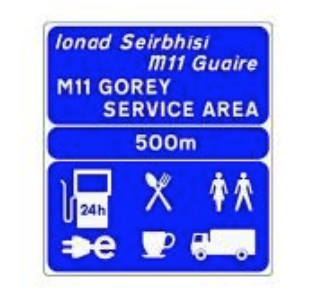
Motorway service signs help you plan fuel, food, toilets, rest areas and other facilities. The Rules of the Road also notes toll plaza signs and lane information, including manual lanes, electronic toll collection and automatic coin lanes.
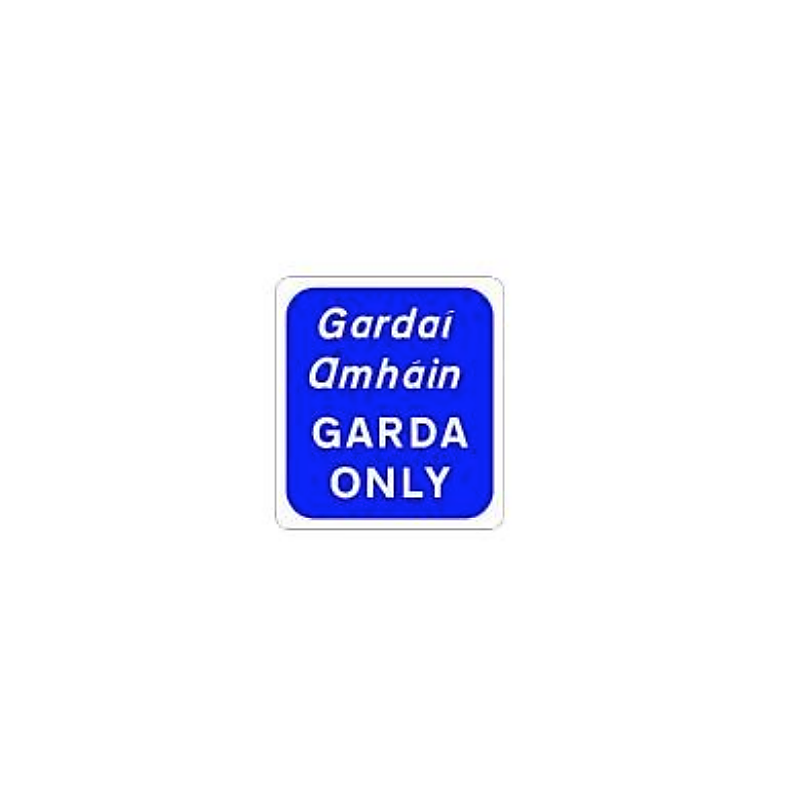
As a general motorway rule, you may stop or park only when your car breaks down, a Garda signals you to do so, there is an emergency, there are roadworks, or you are at a toll plaza. Otherwise, motorway stopping is prohibited.
Overhead Lane Signs
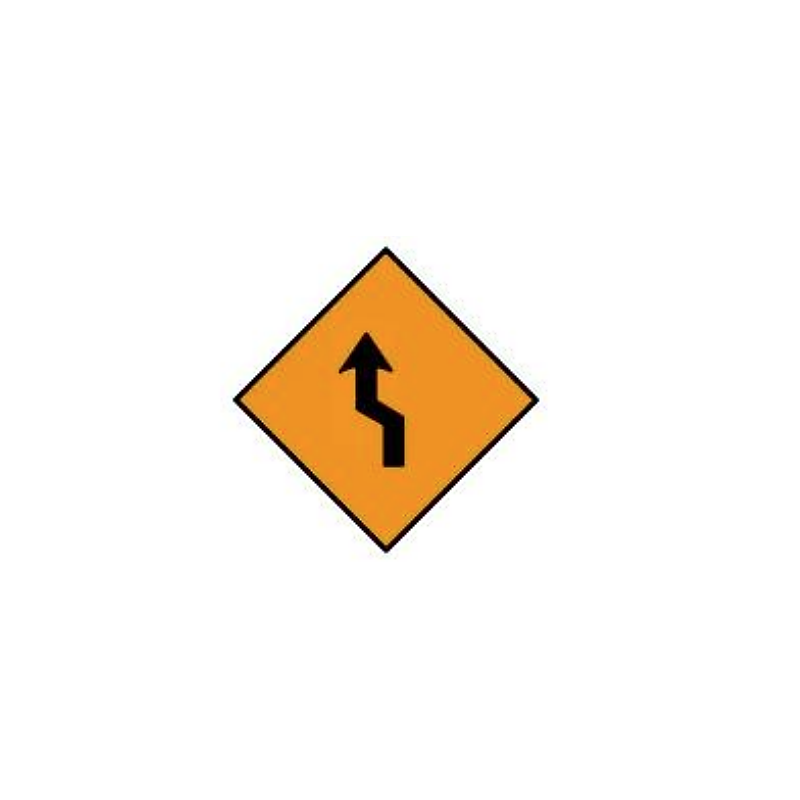
Motorways and major roads may also use overhead lane-control signs. These tell you whether a lane is open, closed, or whether you must move left or right. The RSA explains these signs as regulatory signs and says you must obey them.


Common Motorway Mistakes
- Trying to join too slowly: entering below motorway traffic speed creates danger for everyone.
- Driving on hatched markings: these are not part of the running lane.
- Staying unnecessarily in Lane 2 or Lane 3: the keep-left rule still applies.
- Confusing the auxiliary lane with Lane 1: especially near closely spaced junctions.
- Braking before entering the deceleration lane: slow down in the slip road, not on the live carriageway if it can be avoided.
- Panicking after missing an exit: never reverse or force a last-second cut-across.
- Stopping on the hard shoulder for non-emergencies: this is prohibited and dangerous.
Preparing for the driving test?
Build motorway awareness, lane discipline and sign recognition with structured lessons and mock tests.
Theory Test Tips
- Remember that motorway signs are blue with white writing.
- Know the difference between Motorway Ahead and Entry to Motorway.
- Learn the motorway exit countdown sequence.
- Know that learner permit holders must not drive on motorways.
- Remember the 120 km/h motorway limit is the maximum, not the required speed.
- Learn Lane 1 / Lane 2 / Lane 3 logic and what an auxiliary lane is.
Frequently Asked Questions
Continue in the Road Signs series
Understanding motorway signs on paper is one thing. Reading them early, choosing the correct lane, and reacting calmly at speed is a skill built through structured practice. Book your EDT lessons with BP Driving School — RSA-approved, Swords, door-to-door pickup, manual & automatic.
Preparing for your test? Book a mock test to check your readiness before the real thing.