Warning signs are the road's way of giving you advance notice — a heads-up that something ahead requires your attention and a change in how you drive. Every warning sign in Ireland is diamond-shaped and yellow. This guide covers all of them: what they look like, what they mean, and exactly what you should do when you see one.
Road Signs in Ireland — Article Series
In This Guide
- What Are Warning Signs?
- Shape, Colour & What to Do
- Junction Warning Signs
- Bend & Corner Warning Signs
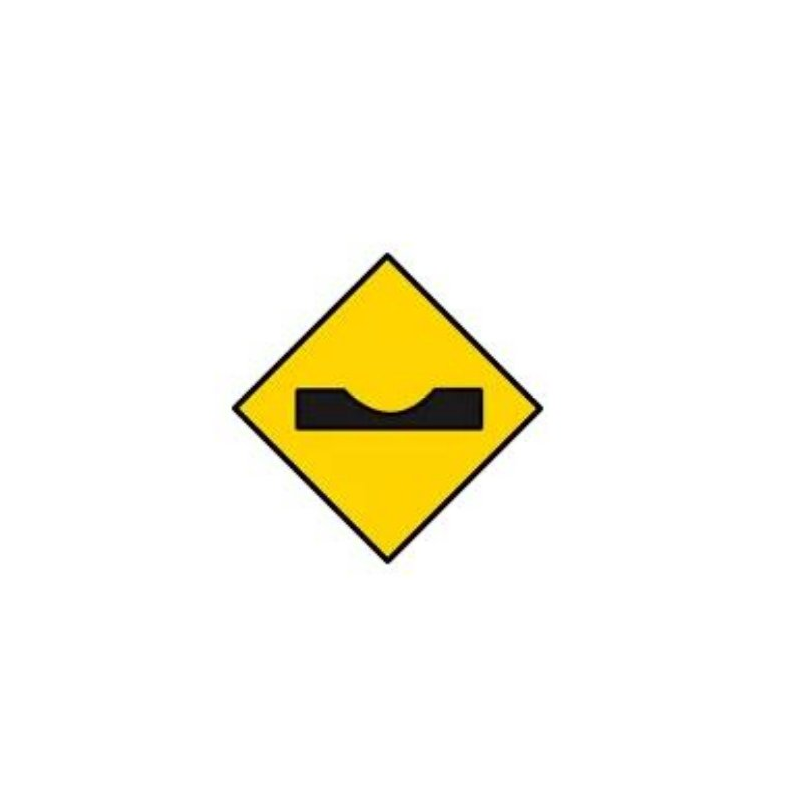
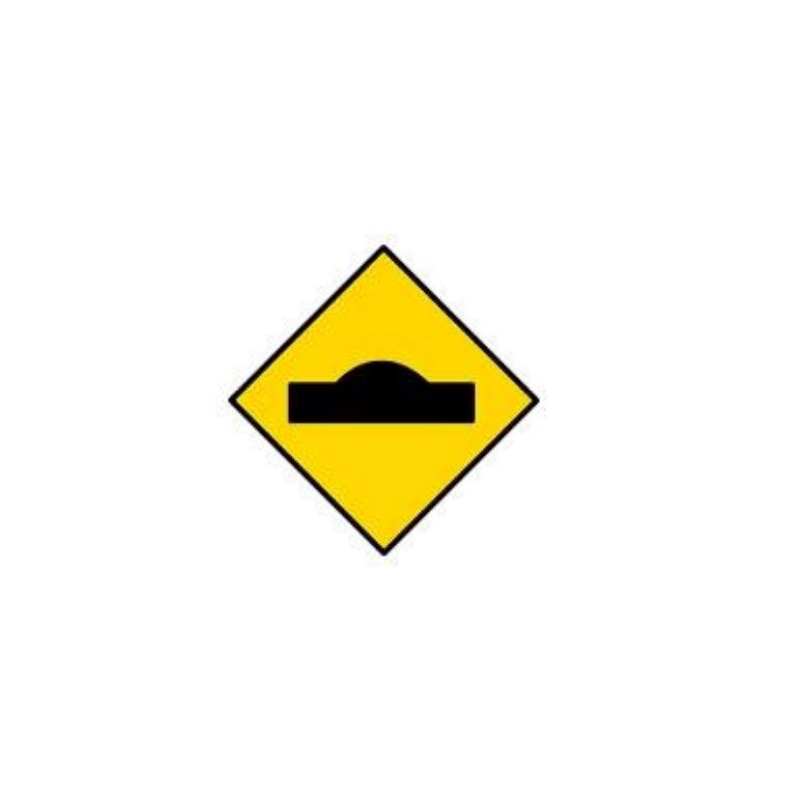
- Road Condition Warning Signs
- Pedestrian & Crossing Warning Signs
- Level Crossing Warning Signs
- Animal Warning Signs
- School & Children Warning Signs
- Tram Warning Signs
- Roadwork Warning & Information Signs
- Quick-Reference Table
- Theory Test Tips for Warning Signs
- Warning Signs on the RSA Driving Test
- Frequently Asked Questions
What Are Warning Signs?
Warning signs are one of the four main categories of road signs in Ireland. Their job is to alert you to a hazard or change in road conditions before you reach it, giving you time to adjust your speed, road position, and attention level. Unlike regulatory signs, warning signs do not in themselves impose a legal order — but they are part of a system that protects everyone on the road, and ignoring them puts you and others at serious risk.
Every warning sign in Ireland shares the same core design: a yellow background inside a black-bordered diamond shape (a square rotated 45 degrees). The black symbol inside the diamond tells you what the specific hazard is. This consistent design means you can spot a warning sign at a distance, even before you can read the symbol.
Shape, Colour & What to Do
Yellow Diamond — Warning| Feature | Detail |
|---|---|
| Shape | Diamond — a square rotated 45° to stand on one corner |
| Background colour | Yellow (standard permanent signs) or Orange (temporary roadwork signs) |
| Border & symbol | Black |
| Legal status | Advisory — warns of a hazard, does not impose a direct legal order |
| Required response | Check mirrors → reduce speed → increase observation → be prepared to stop |
Warning signs are placed far enough in advance of a hazard to give you time to react. The exact distance varies depending on the road type and speed limit — on a high-speed road you may see a warning sign several hundred metres before the hazard. On a low-speed urban road the distance may be shorter.
Ready to put road signs into practice?
Book your EDT lessons with BP Driving School — RSA-approved, Swords, North Dublin.
Junction Warning Signs
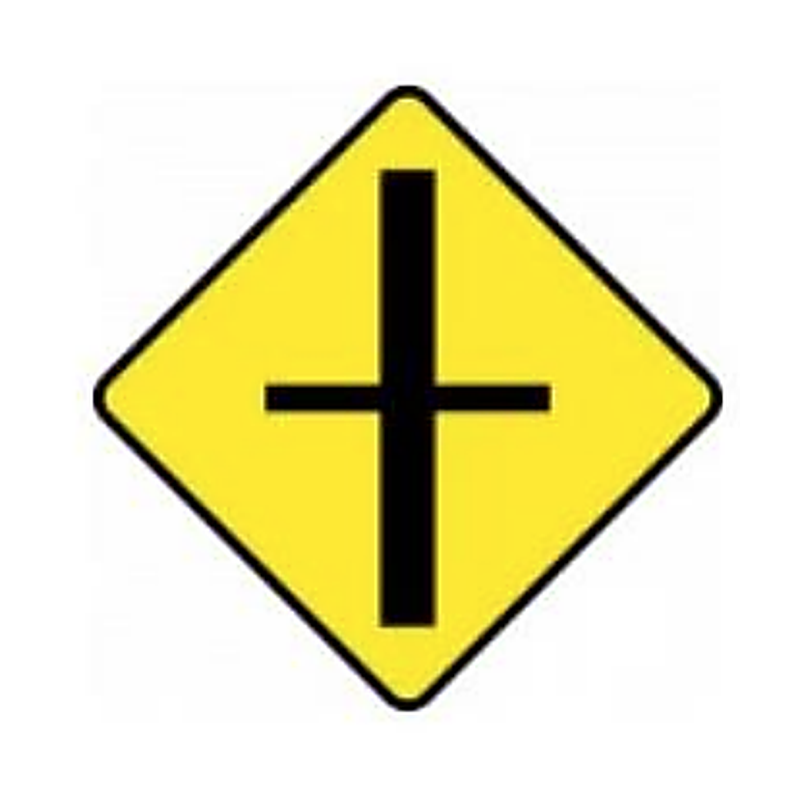
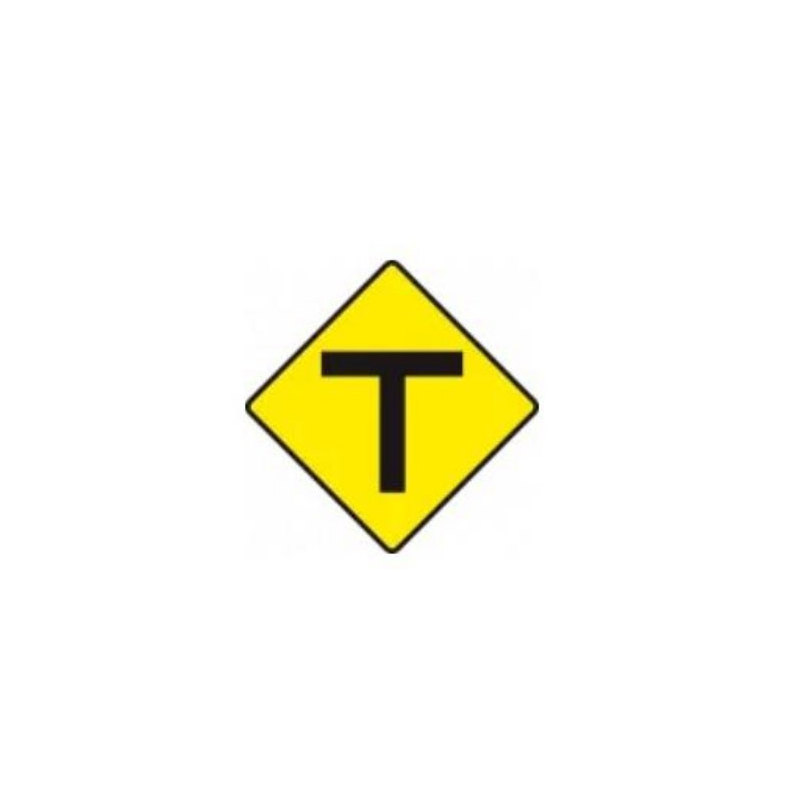
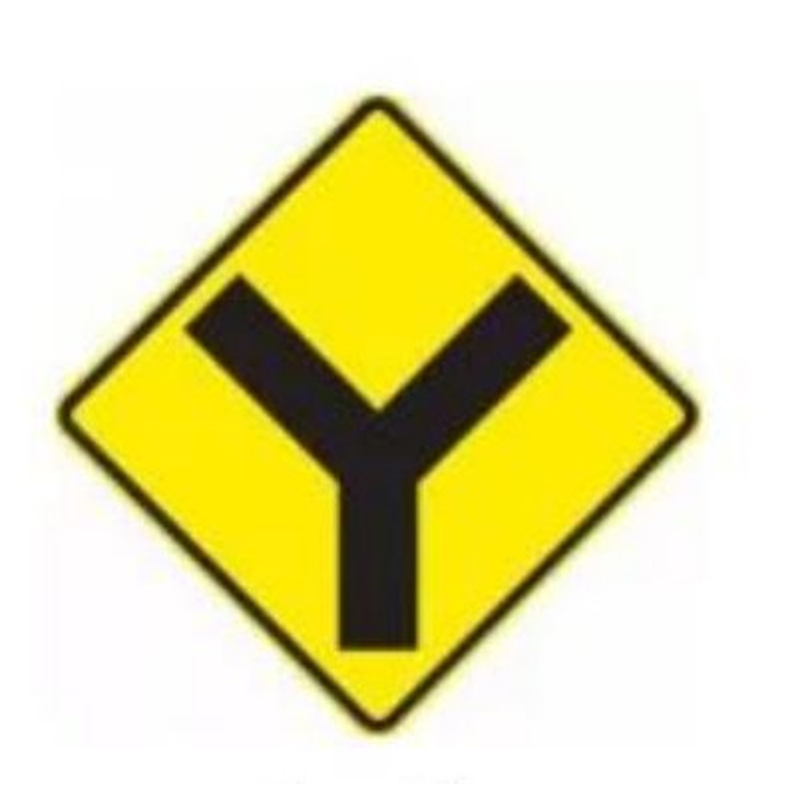
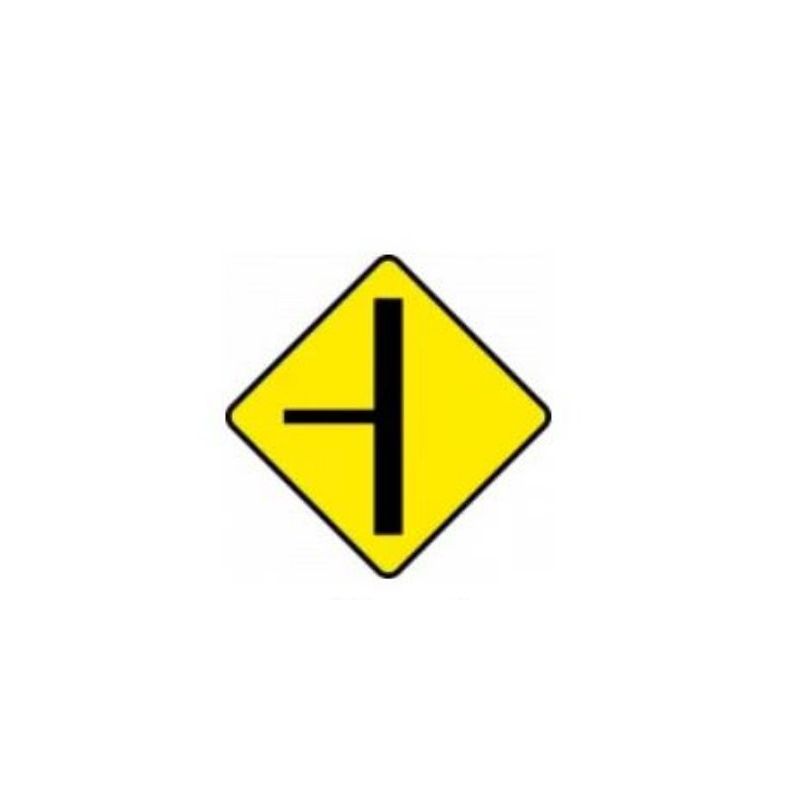
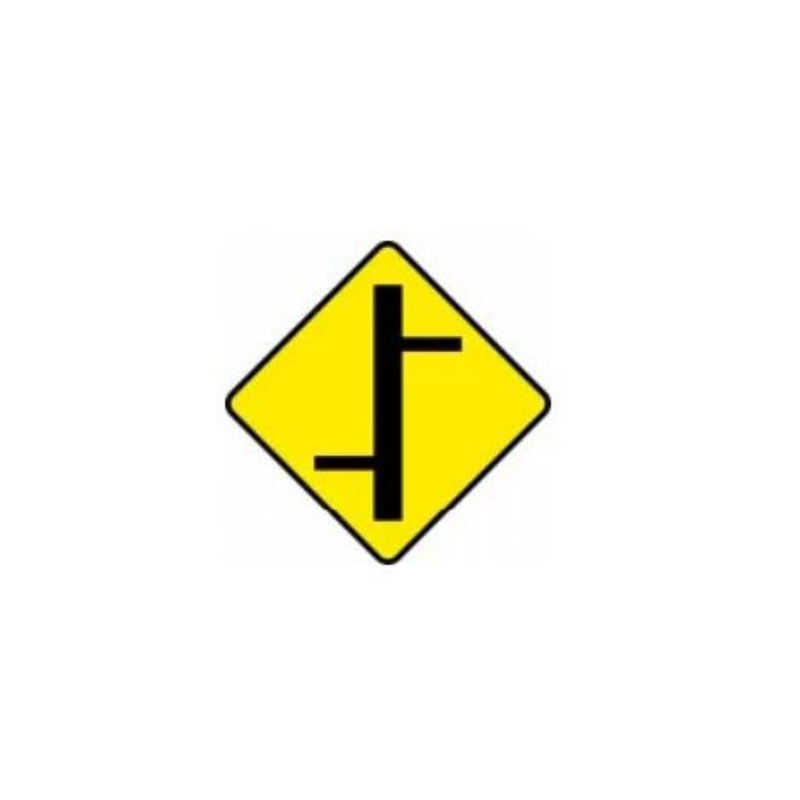
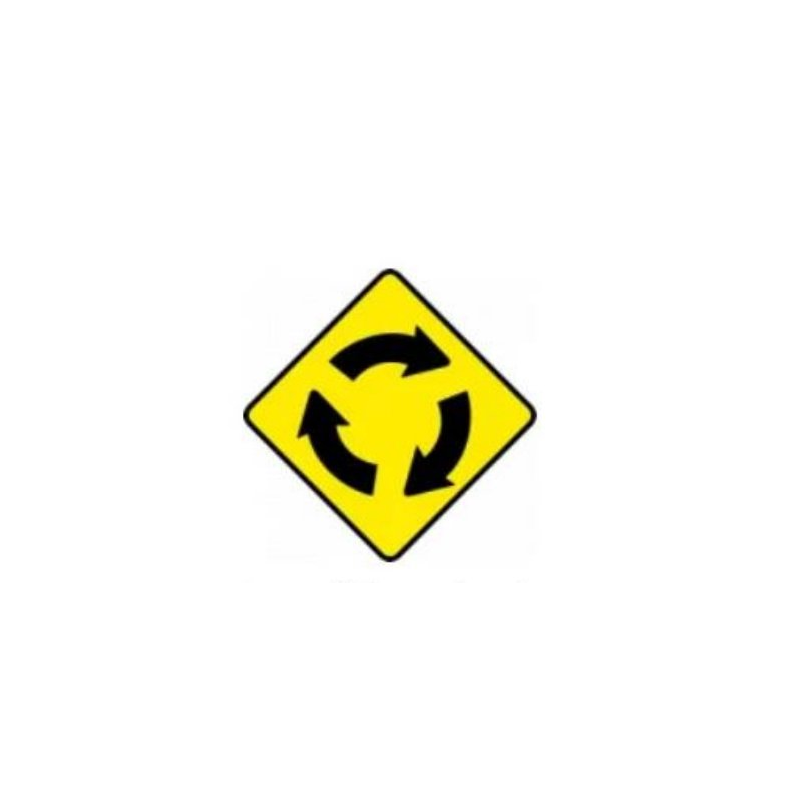
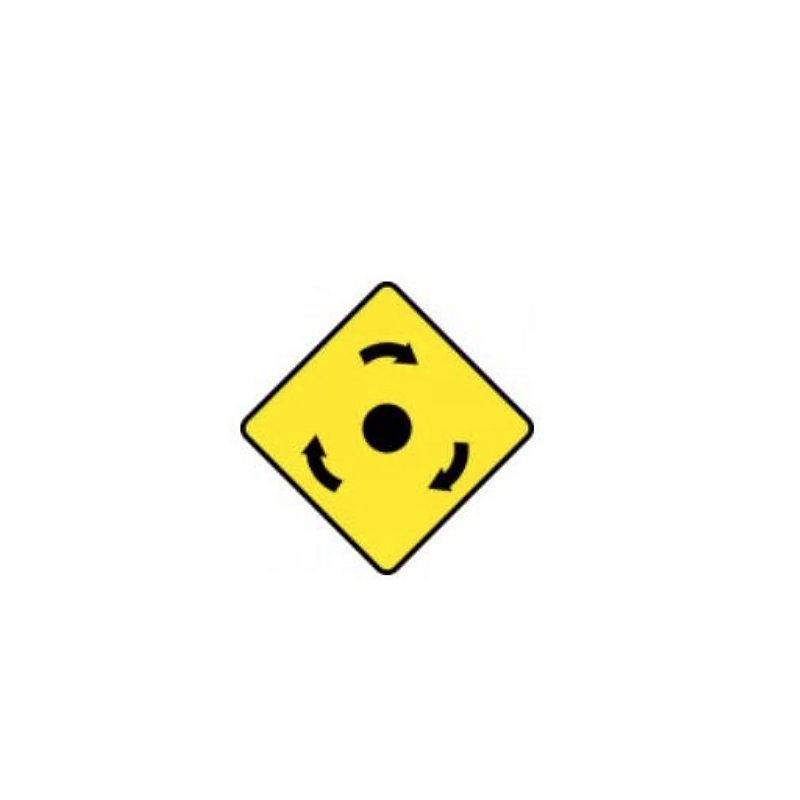
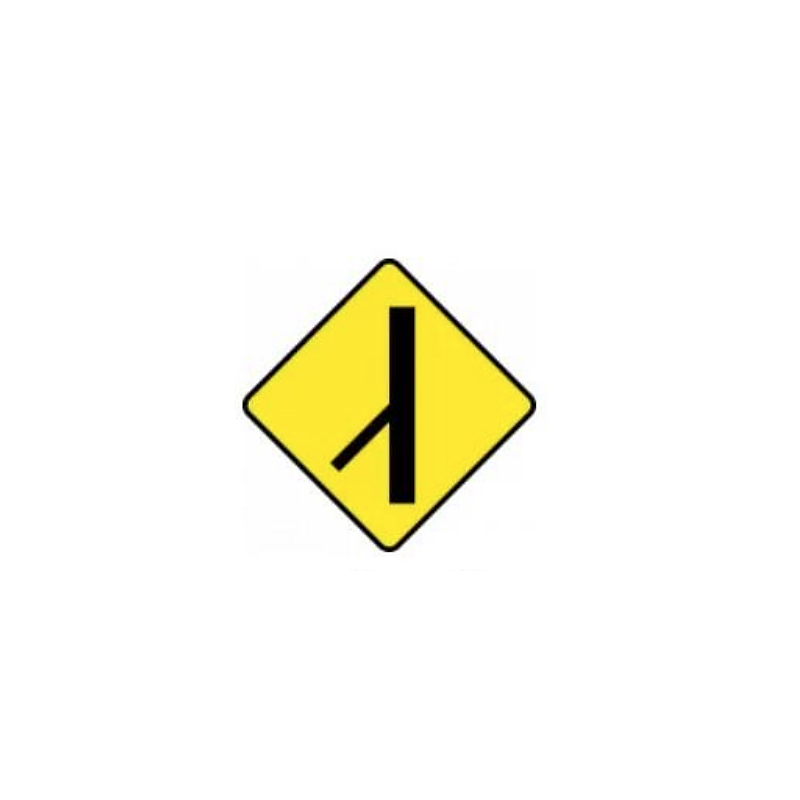
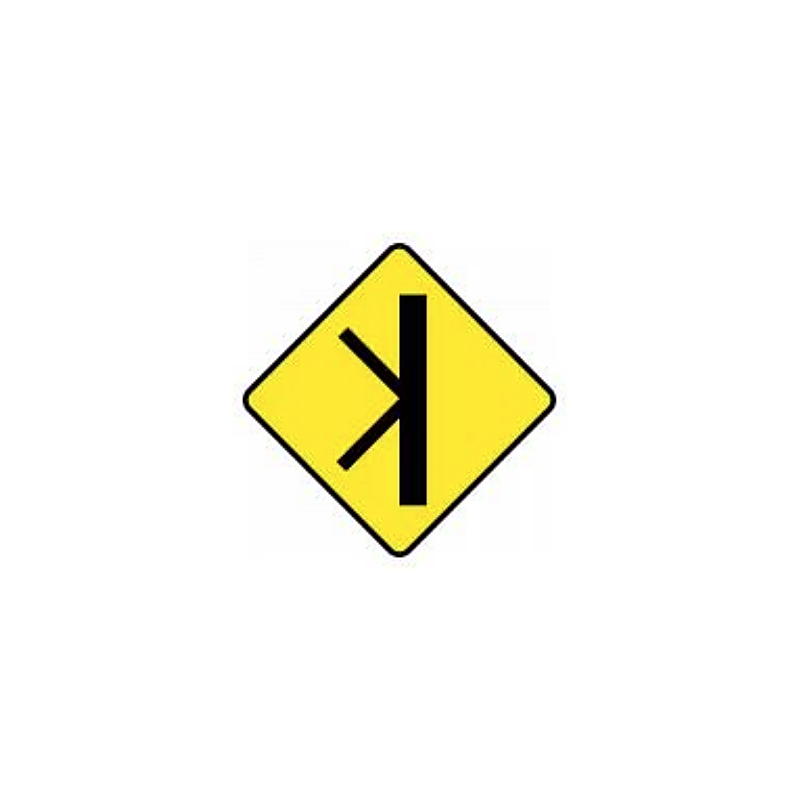
Junction warning signs tell you what type of junction is coming up so you can prepare well in advance. They give you time to choose the correct lane, check for side-road traffic, reduce speed appropriately, and apply the MSMM (Mirror–Signal–Mirror–Manoeuvre) routine before you reach the junction itself.
Bend & Corner Warning Signs
Bend and corner warning signs are some of the most important on rural roads. They alert you to a change in the road direction that may not be visible until you are already in it. These signs are particularly critical on country roads with high hedges or stone walls that can completely obscure what is ahead.
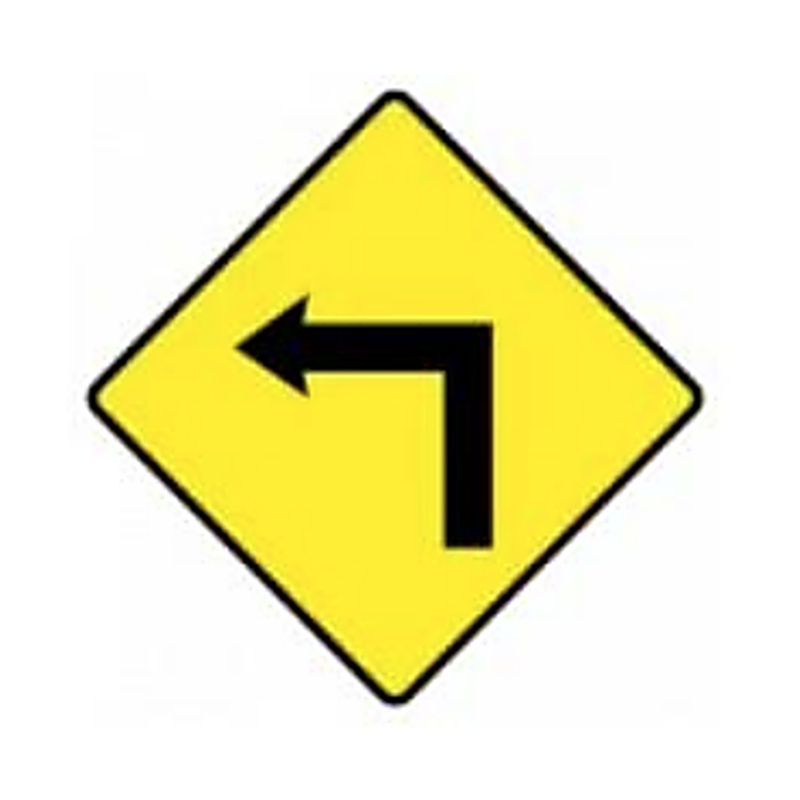
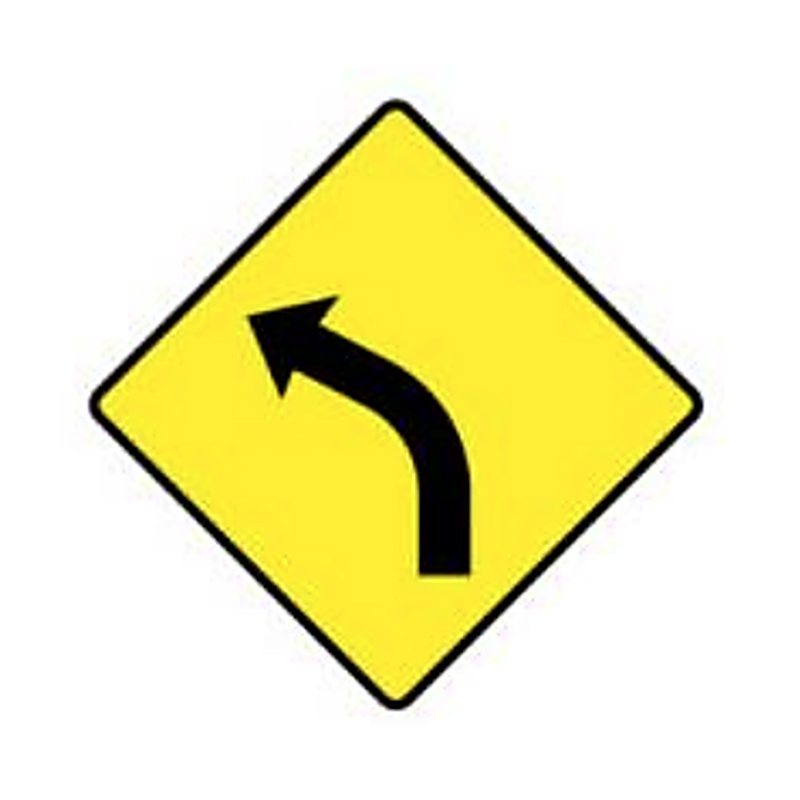
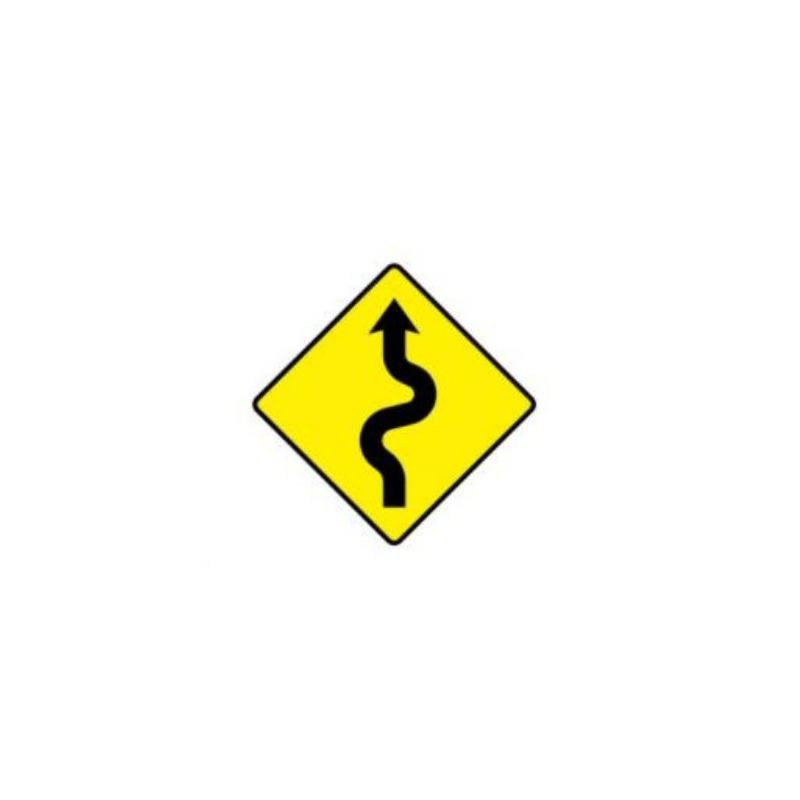
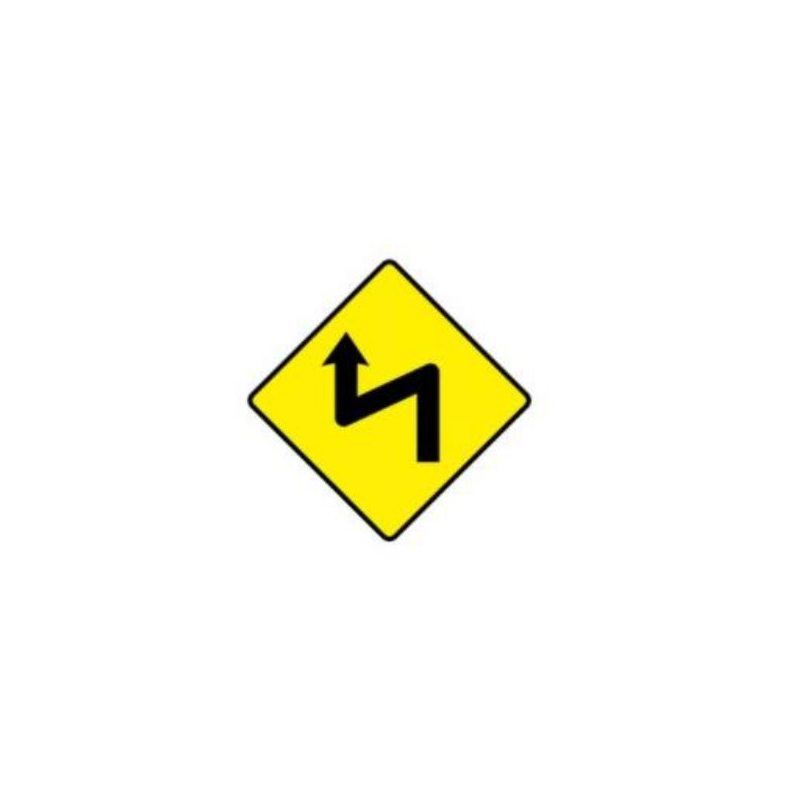
- A Dangerous Corner sign shows an arrow making a near right-angle turn. The road changes direction abruptly — like the corner of a room.
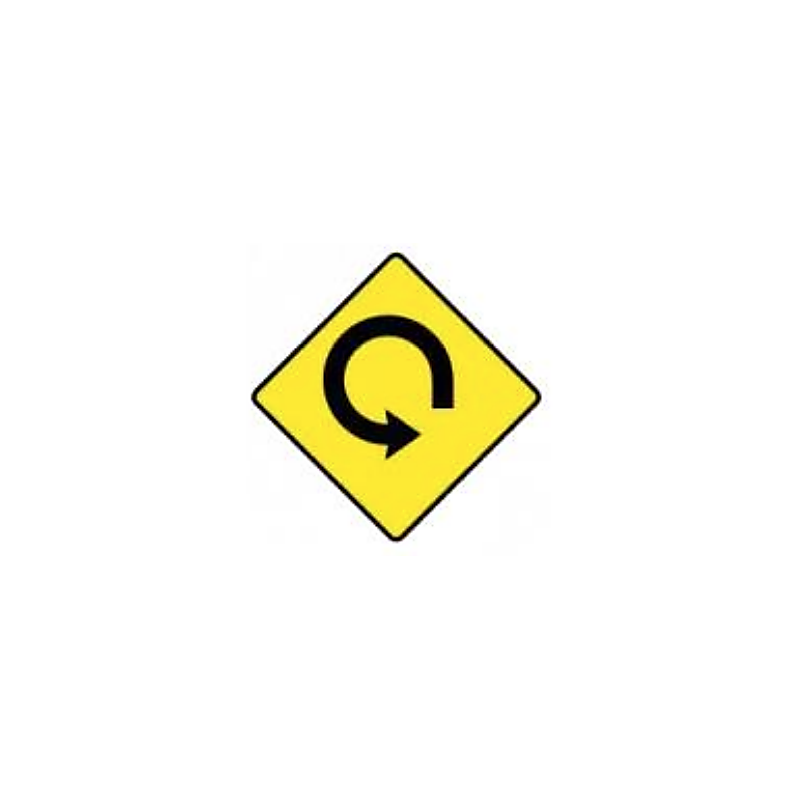
- A Dangerous Bend sign shows a curved arrow. The road curves steeply but continuously, like the inside of a bowl.
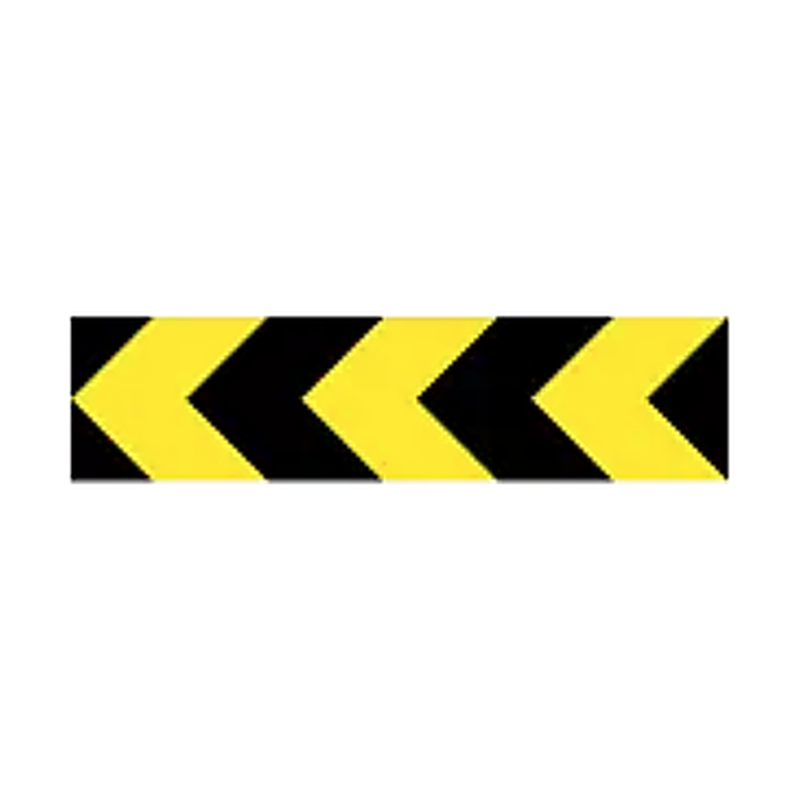
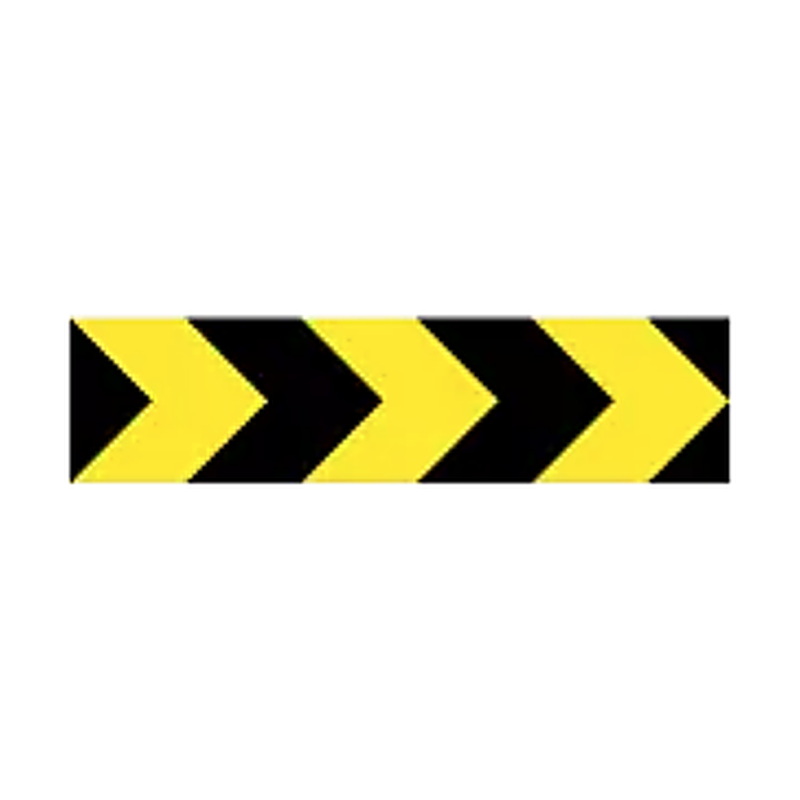
- A Series of Dangerous Bends or Corners sign means multiple such hazards follow one after another — reduce your speed and hold it low through the entire section.
On approaching any bend or corner warning sign, reduce speed before you reach the bend — not while you are in it. Braking mid-corner can cause a vehicle to skid, particularly in wet conditions. Enter the bend slowly, and if it is safe and you can see clearly, gently accelerate through and out the other side.
Road Condition Warning Signs
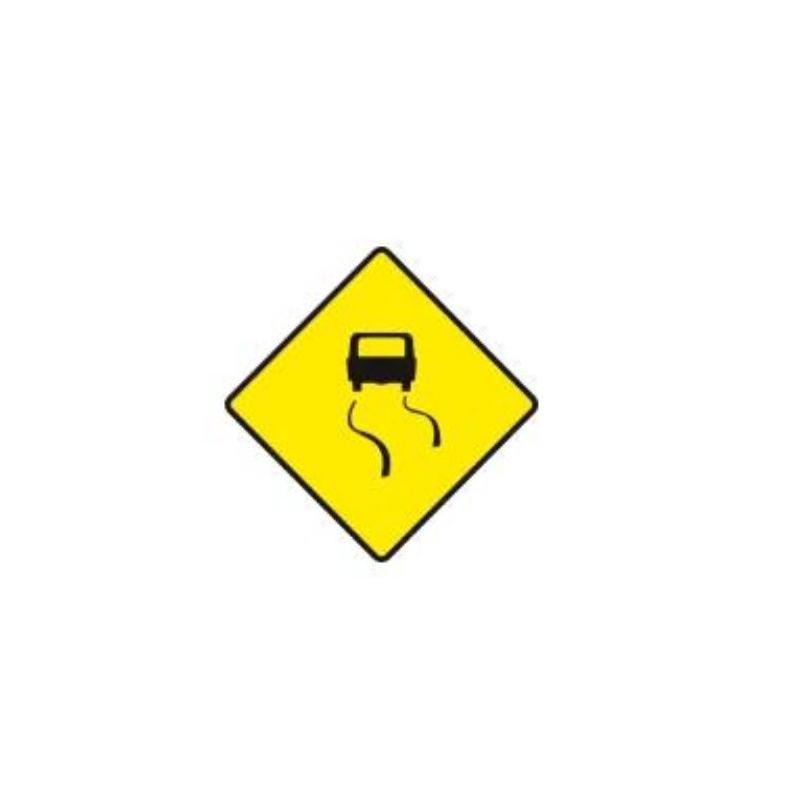
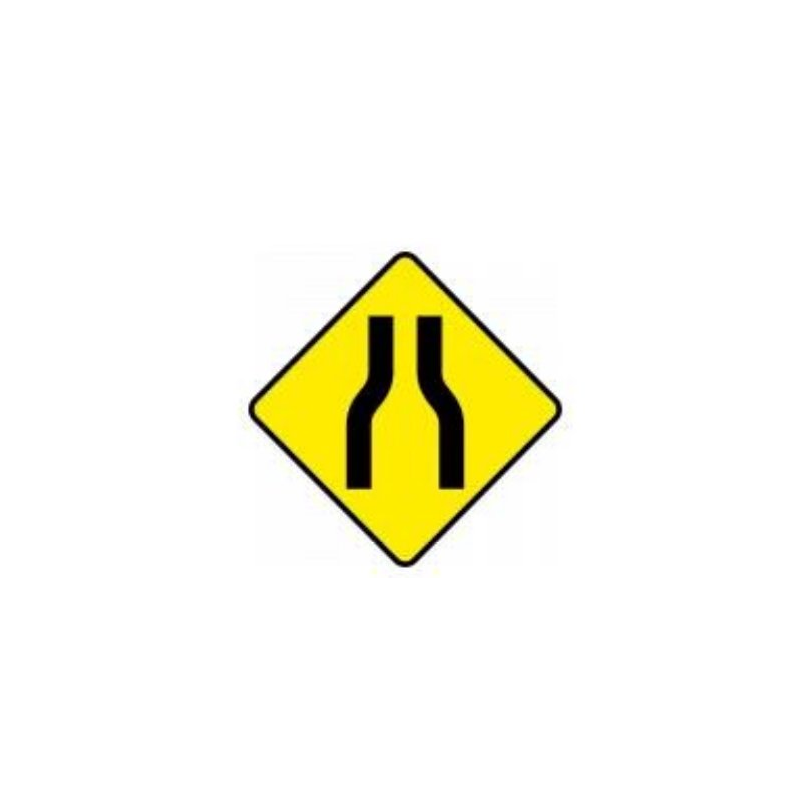
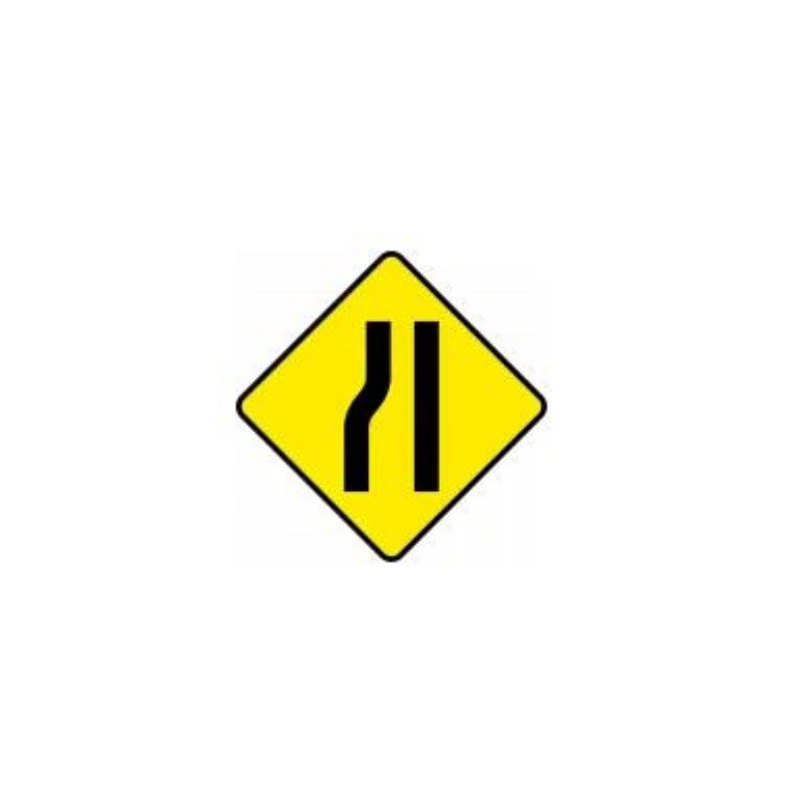
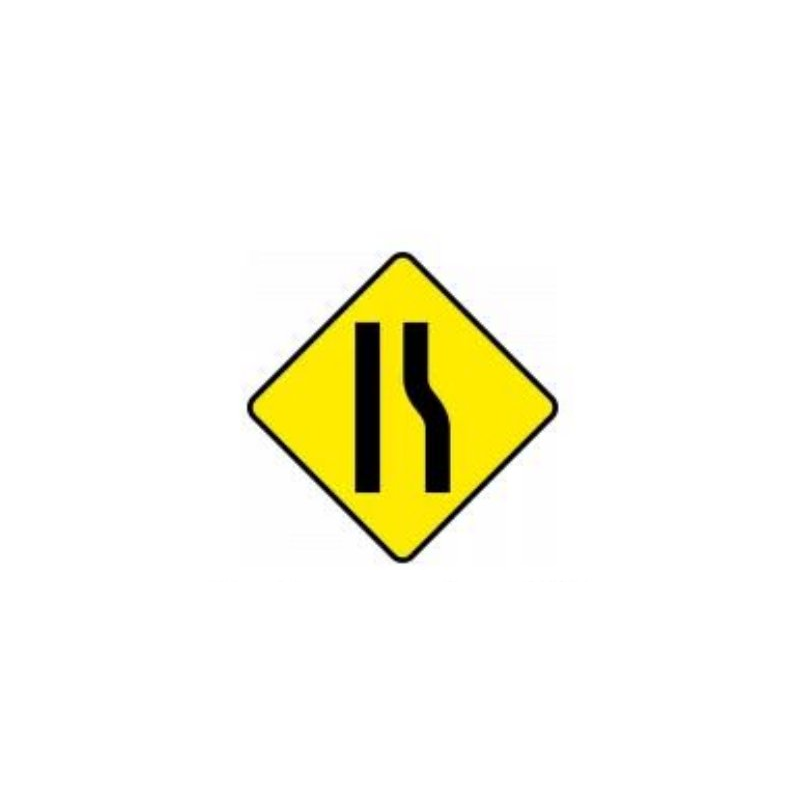
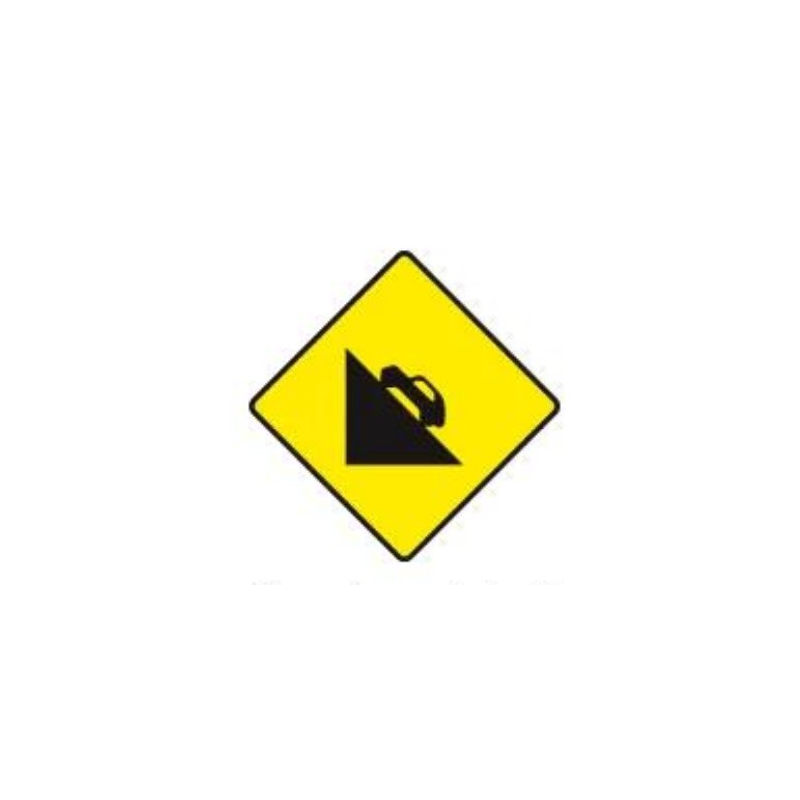
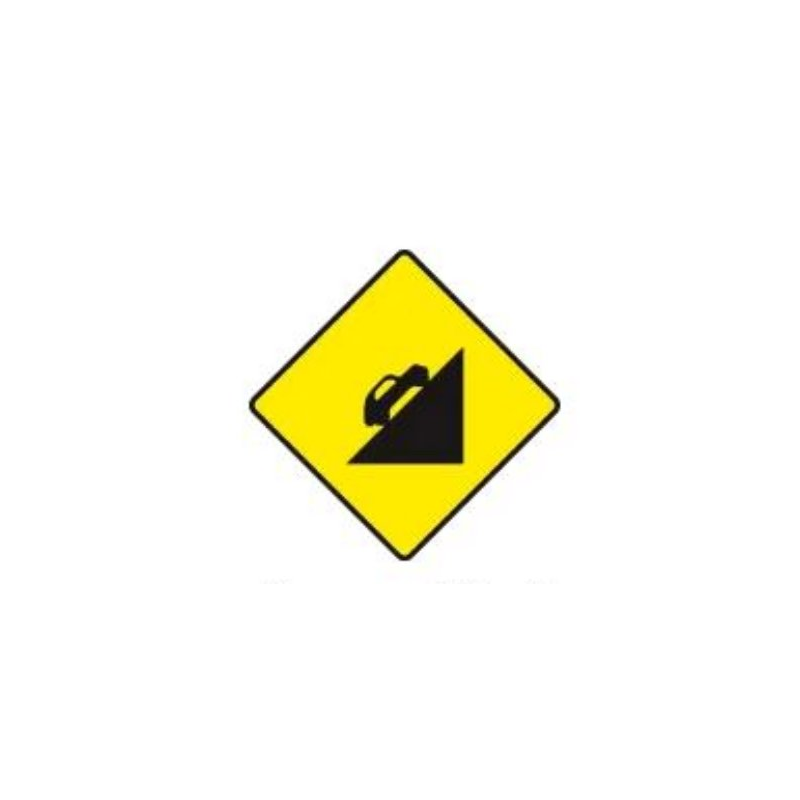
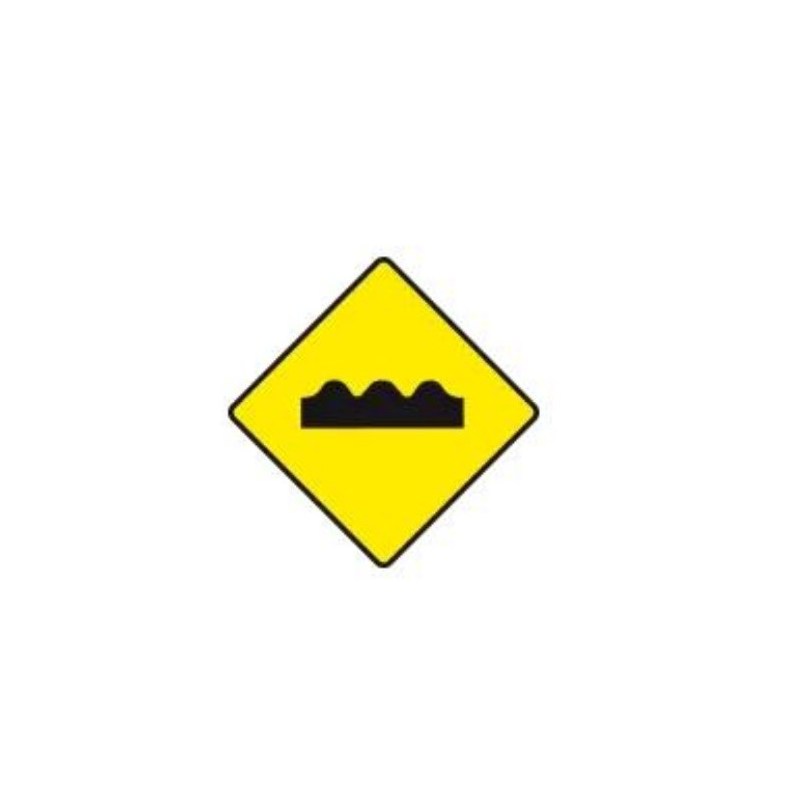
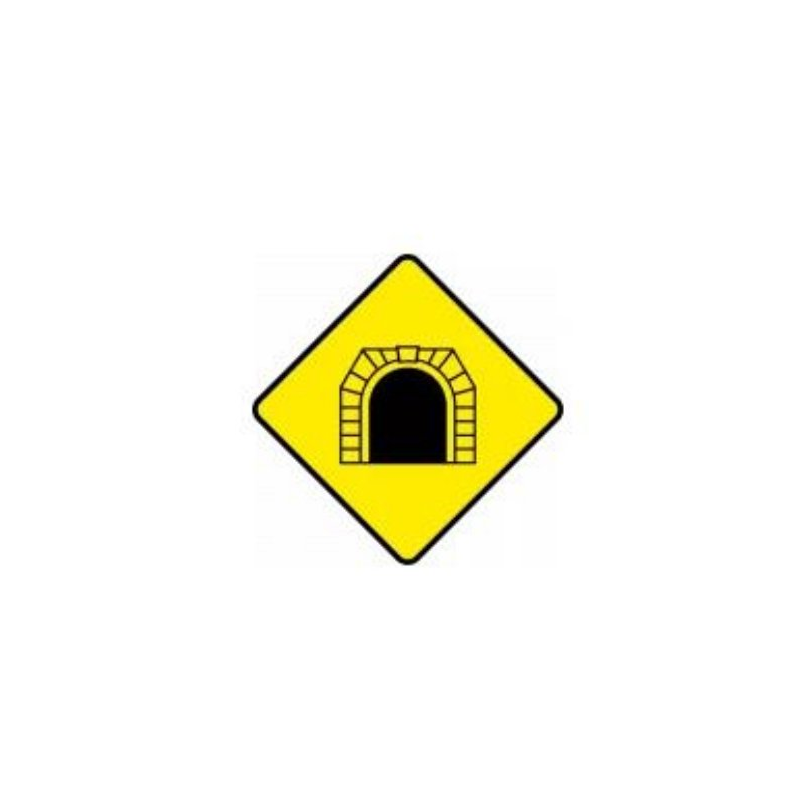
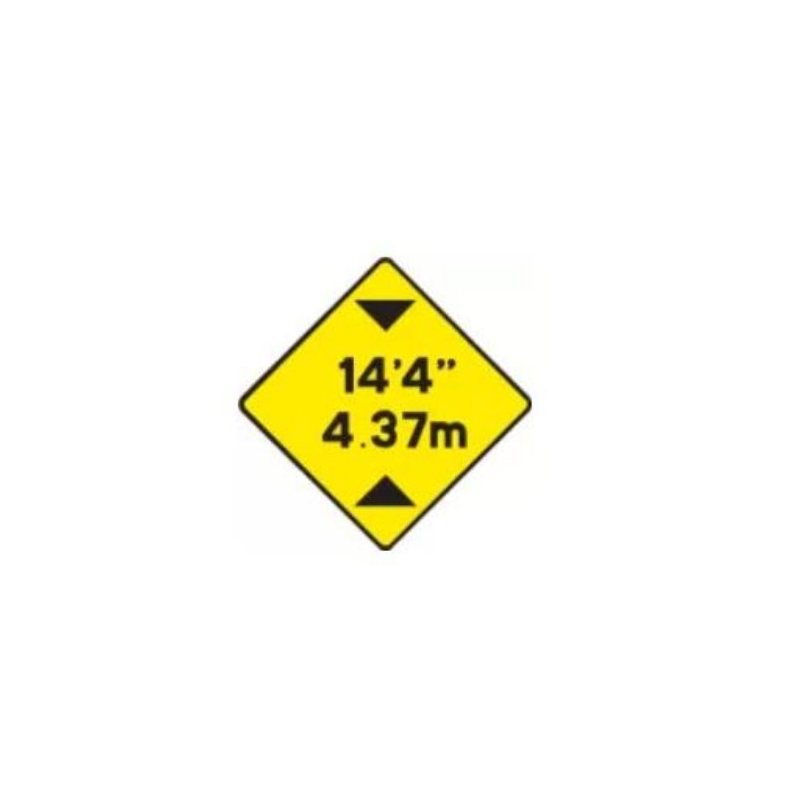
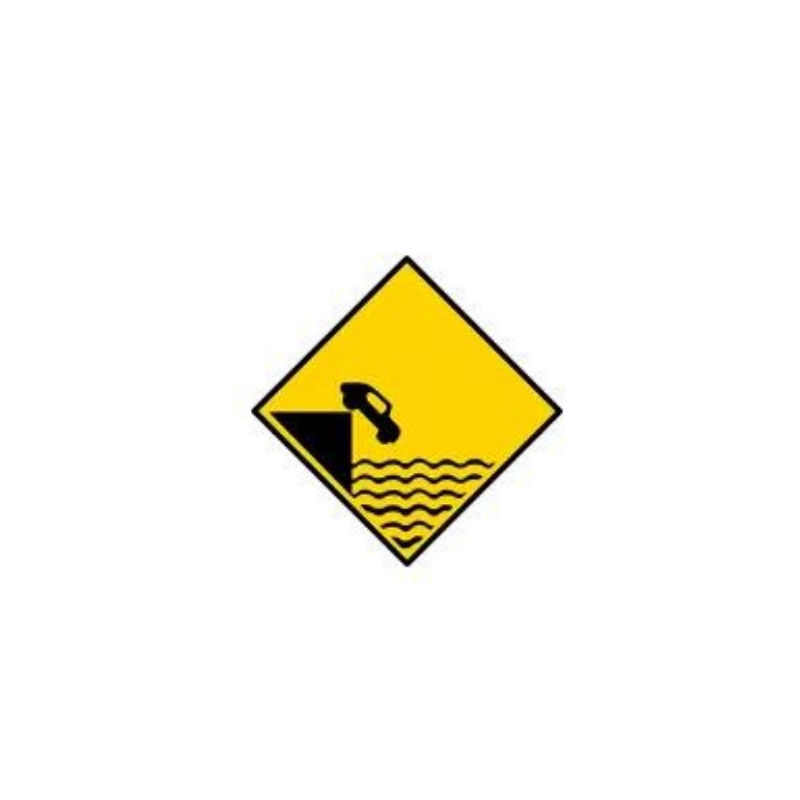
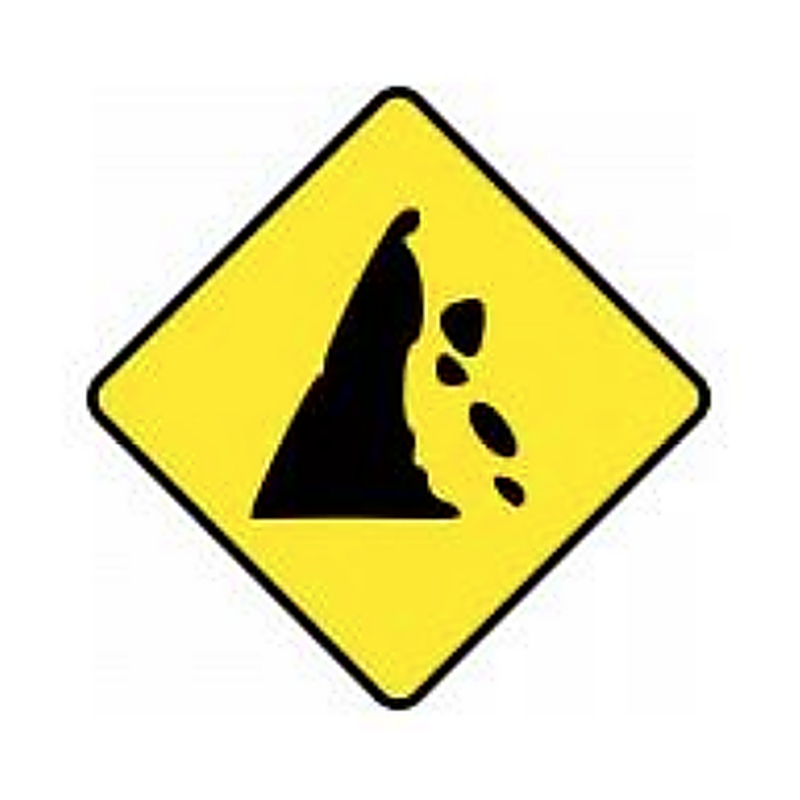
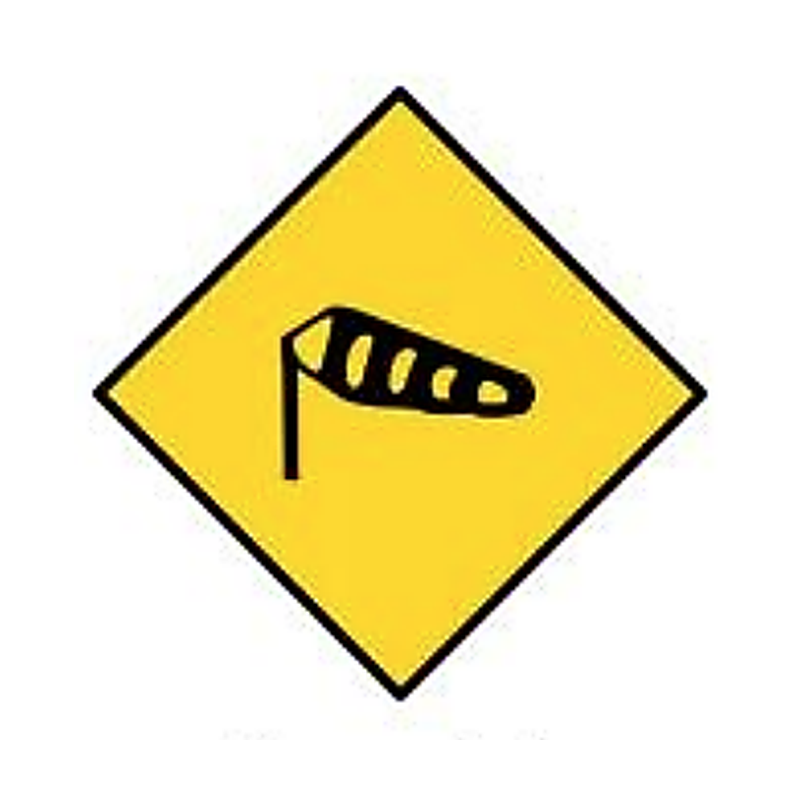
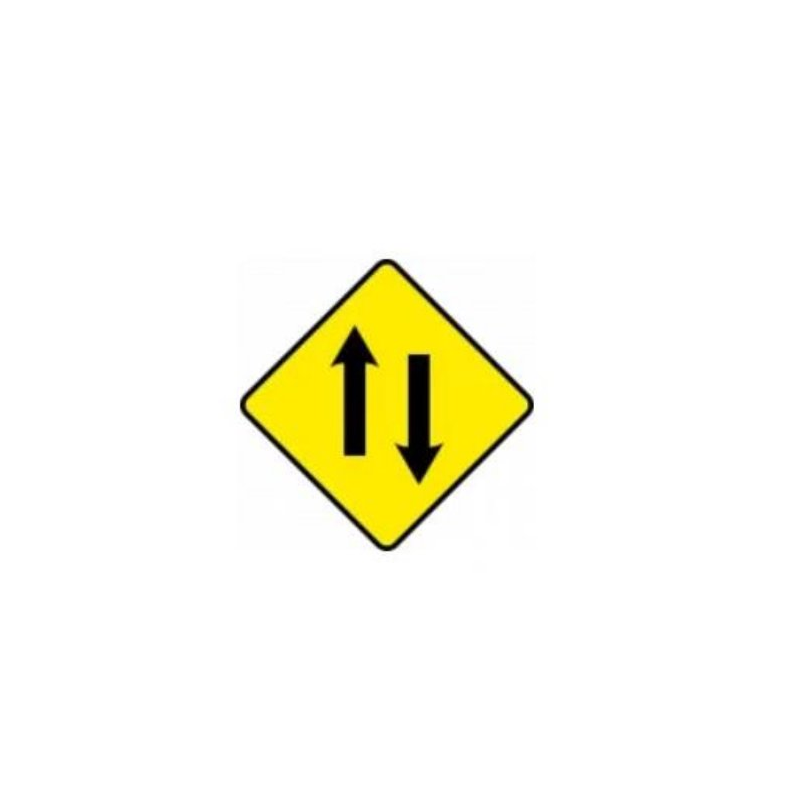
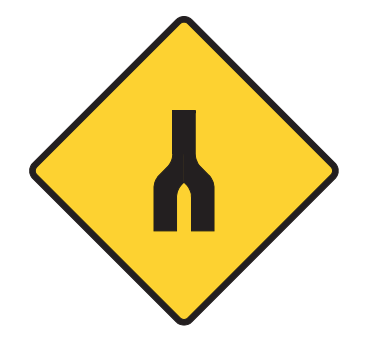
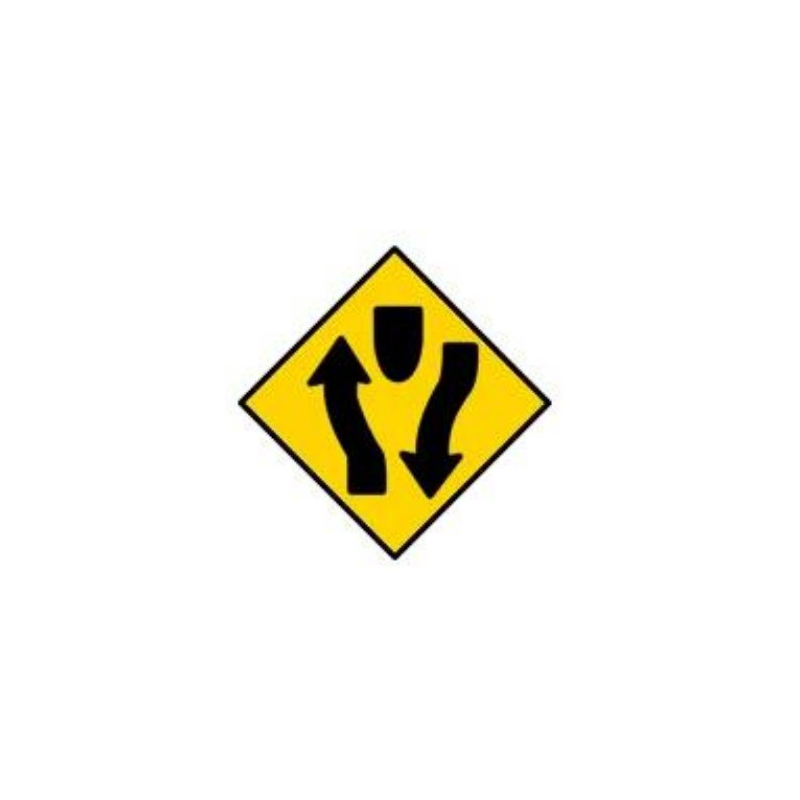
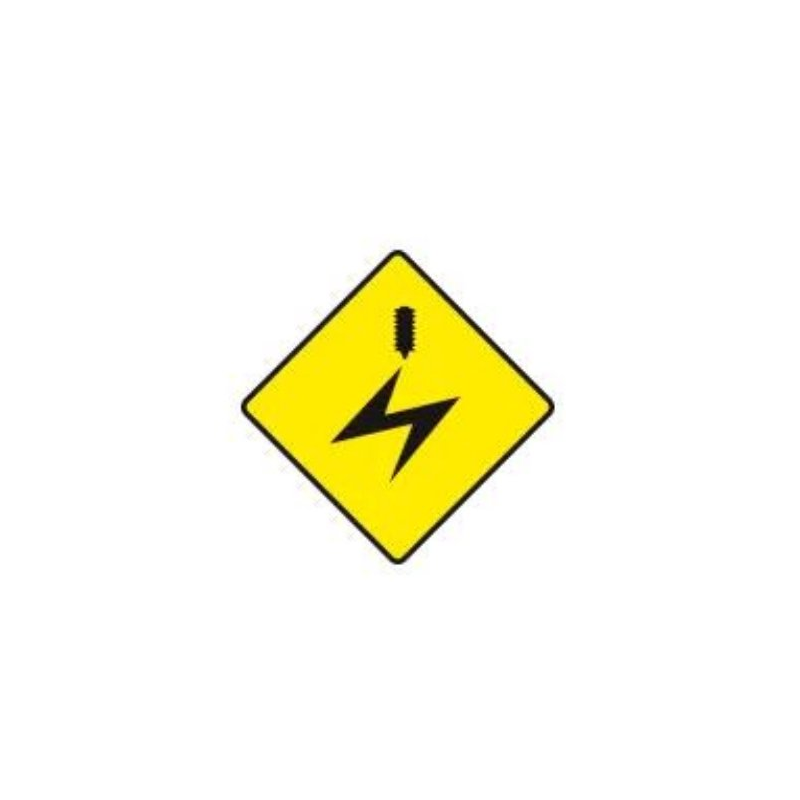
Road condition warning signs alert you to changes in the road surface, road width, or road geometry that may affect your ability to control the vehicle safely.
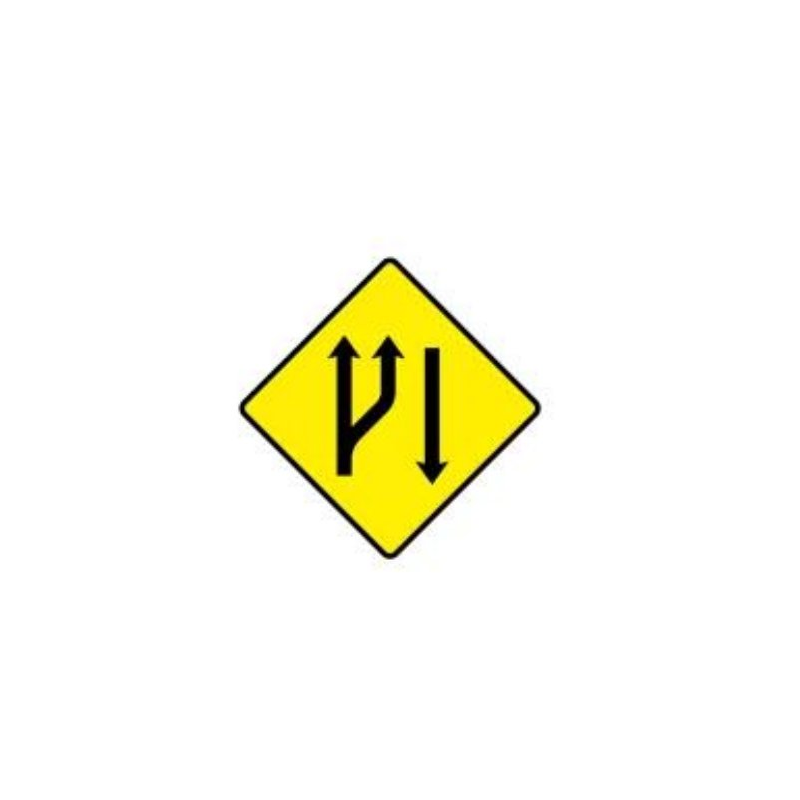
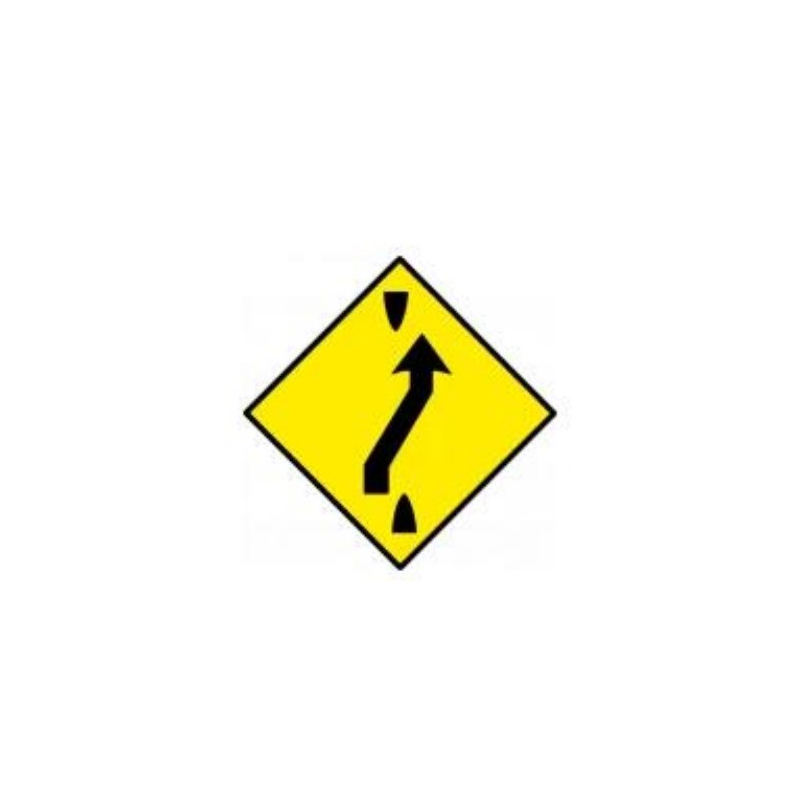
Lane Change Warning Signs
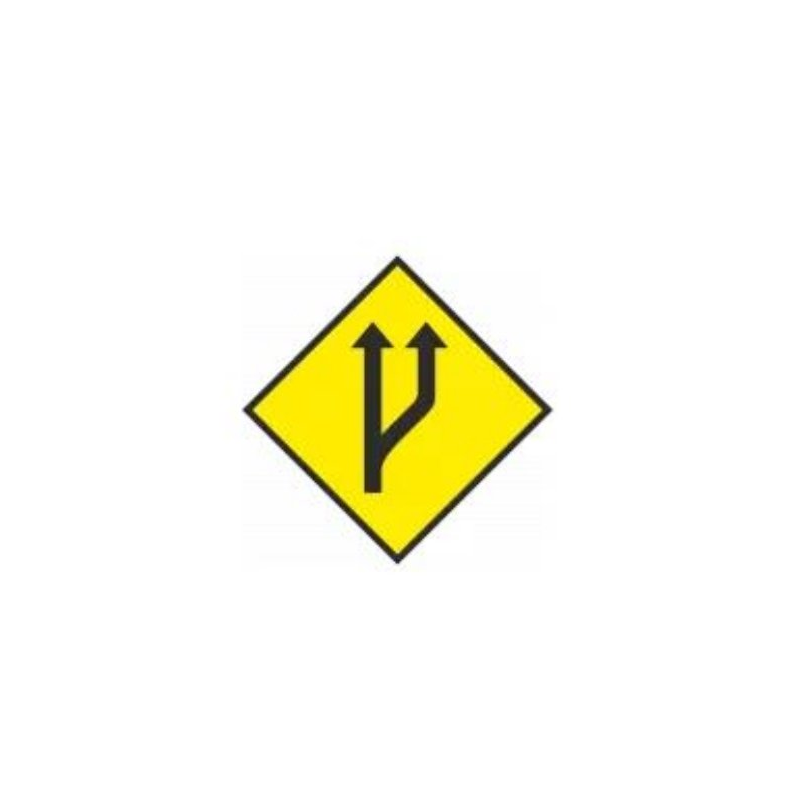
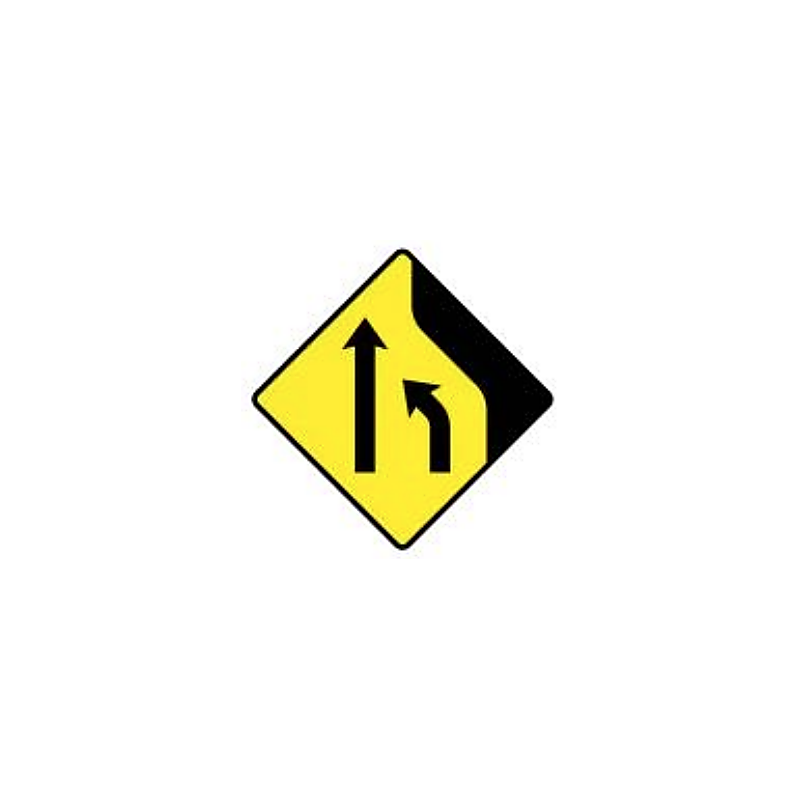
These signs warn of changes to lane availability ahead — for example where a lane begins or ends, or where passing opportunities exist.
Pedestrian & Crossing Warning Signs
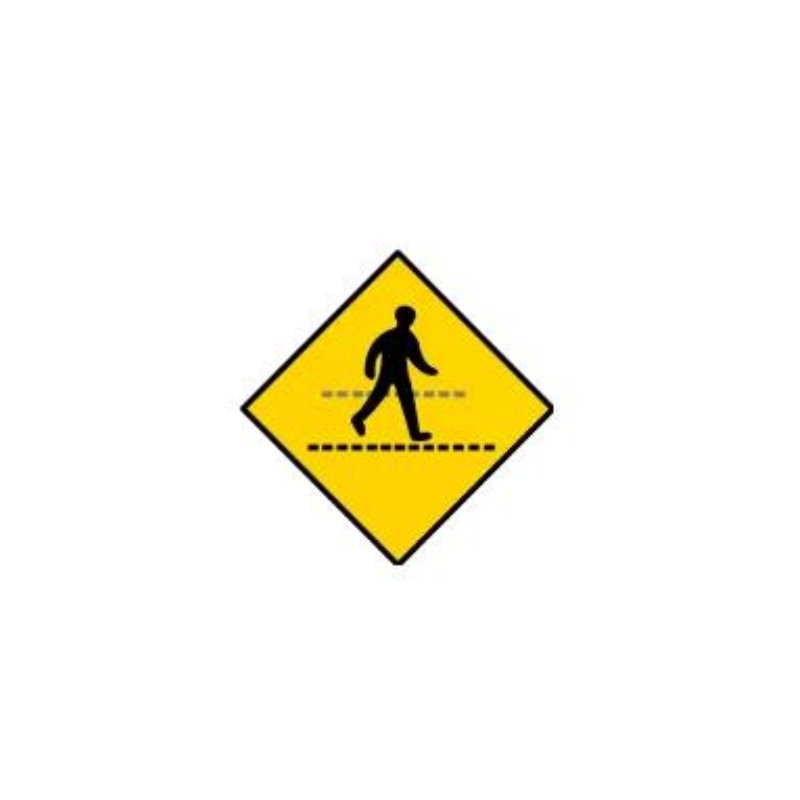
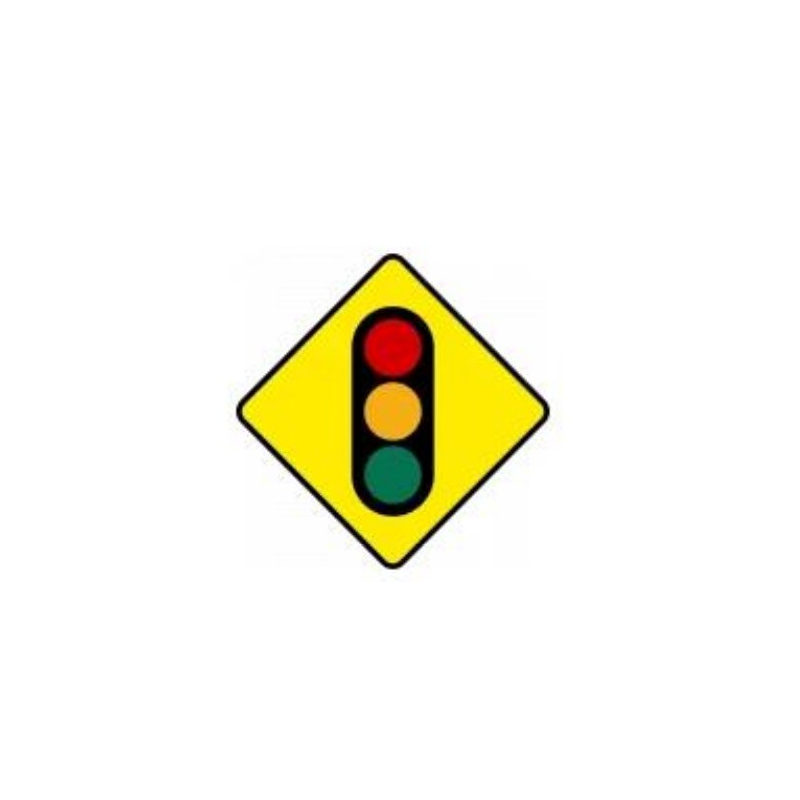
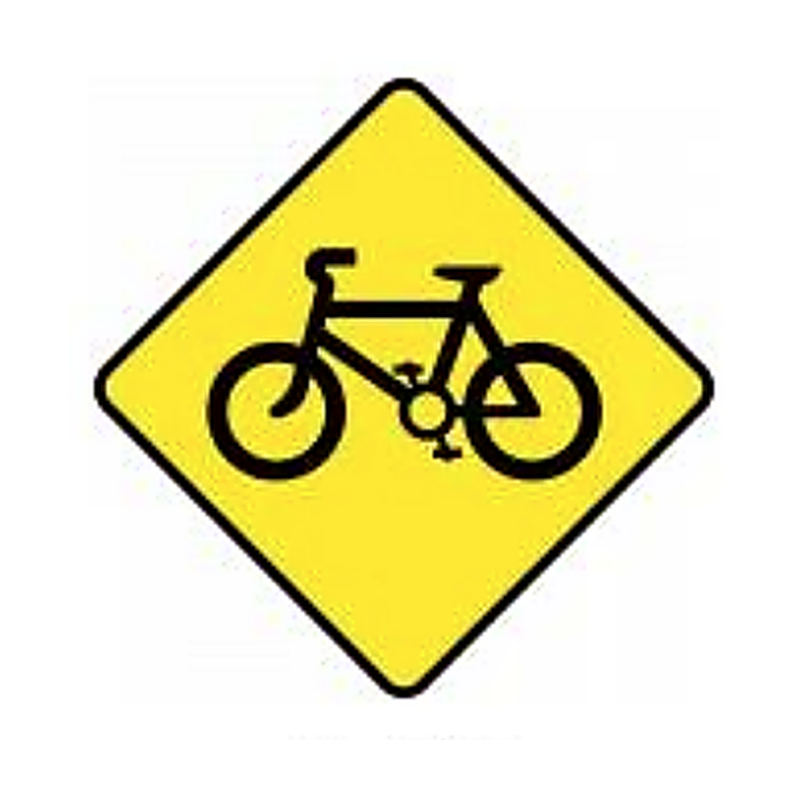
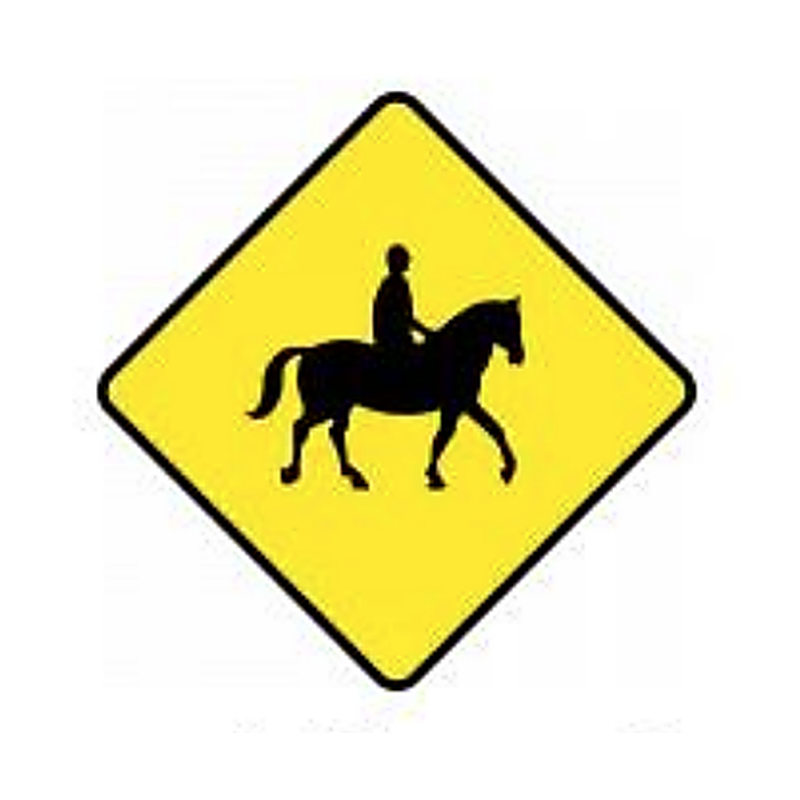
These signs warn that pedestrians or cyclists may be crossing or using the road ahead. Particular care is needed because pedestrians — especially children and older people — may cross unexpectedly.
Level Crossing Warning Signs
Level crossings are points where the road crosses a railway line. They carry a significant collision risk because trains cannot stop quickly and may not be visible until they are very close. There are three types of level crossing in Ireland, each with its own set of warning signs.
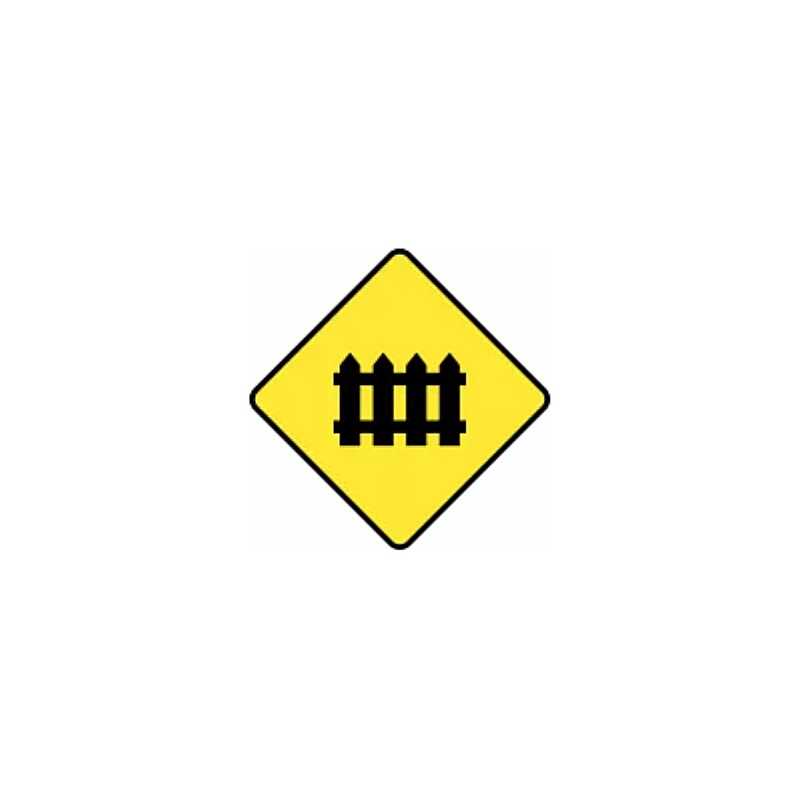
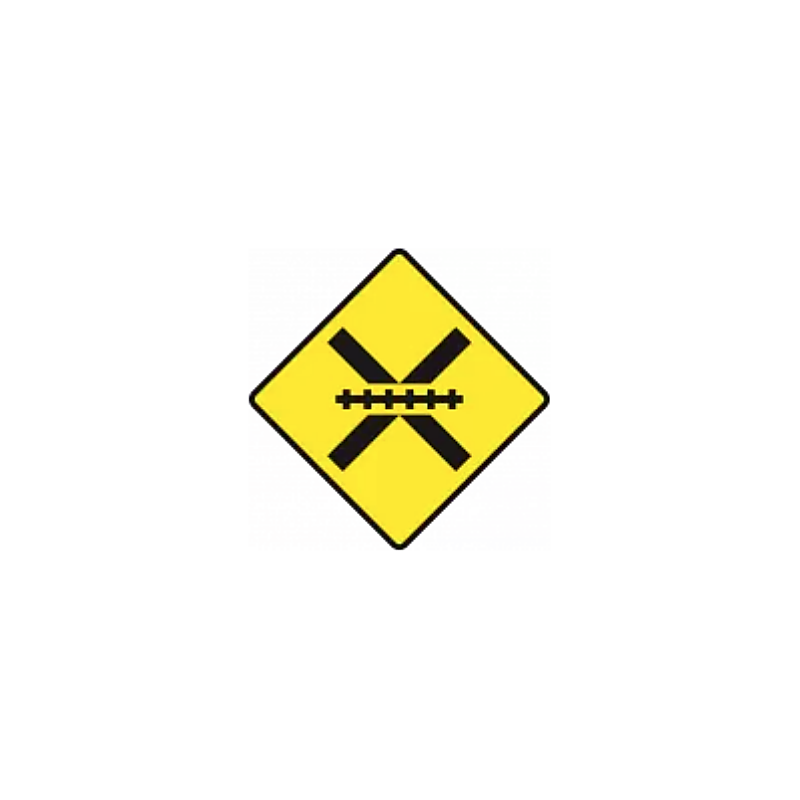
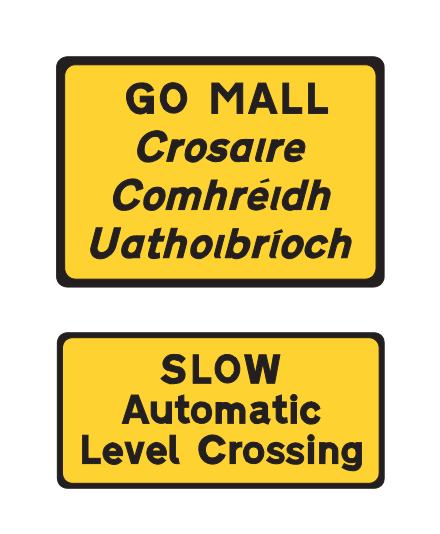
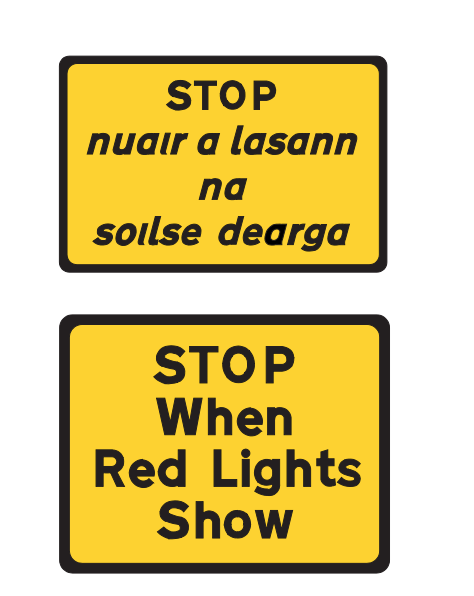
- At a guarded level crossing, stop when the red lights flash or the barrier begins to lower. Never attempt to drive around a lowered barrier.
- At an unguarded level crossing, stop, look both ways, and only cross when you are certain no train is approaching from either direction. A train may be travelling at high speed and may not sound its horn.
- Never stop on a level crossing. If your vehicle breaks down on a crossing, get all passengers out immediately and move away from the track before calling the emergency number shown on the crossing.
- Never cross a level crossing if the exit road is blocked — you could be stranded on the tracks.
Learning to drive in North Dublin?
BP Driving School covers Swords, Malahide, Portmarnock, Santry, Raheny and surrounding areas.
Animal Warning Signs
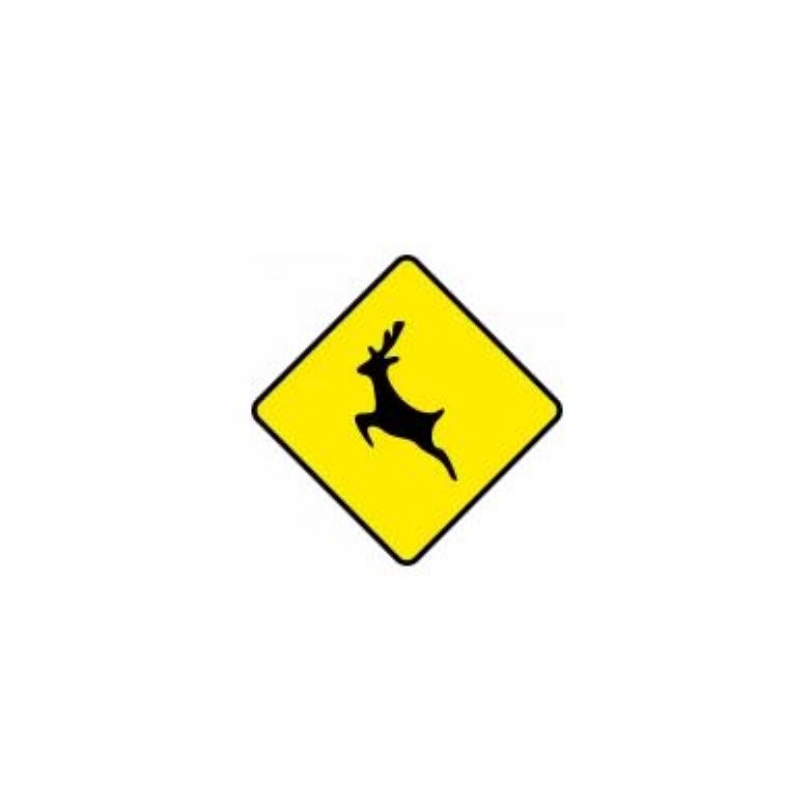
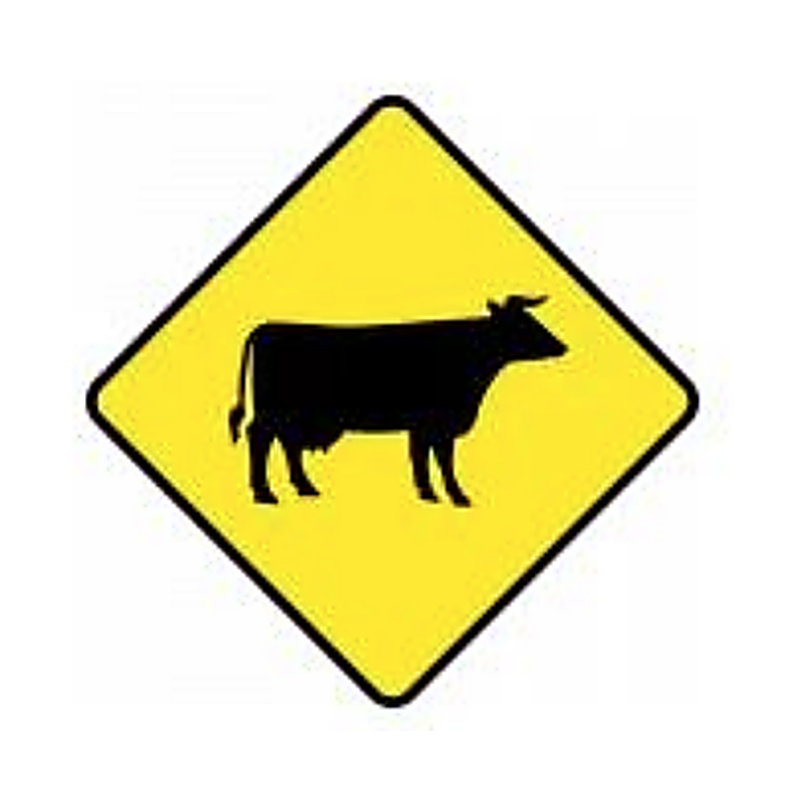
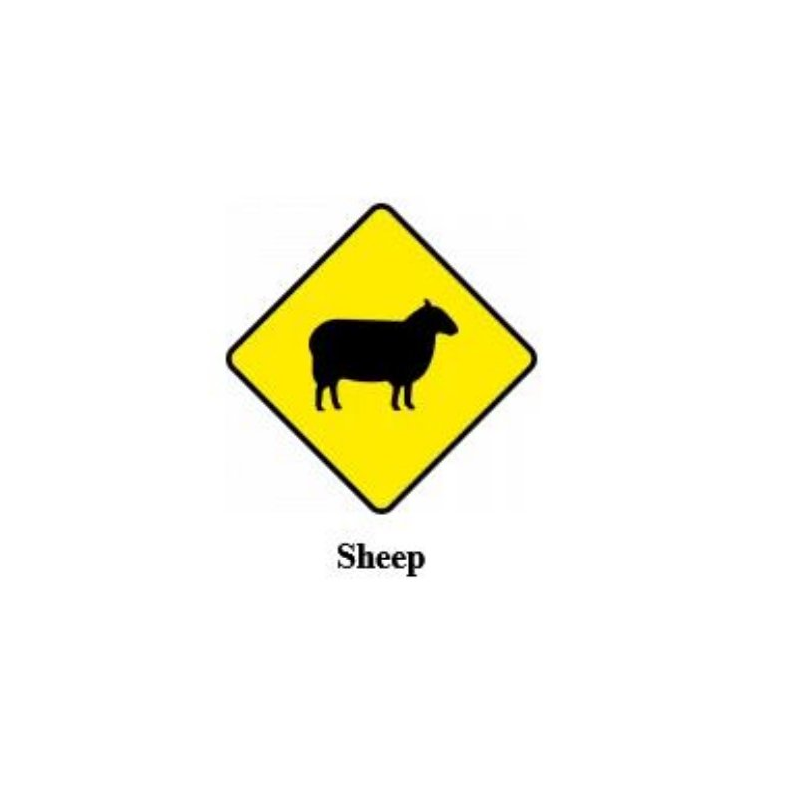
Animal warning signs are particularly common on rural roads across Ireland. They indicate areas where animals regularly cross or graze near the road. When you see an animal sign, scan the verges and fields on both sides — animals can move onto the road very quickly and without warning.
School & Children Warning Signs
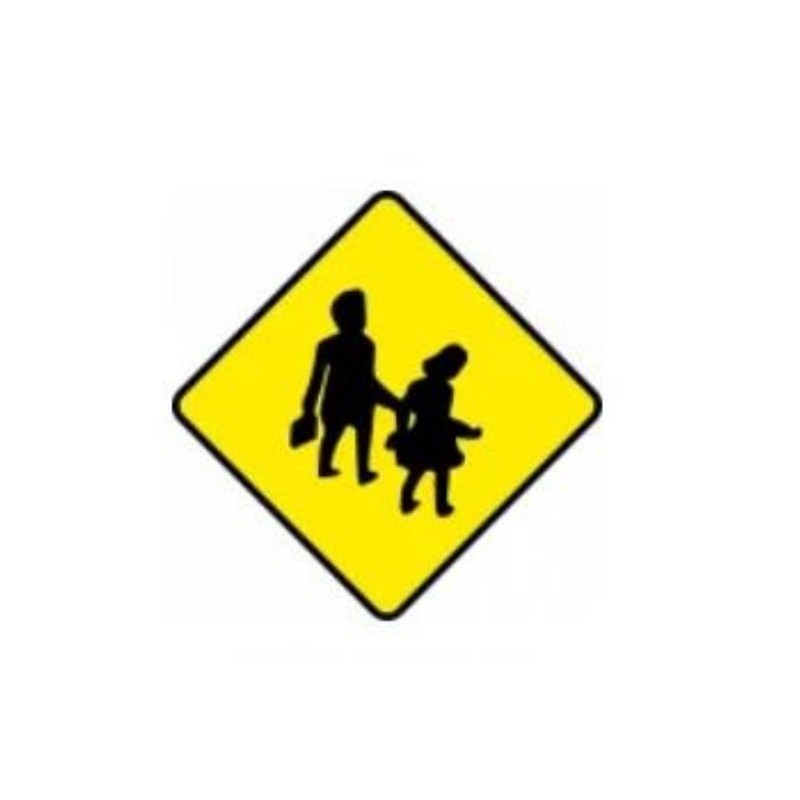
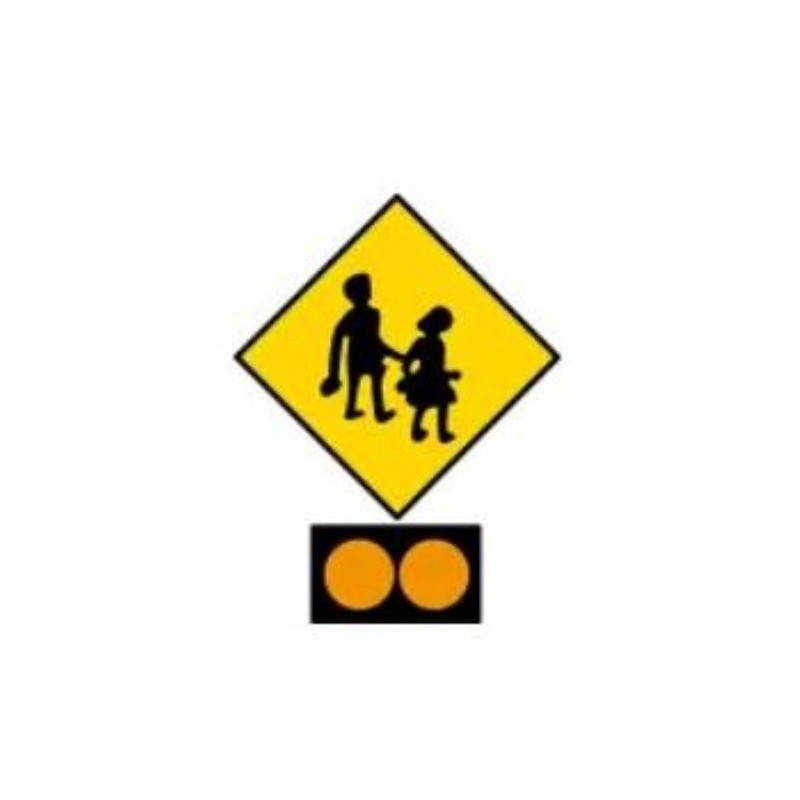
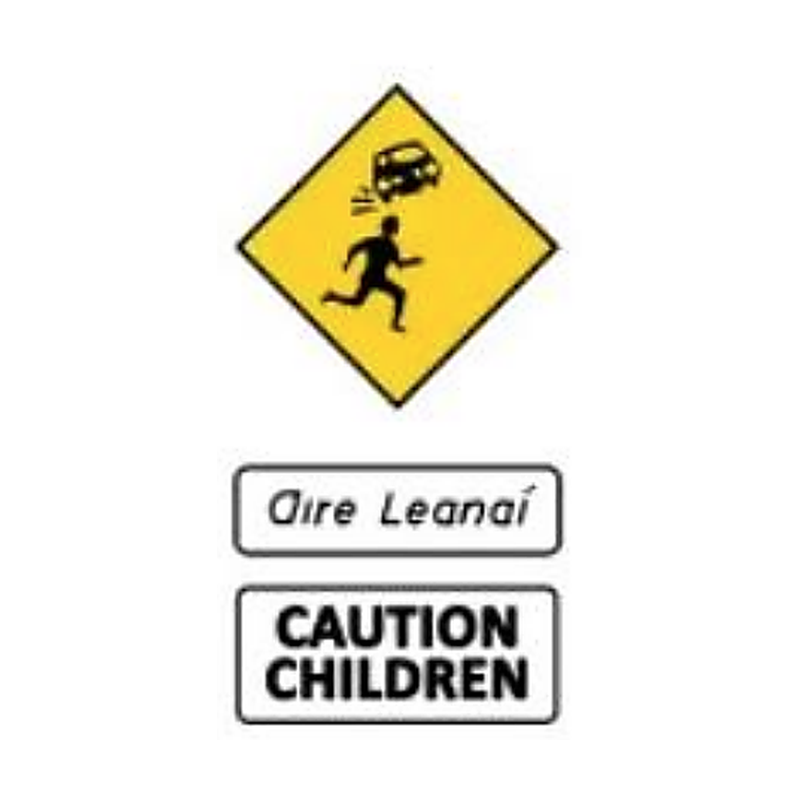
School and children warning signs are placed near schools, playgrounds, parks, and residential areas where children are likely to be present on or near the road. Children are less predictable than adult pedestrians and may step onto the road without looking. These signs require a significant reduction in speed and greatly increased vigilance, particularly at school start and finish times.
Tram Warning Signs
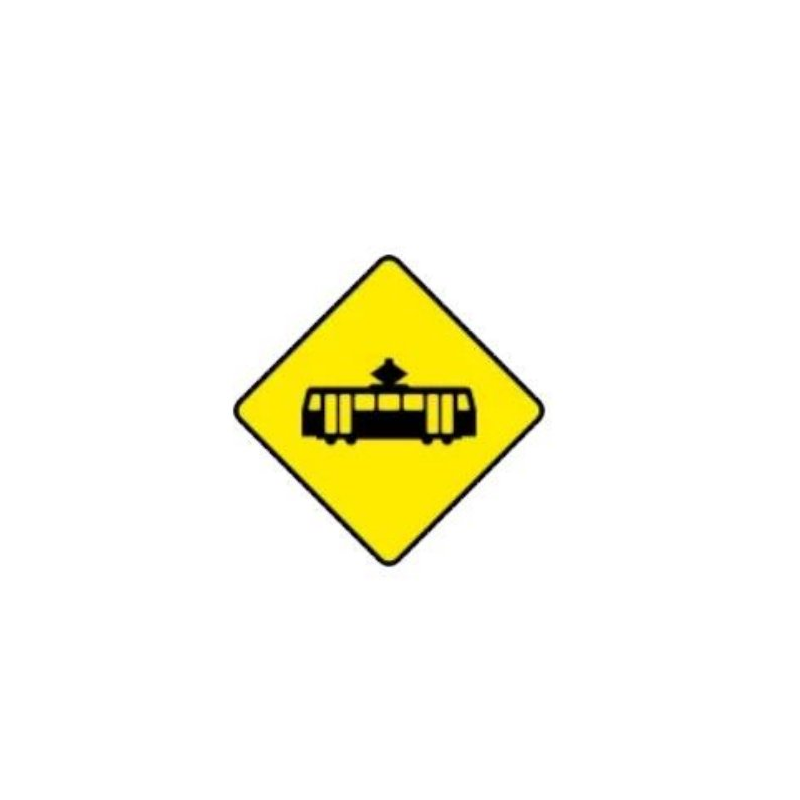
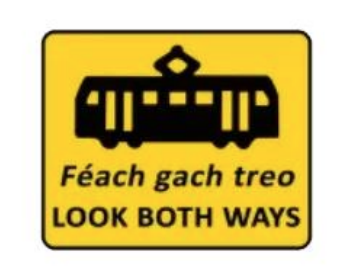
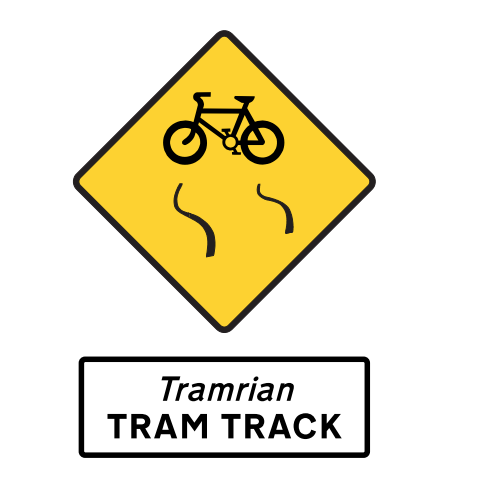
Tram warning signs are found in Dublin city and suburbs where the Luas light rail network crosses road junctions. Trams are long, heavy vehicles that travel on fixed tracks — they cannot stop quickly or swerve to avoid a collision. Where a road crosses tram tracks, drivers must slow down, look carefully in the direction indicated, and only proceed when no tram is approaching.


Roadwork Warning & Information Signs
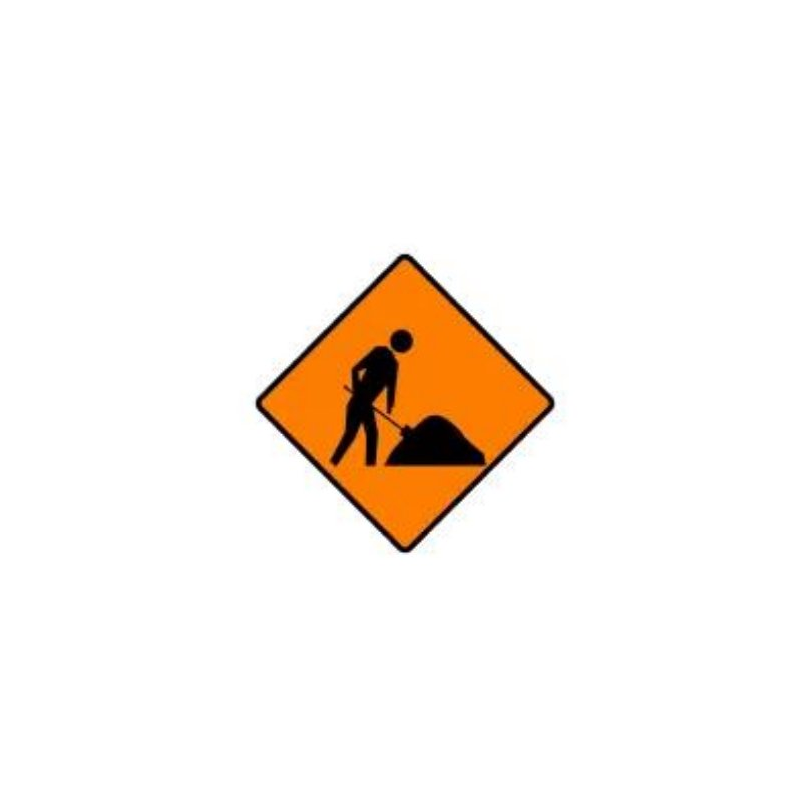
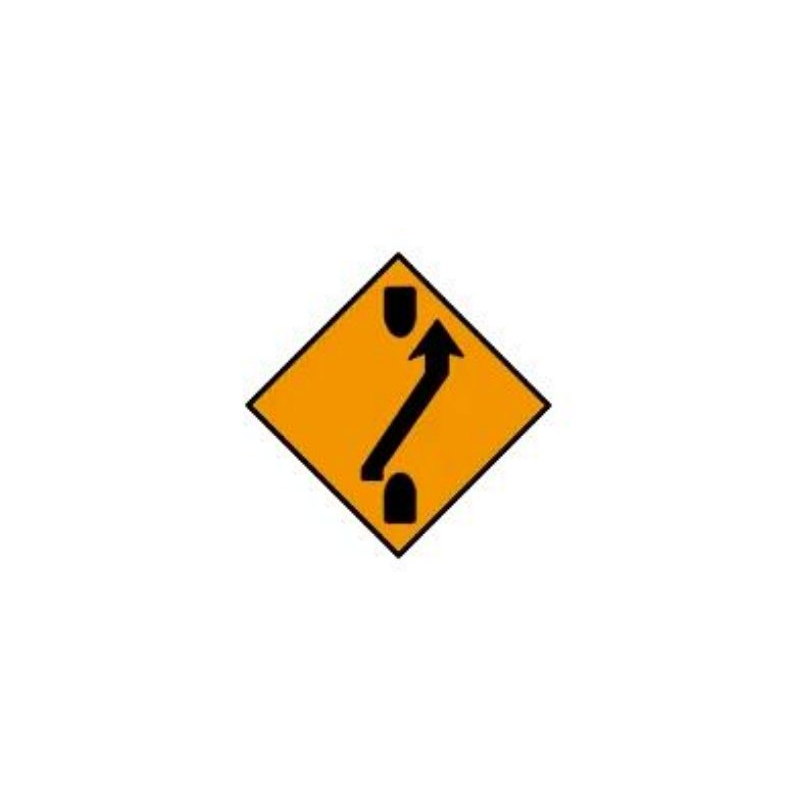
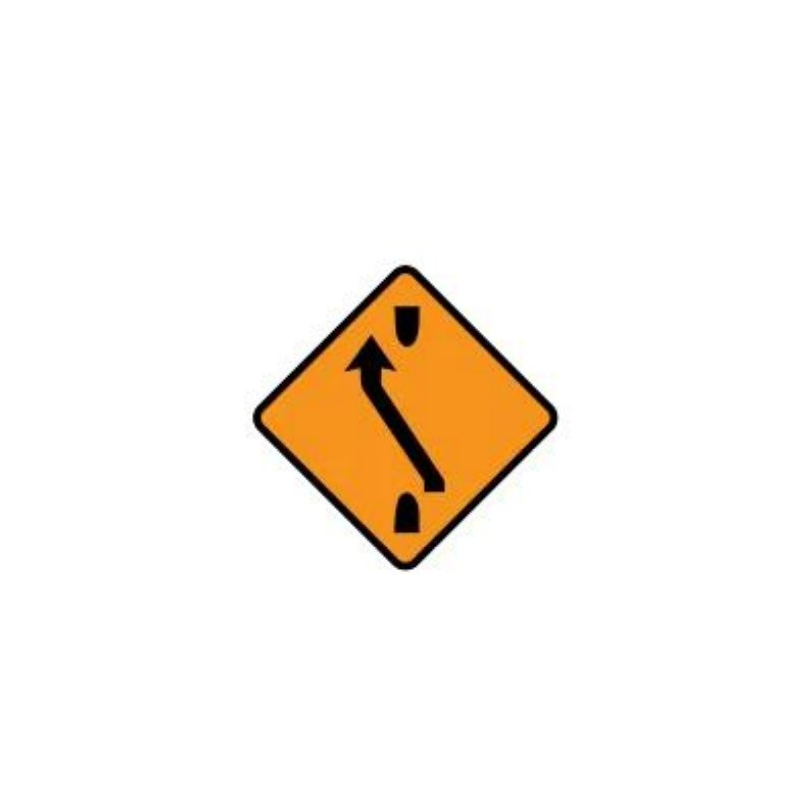
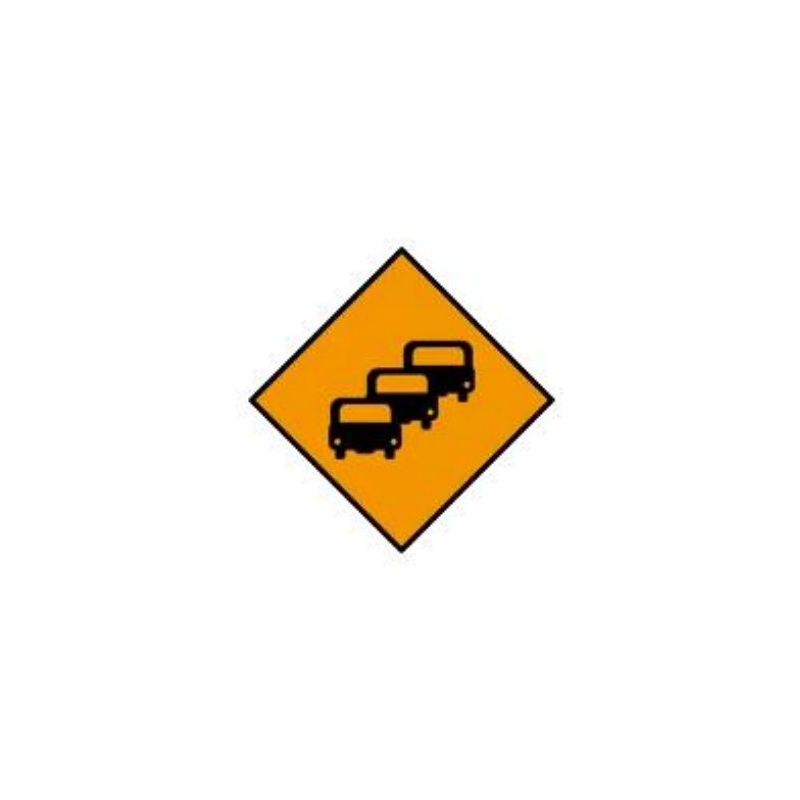
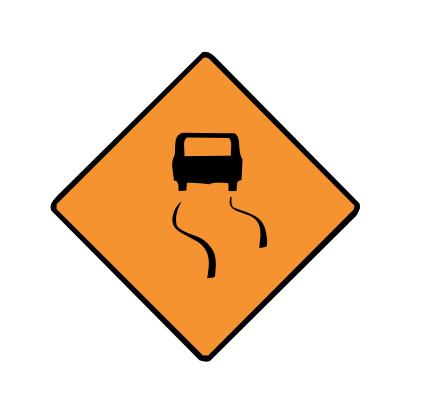
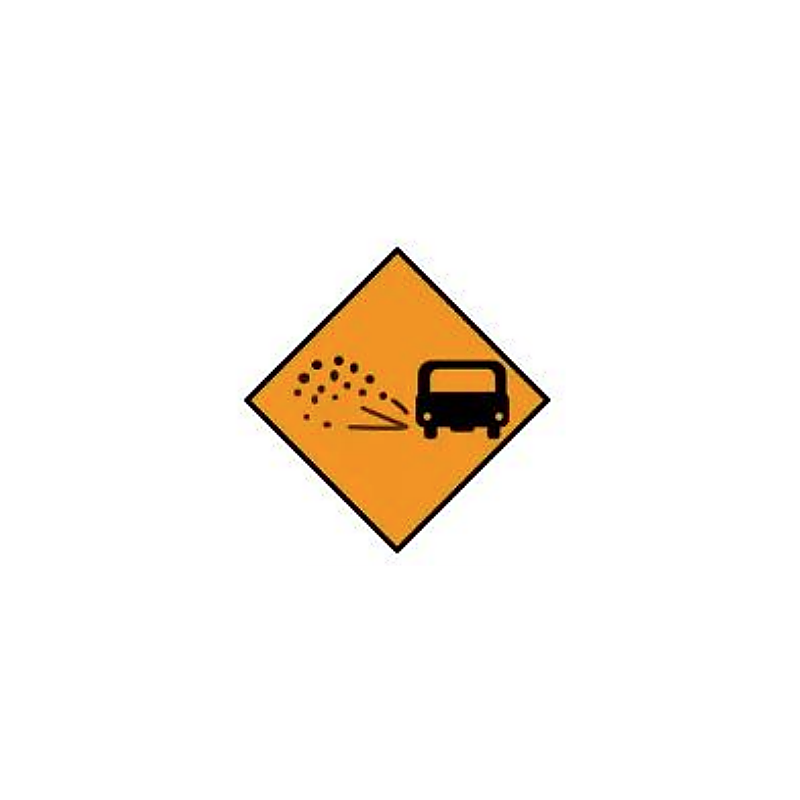
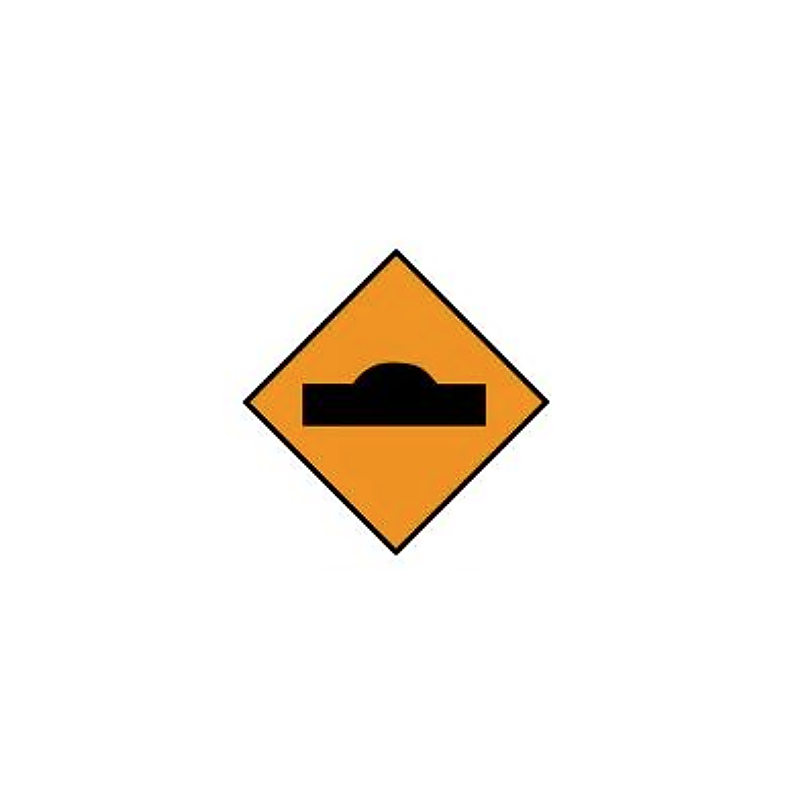
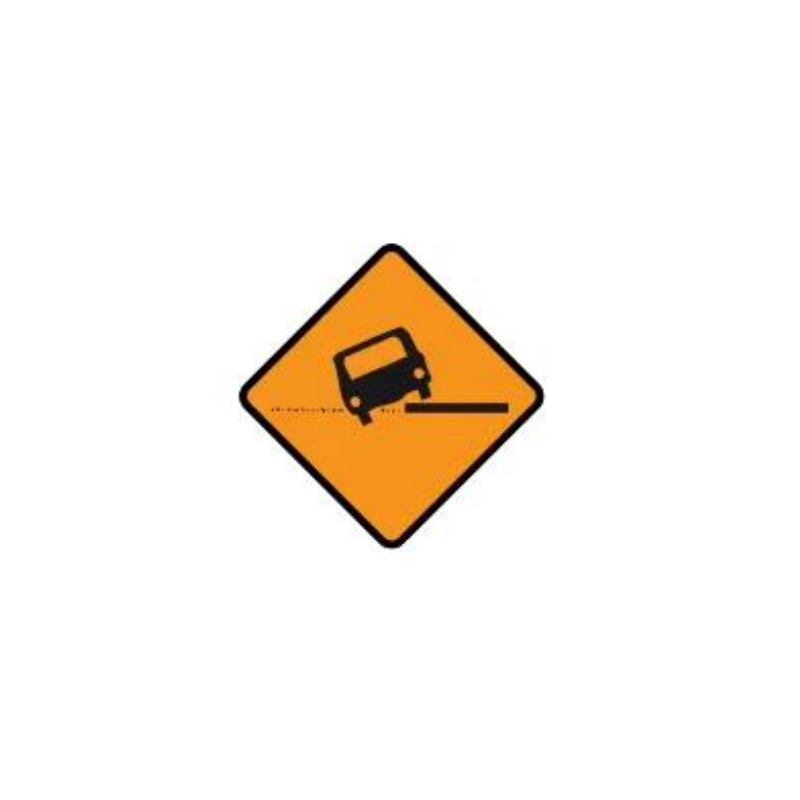
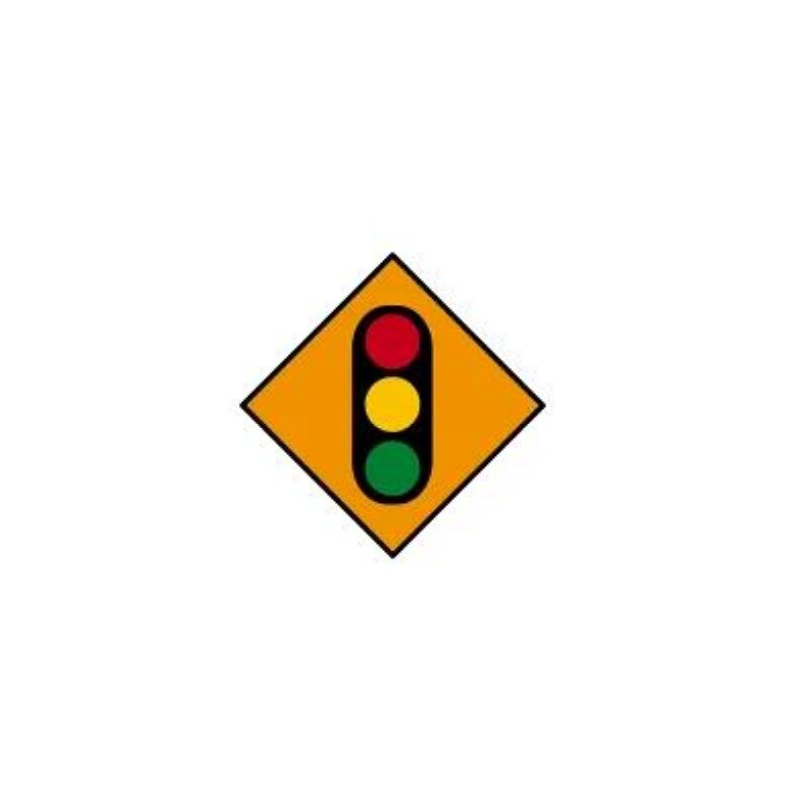
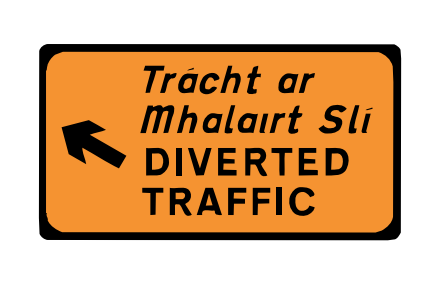
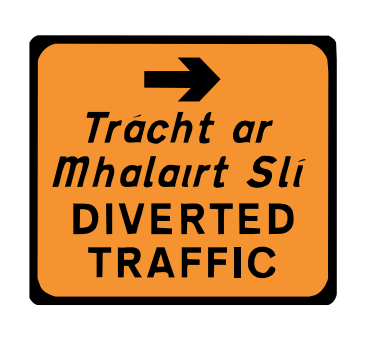
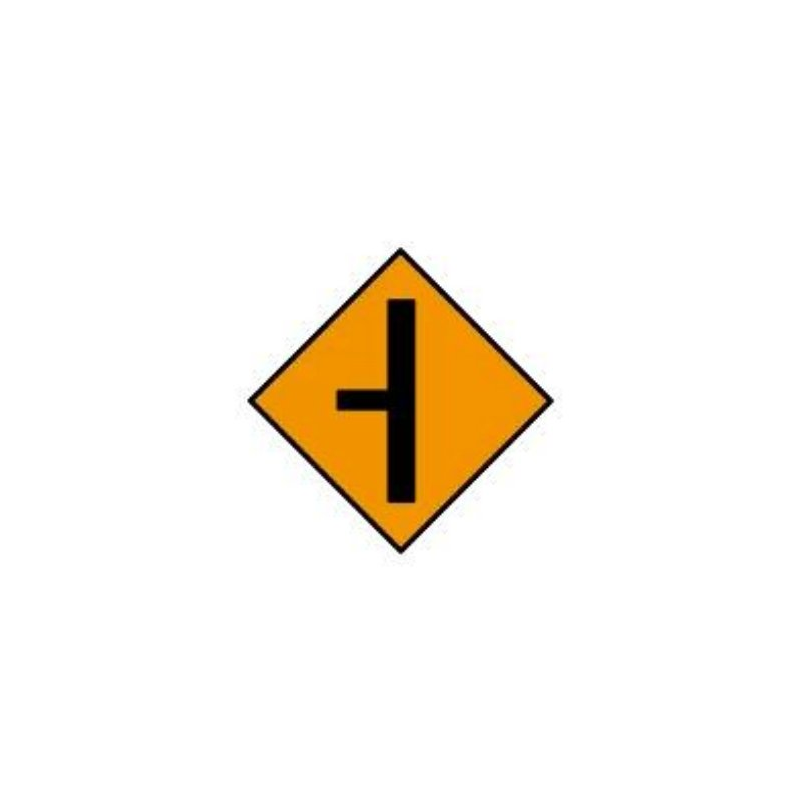
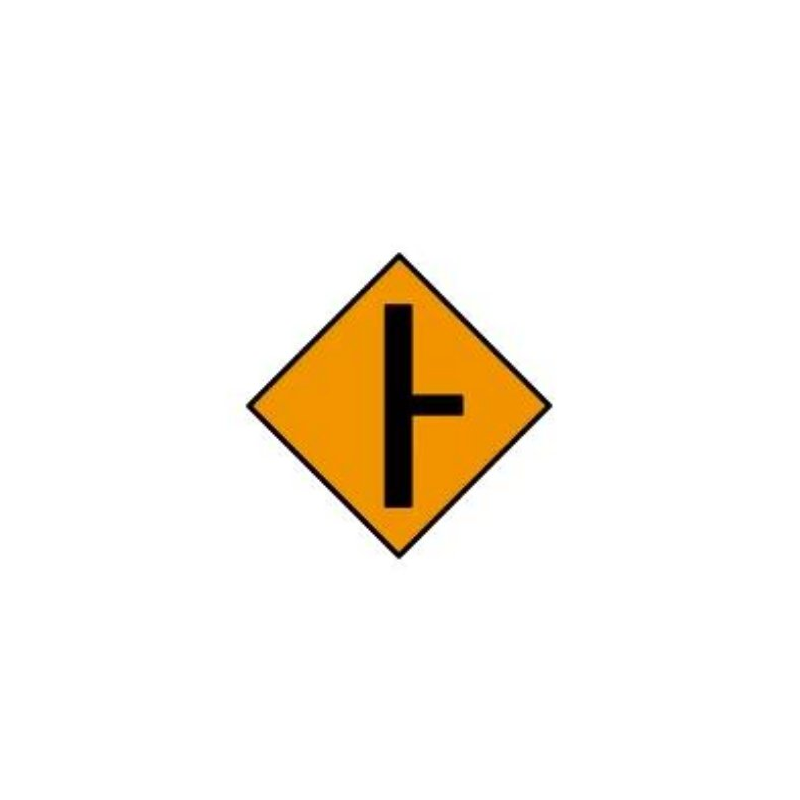
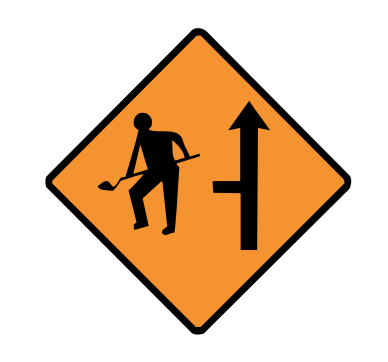
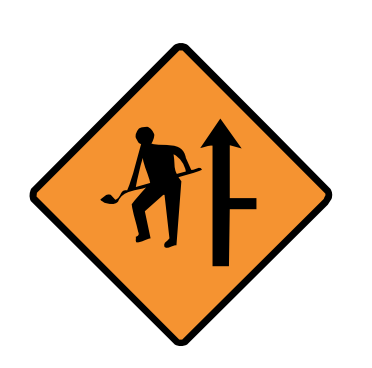
Orange Diamond — Roadwork WarningRoadwork signs use an orange background to set them apart from permanent yellow warning signs. They are temporary signs, placed only while construction or maintenance work is taking place. Despite being temporary, any speed limits shown on roadwork signs carry exactly the same legal force as permanent speed limit signs. Always comply with them.
Roadwork Warning Signs
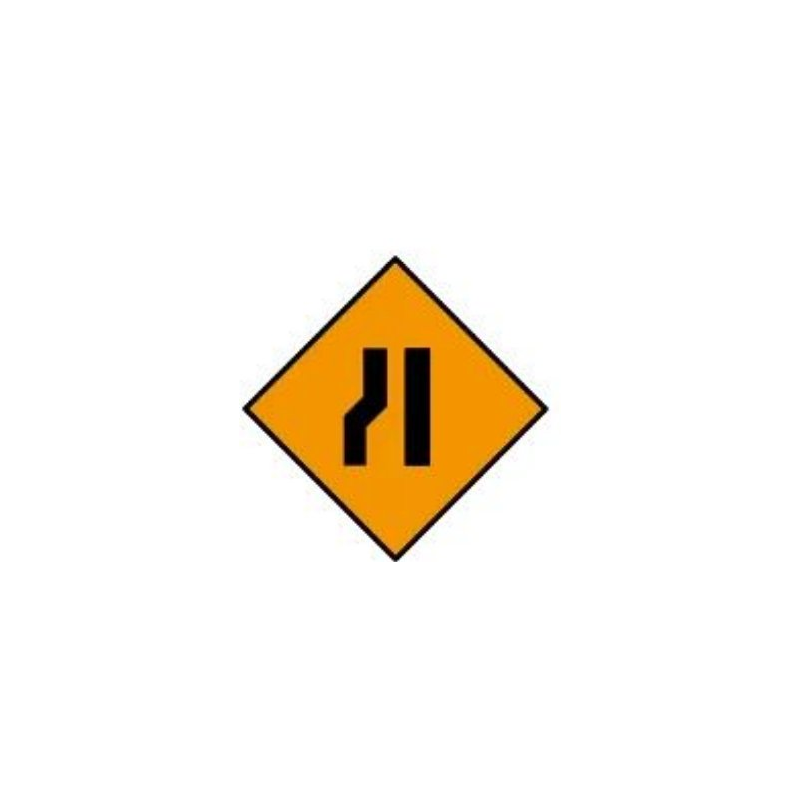
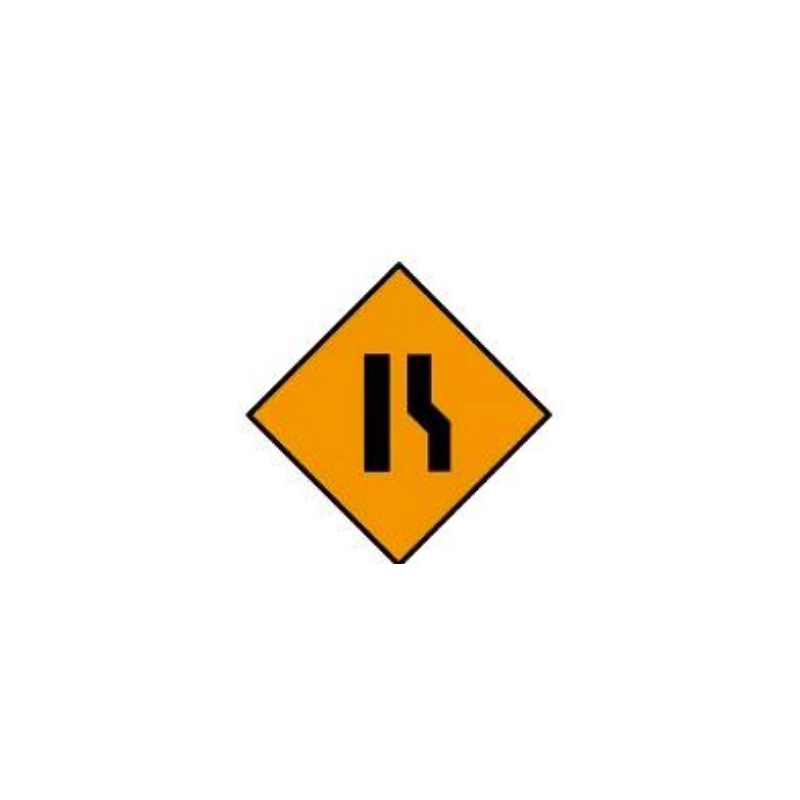
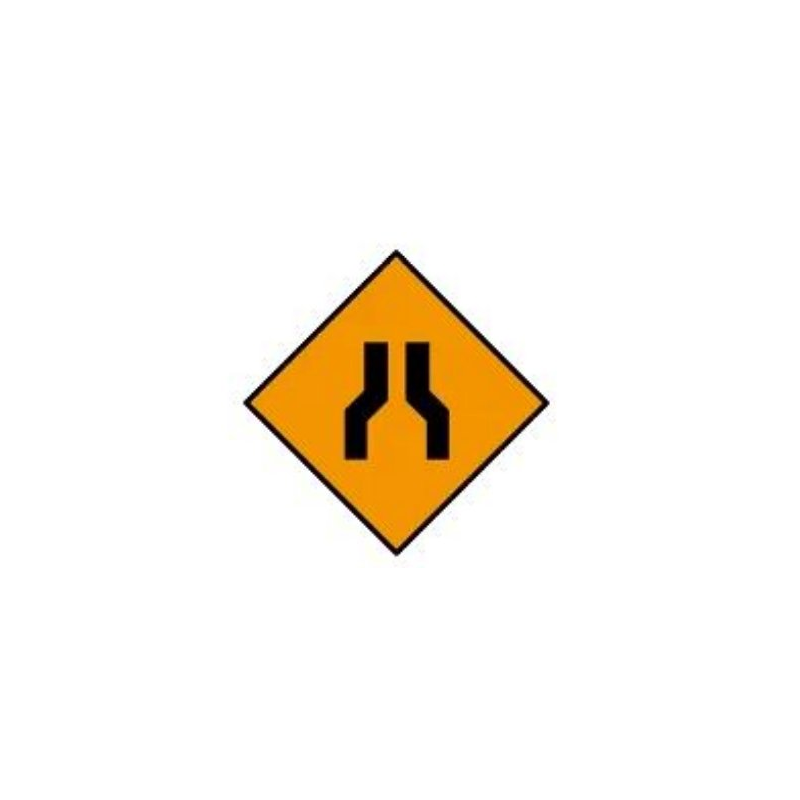
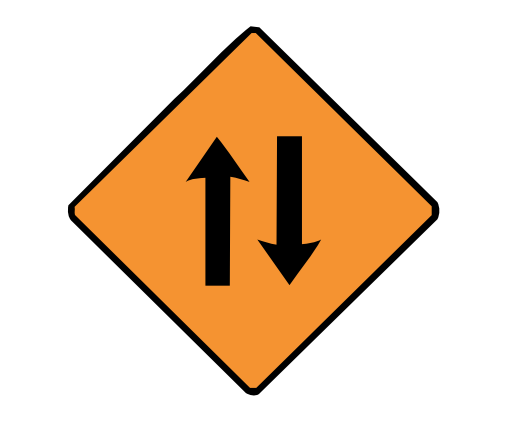
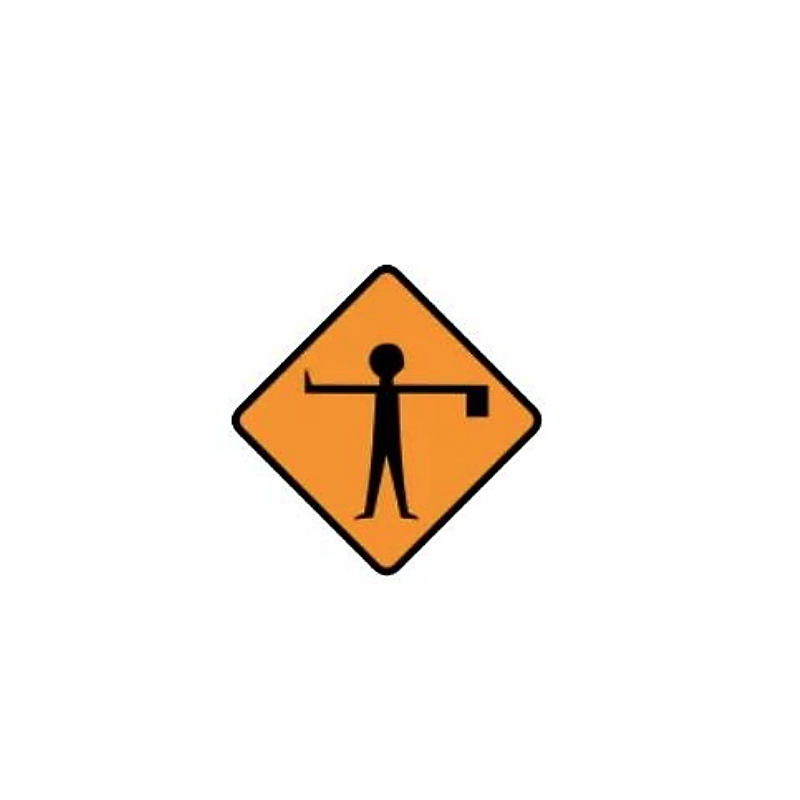
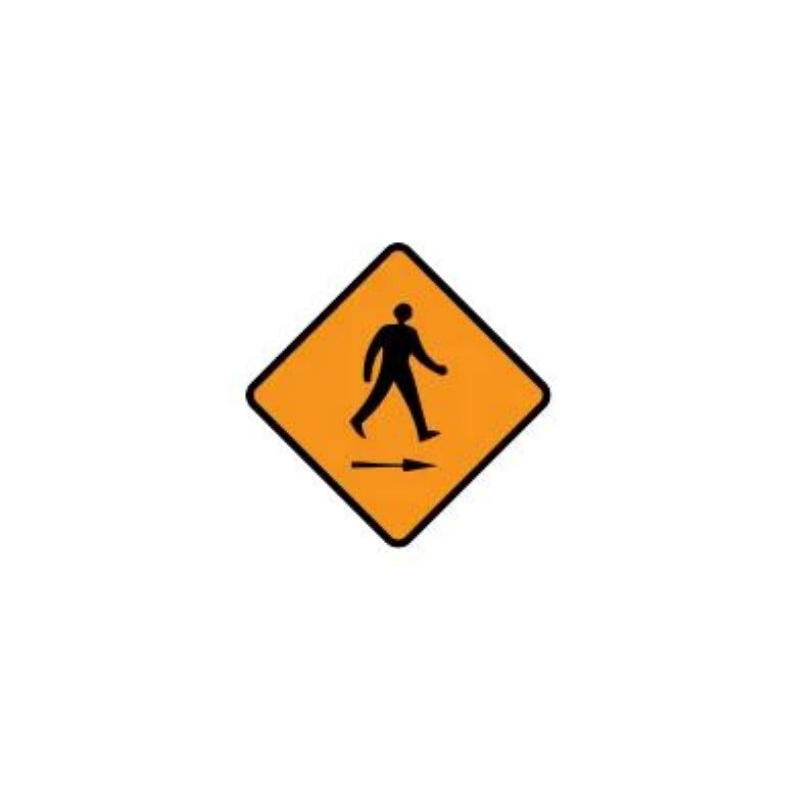
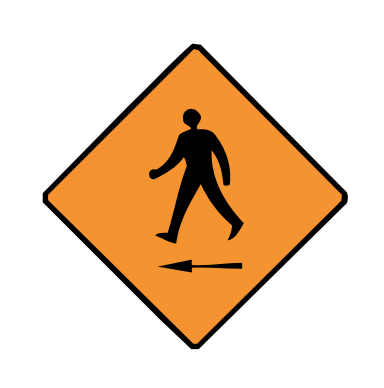
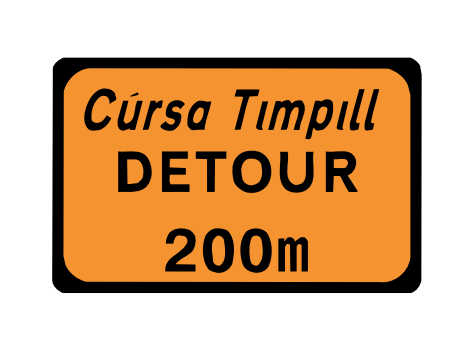
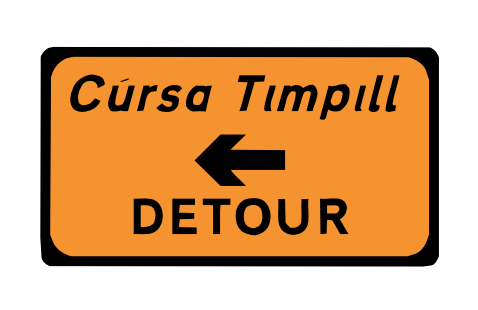
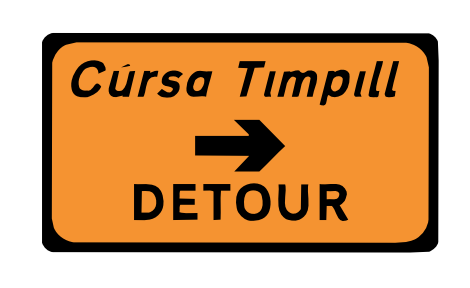
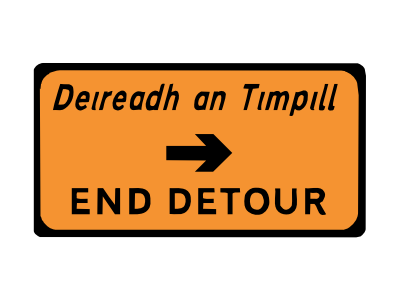
Roadwork Detour & Closure Signs
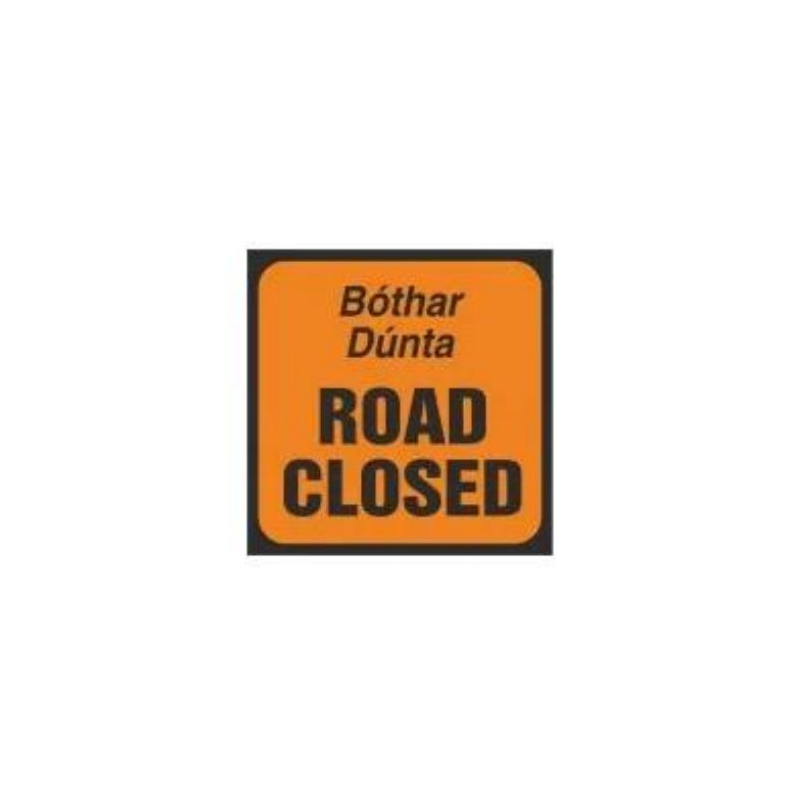
Roadwork Informative Signs
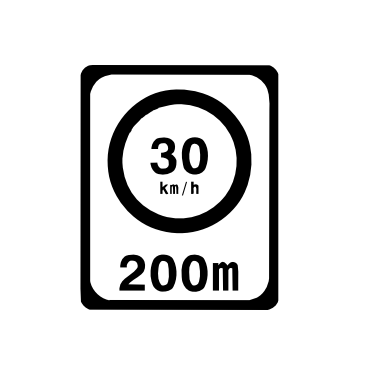
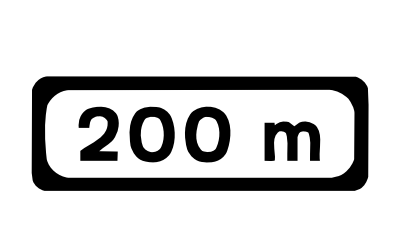
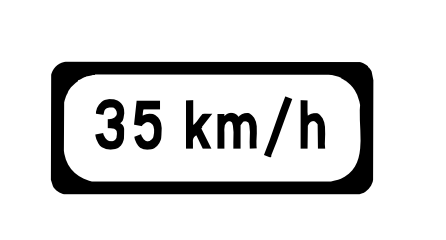
These signs give specific information about the nature and extent of the work zone — distances, speed limits, and lane layouts.
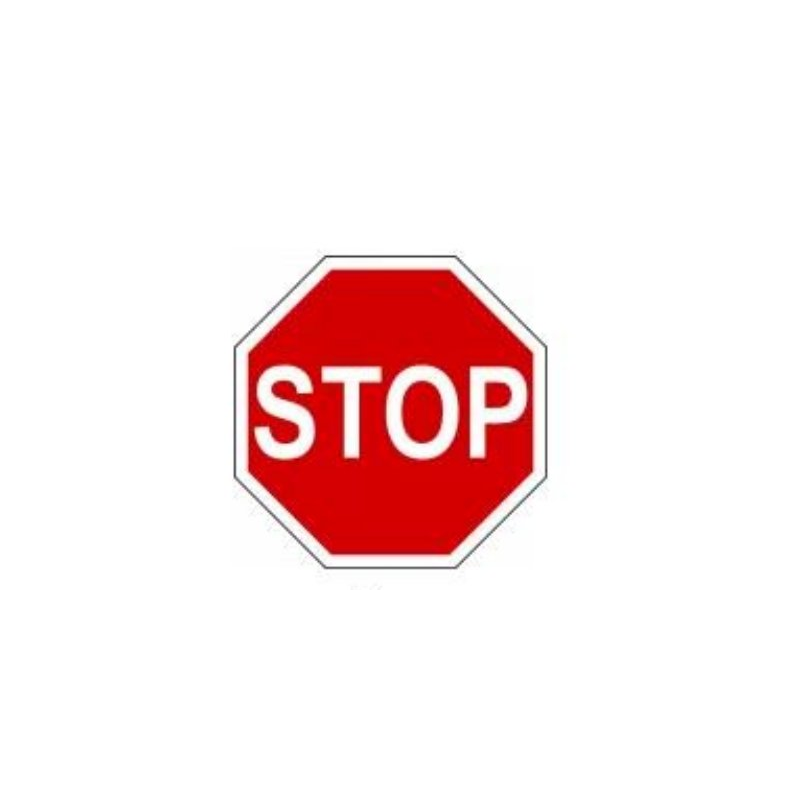
Manual Traffic Control Signs at Roadworks
When a human operative controls traffic flow at a roadwork site, they use hand-held manual signs. You must obey these signs immediately — they have the same authority as any fixed traffic sign.

Quick-Reference Table — Warning Signs
Use this table to revise warning signs by group. Each row summarises the hazard and the recommended driver action.
| Sign Group | Key Hazard | Required Action |
|---|---|---|
| Junction (Crossroads, T, Y, Side Road) | Vehicles entering from another road | Check mirrors, reduce speed, look for emerging traffic, give way if required |
| Roundabout / Mini-Roundabout | Circular junction with give-way rule | Reduce speed, look right for traffic already on the roundabout, give way |
| Dangerous Corner / Bend | Sharp change of direction | Reduce speed before the bend, stay left, do not brake mid-corner |
| Series of Bends / Corners | Multiple hazards in sequence | Hold a low, steady speed through the entire series |
| Slippery Road | Reduced tyre grip | Reduce speed, increase following distance, avoid harsh inputs |
| Road Narrows | Reduced road width | Reduce speed, keep left, be prepared to give way to oncoming vehicles |
| Steep Descent / Ascent | Gradient affecting speed and braking | Descents: use lower gear, avoid riding the brake. Ascents: maintain momentum |
| Level Crossing | Train crossing | Stop when lights flash or barriers lower; at unguarded crossing, stop and look both ways |
| Pedestrian Crossing Ahead | Pedestrians crossing | Reduce speed, be ready to stop; give way at a zebra crossing |
| School / Children | Children on or near road | Significant speed reduction; be prepared to stop at any point |
| Animal signs (Cattle, Sheep, Wild) | Animals on or near road | Scan verges, reduce speed, be ready to stop; use horn gently near livestock |
| Tram Crossing | Tram approaching on tracks | Slow down, look in direction indicated; only cross when no tram is coming |
| Road Works Ahead (Orange) | Changing road layout, workers present | Reduce speed to posted limit immediately; obey all temporary signs and operatives |
Theory Test Tips for Warning Signs
Warning signs feature prominently in the RSA Driver Theory Test. Here is how to approach them effectively in your revision:
- Shape first: A diamond shape always means a warning sign. If the diamond is yellow it is permanent; if orange it is temporary (roadwork). This alone eliminates most wrong answer options.
- Learn the look-alike pairs: The most common errors in the theory test involve confusing similar signs — Dangerous Corner vs Dangerous Bend, Series of Bends vs Series of Corners, and the three school/children signs.
- Know the required response: The theory test does not just ask what the sign is — it asks what you should do. The answer for virtually every warning sign is some version of: slow down, increase observation, be ready to stop.
- Roadwork speed limits: A common question is whether a temporary roadwork speed limit is legally enforceable. It is — treat every roadwork speed limit exactly as you would treat a permanent one.
- Level crossing rules: These are heavily tested because the consequences of getting them wrong in real life are catastrophic. Know the rules for guarded and unguarded crossings clearly.
Warning Signs on the RSA Driving Test
On the RSA driving test, the tester observes how you respond to every warning sign on the test route. Warning signs matter for several specific reasons:
- Speed reduction: If you do not reduce speed appropriately after passing a warning sign, the tester may record a fault for failure to respond to hazards or for inappropriate speed.
- Observation: Warning signs should trigger an observable increase in your scanning of the road — mirrors, forward observation, and lateral scanning for the specific hazard indicated.
- MSMM routine: Many warning signs require you to apply the MSMM (Mirror–Signal–Mirror–Manoeuvre) routine — particularly junction warning signs, where you need to check mirrors, signal if turning, and approach at a safe speed.
- School zones: Failure to reduce speed appropriately near school warning signs, especially if a school warden is present, is a serious fault.
- Level crossings: Failing to stop at a level crossing when the lights are flashing or the barriers are lowering is an immediate fail.
Frequently Asked Questions
Continue in the Road Signs series
Knowing your signs is the foundation — but putting them into practice on real roads is where real learning happens. Book your EDT lessons with BP Driving School — RSA-approved, Swords, door-to-door pickup, manual & automatic.
Preparing for your test? Book a mock test to check your readiness before the real thing.