Road signs are the language of every road in Ireland. Understanding them is not just essential for passing the RSA Driver Theory Test — it is a legal requirement every time you sit behind the wheel. This guide covers every category of road sign used in Ireland, what each sign means, and why it matters for your safety and the safety of everyone around you.
Road Signs in Ireland — Article Series
In This Guide
- Road Signs in Ireland — An Overview
- The Four Main Categories
- Colour & Shape Key
- Warning Signs
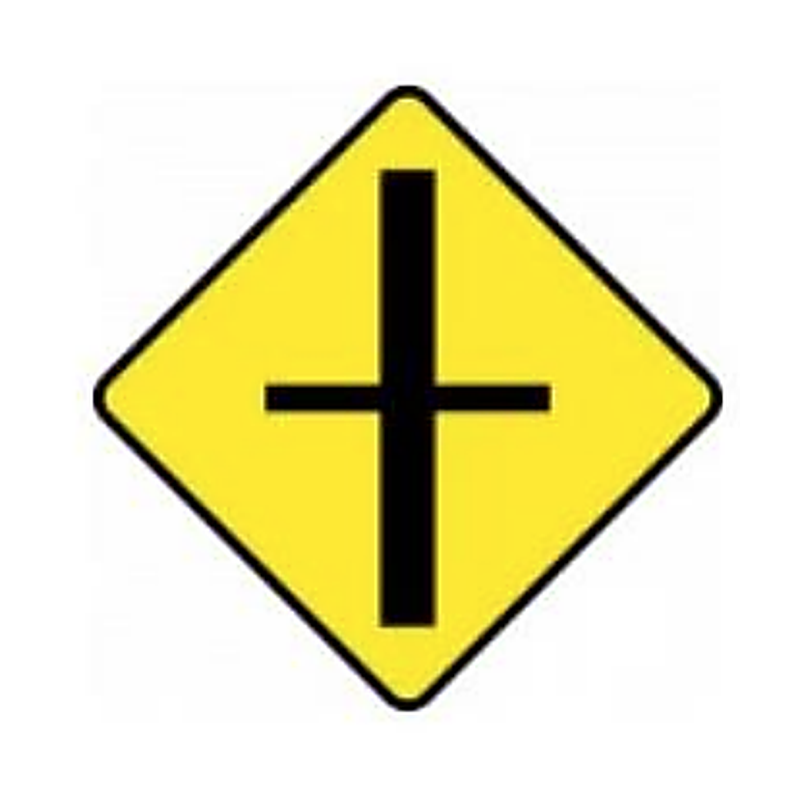
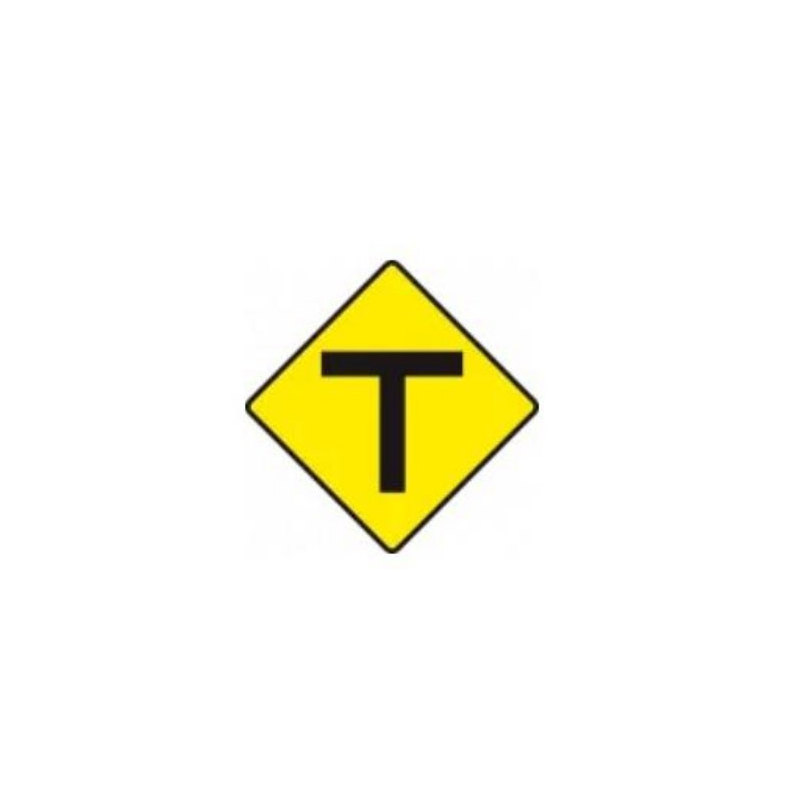
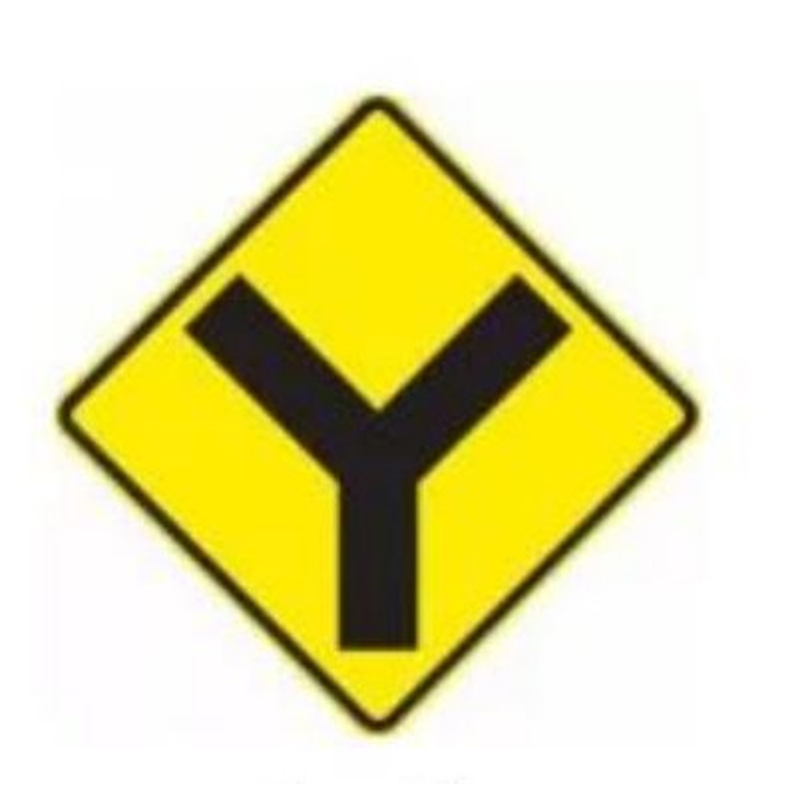
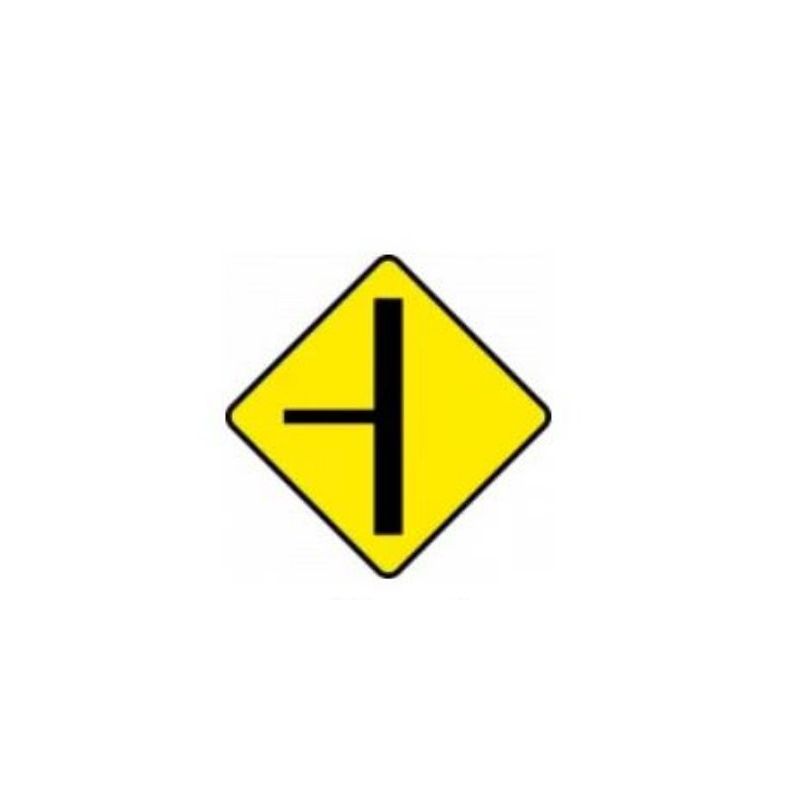
- Junction Warning Signs
- General Warning Signs
- School & Children Warning Signs
- Roadwork Signs
- Regulatory Signs
- Speed Limit Signs
- Mandatory Turn Signs
- Information & Direction Signs
- Motorway Signs
- Road Markings
- Traffic Lights
- Bilingual Signs — Irish & English
- Road Signs & the Theory Test
- Road Signs on the RSA Driving Test
- Frequently Asked Questions
Road Signs in Ireland — An Overview
Road signs exist to communicate rules, warnings, and information to drivers quickly and consistently. In Ireland, road signs are governed by the Road Traffic (Signs) Regulations and are designed to align with international conventions used across Europe. While most signs will look familiar to anyone who has driven in the UK or continental Europe, Ireland has a number of unique signs and uses some signs differently to other countries.
Every learner driver in Ireland must be familiar with road signs for two reasons: first, road signs form a dedicated section of the RSA Driver Theory Test; second, correctly reading and responding to signs is assessed throughout the RSA Driving Test itself. Failing to obey a regulatory sign during the driving test is an automatic failure.
The Four Main Categories of Road Signs
The Irish road sign system divides signs into four main categories. Understanding which category a sign belongs to tells you immediately what kind of information or instruction it carries.
| Category | Shape | Colours | Purpose |
|---|---|---|---|
| Warning | Diamond (square on point) | Yellow background, black symbol/border | Alert you to a hazard or change in road conditions ahead |
| Regulatory | Circle or octagon (STOP) | Red & white (prohibitory); Blue (mandatory) | Impose legal requirements — what you must or must not do |
| Information & Direction | Rectangle or square | Blue, green, white (varies by road type) | Provide guidance, destinations, distances, services |
| Motorway | Rectangle | Blue background, white text | Direction and information on motorways only |
Ready to put signs into practice?
Book your EDT lessons with BP Driving School — RSA-approved, Swords, North Dublin.
Colour & Shape Key
Before memorising individual signs, learn the colour and shape system. This lets you read any sign at a glance — even one you have never seen before — and understand what category of instruction it carries.
Warning Signs
Yellow Diamond — WarningWarning signs in Ireland are diamond-shaped with a yellow background and a black border and symbol. They do not give orders — they alert you to a hazard or change in road conditions so you can adjust your speed and position before you reach it. Always slow down and increase your attention when you see a warning sign.
Junction Warning Signs
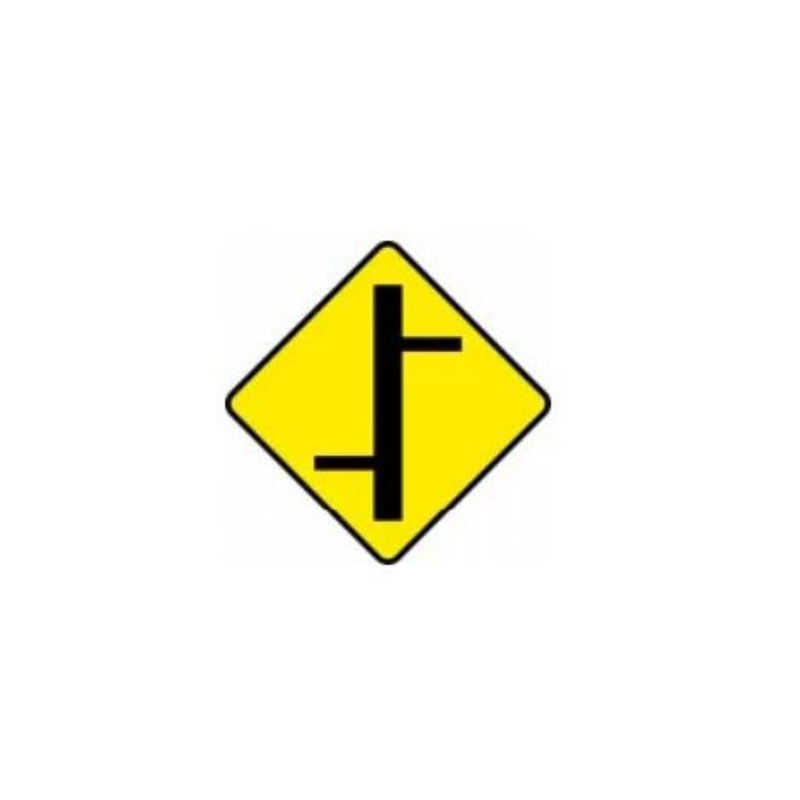
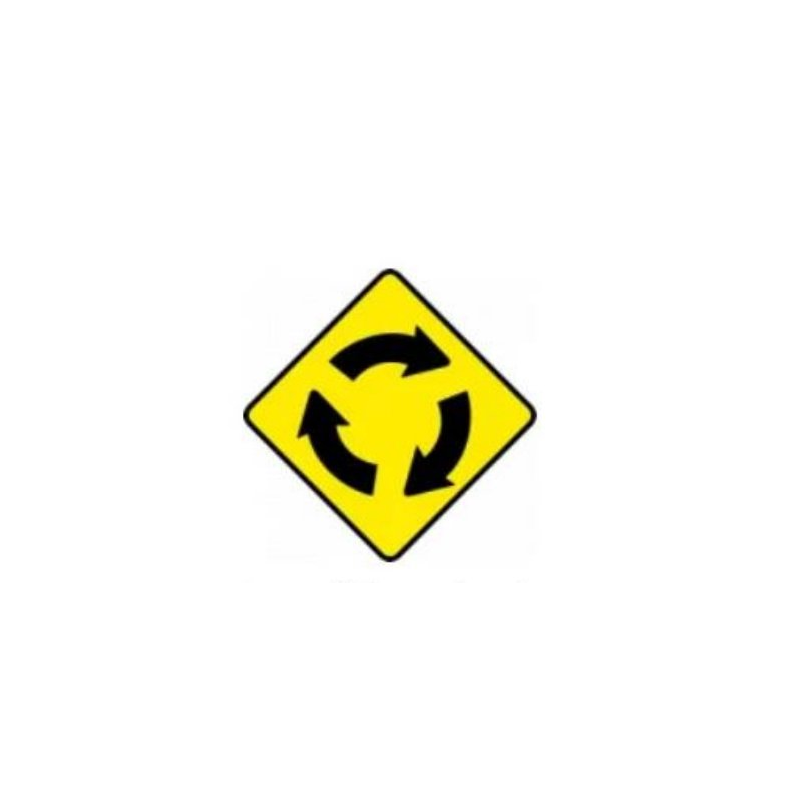
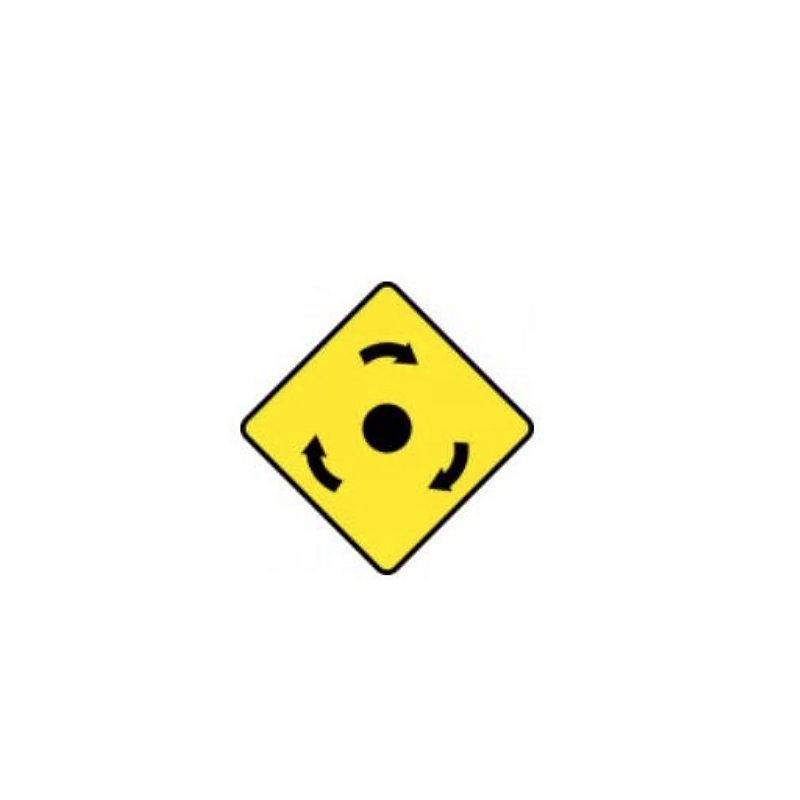
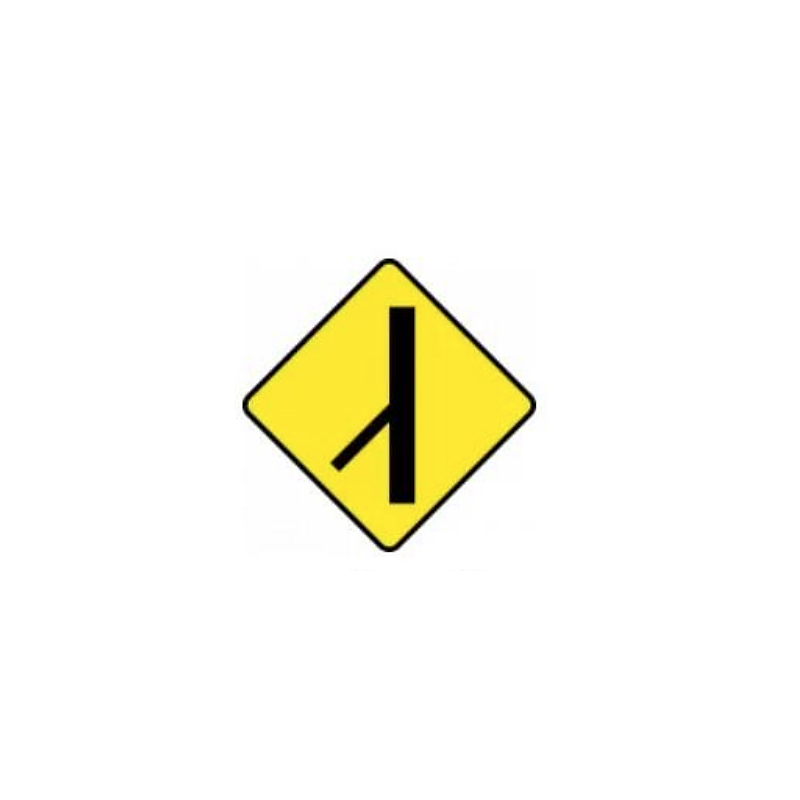
Junction warning signs alert drivers to the type of junction ahead. They give you time to choose the correct lane, reduce speed, and apply the MSMM routine before reaching the junction.
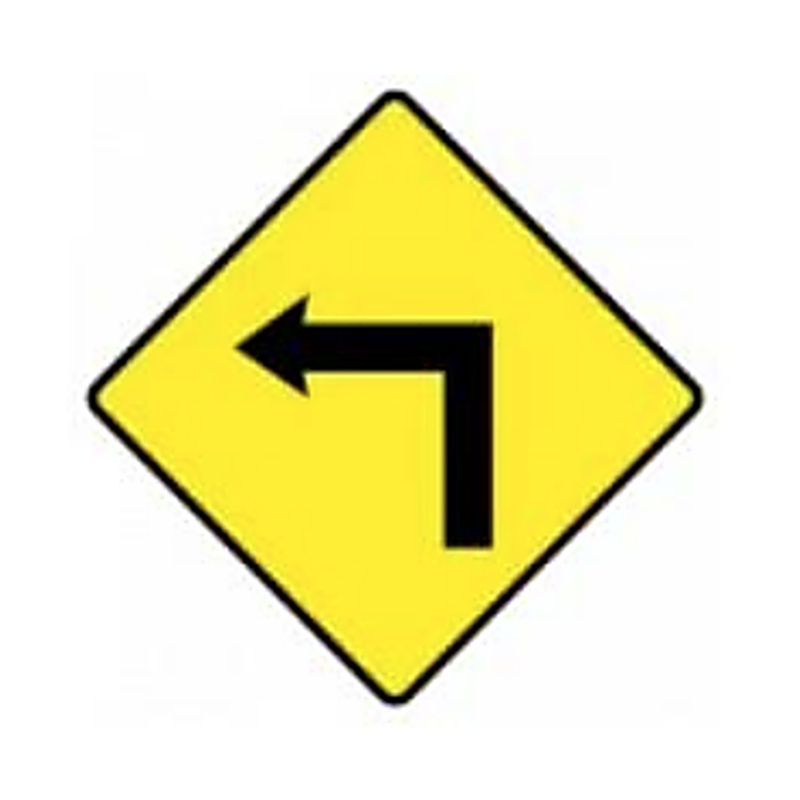
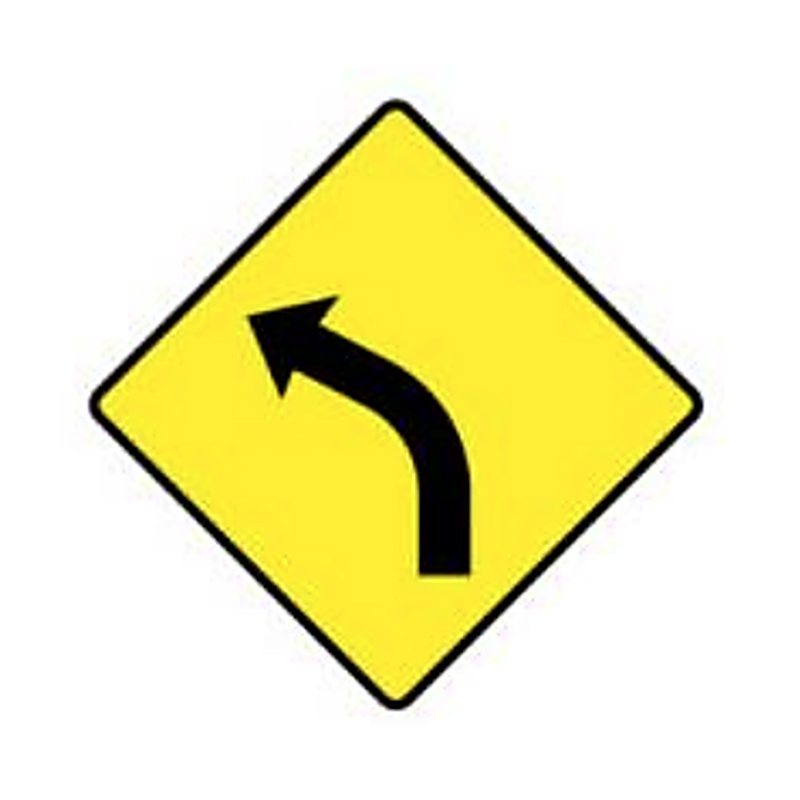
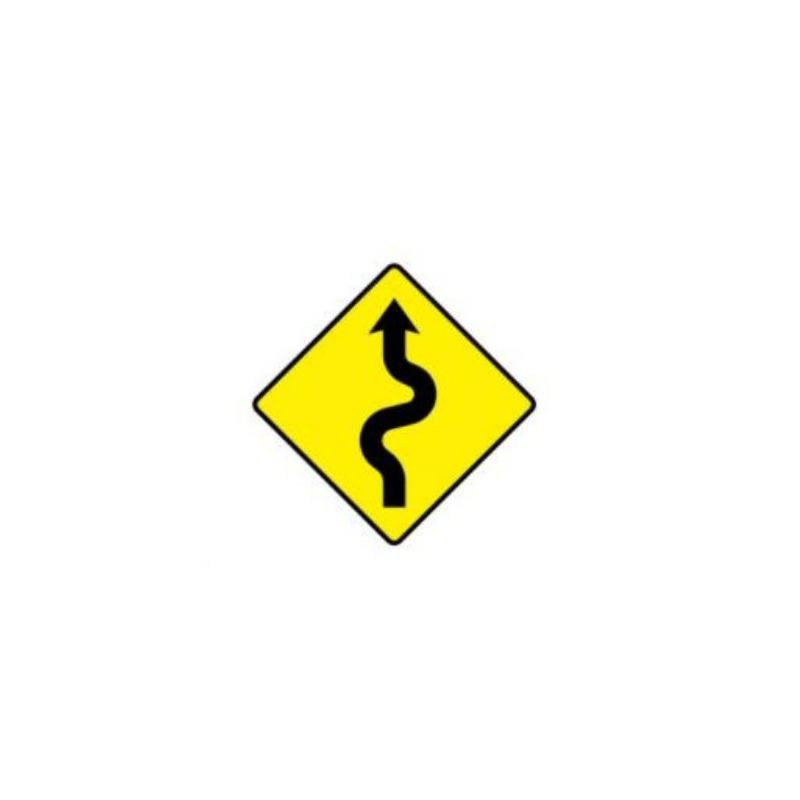
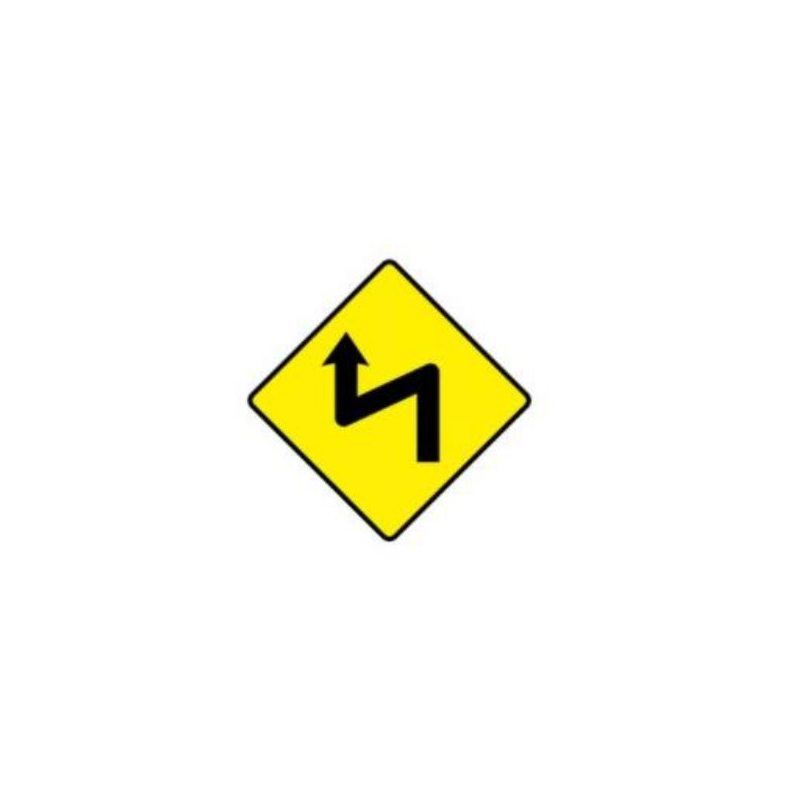
General Warning Signs
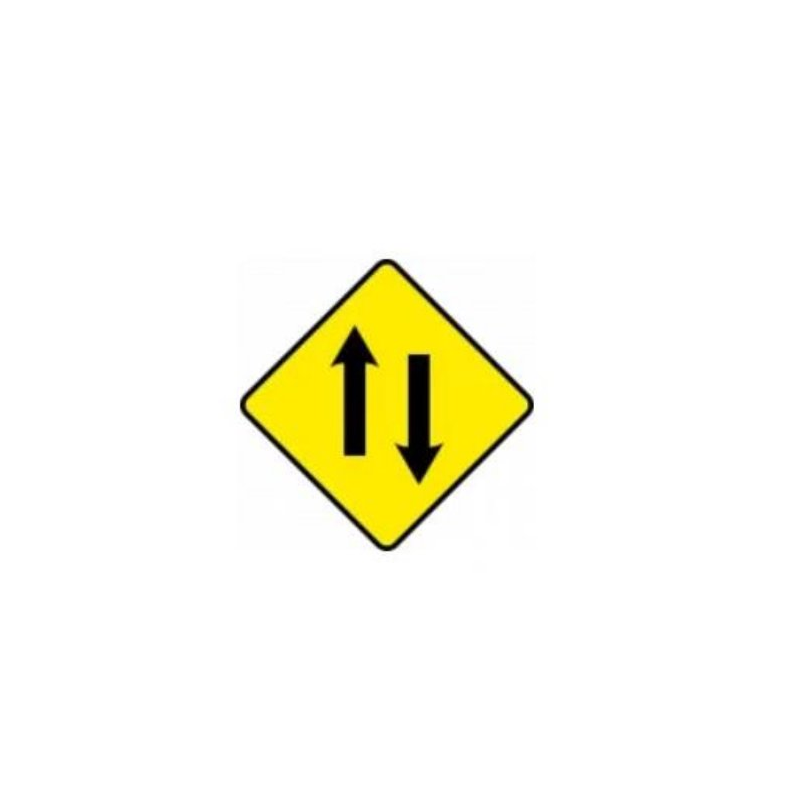
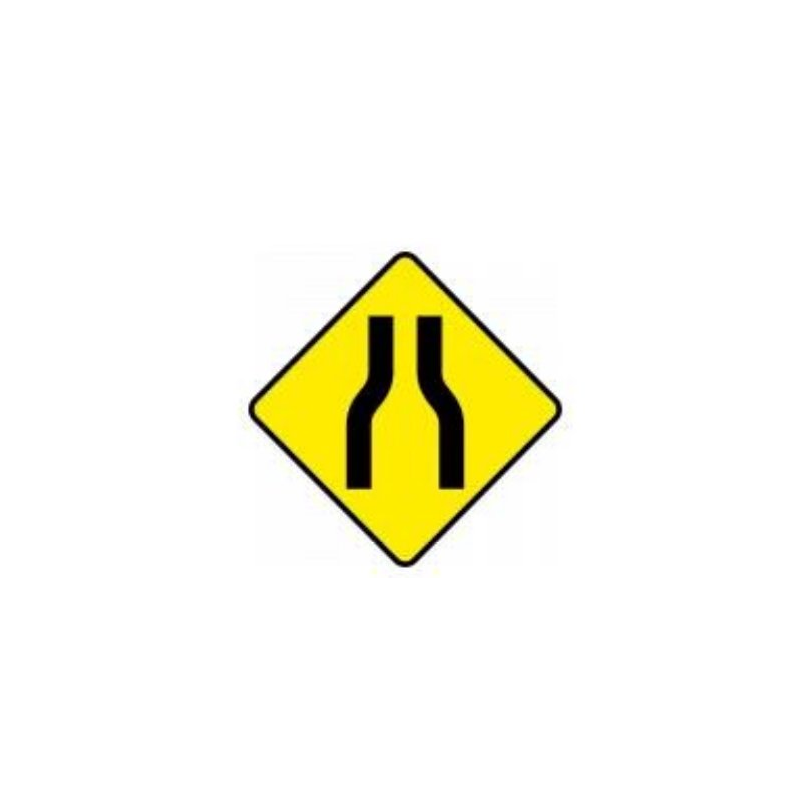
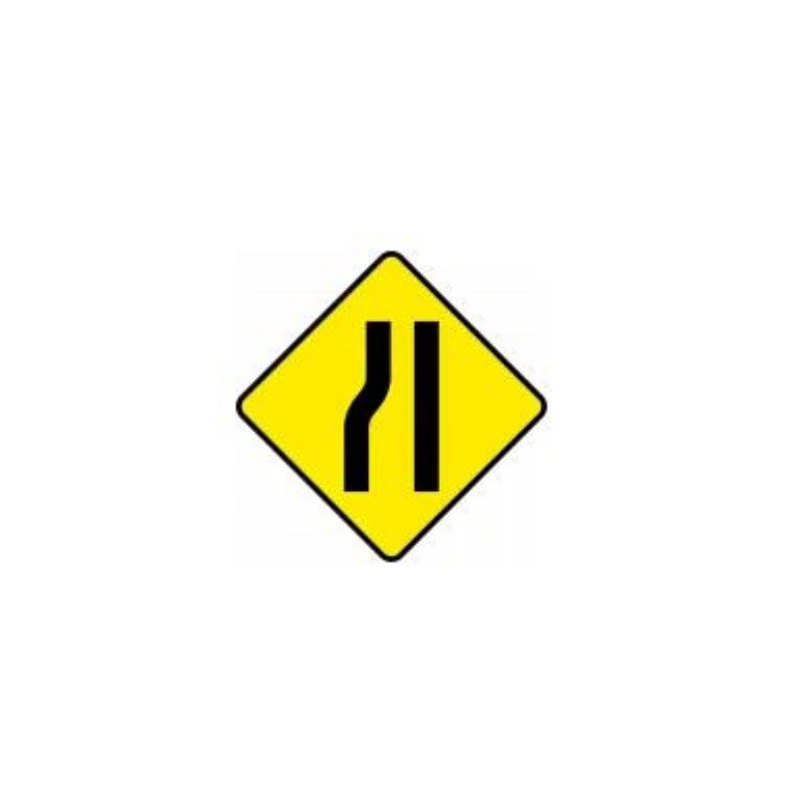
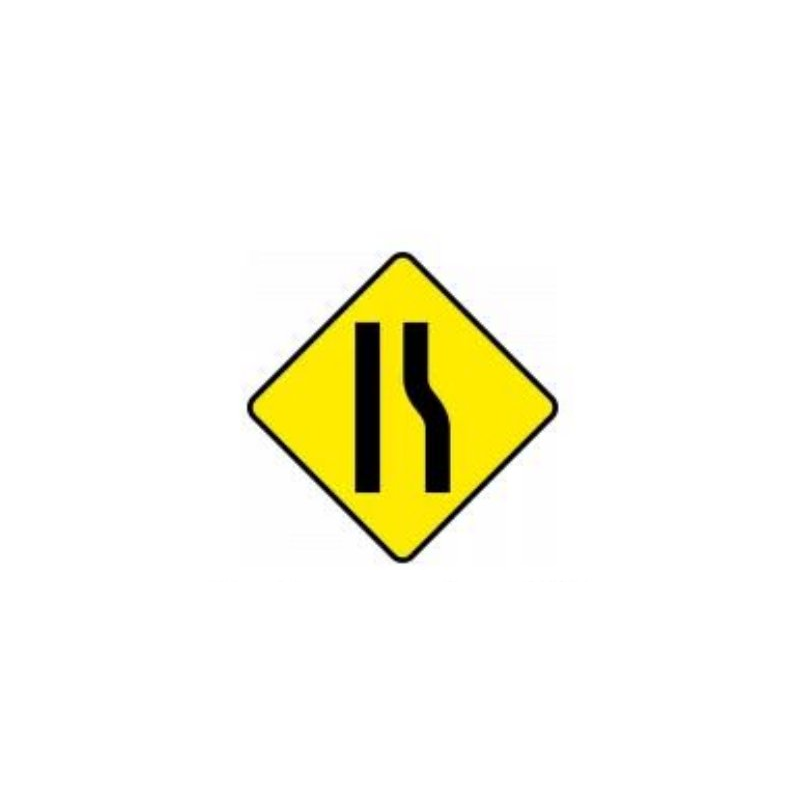
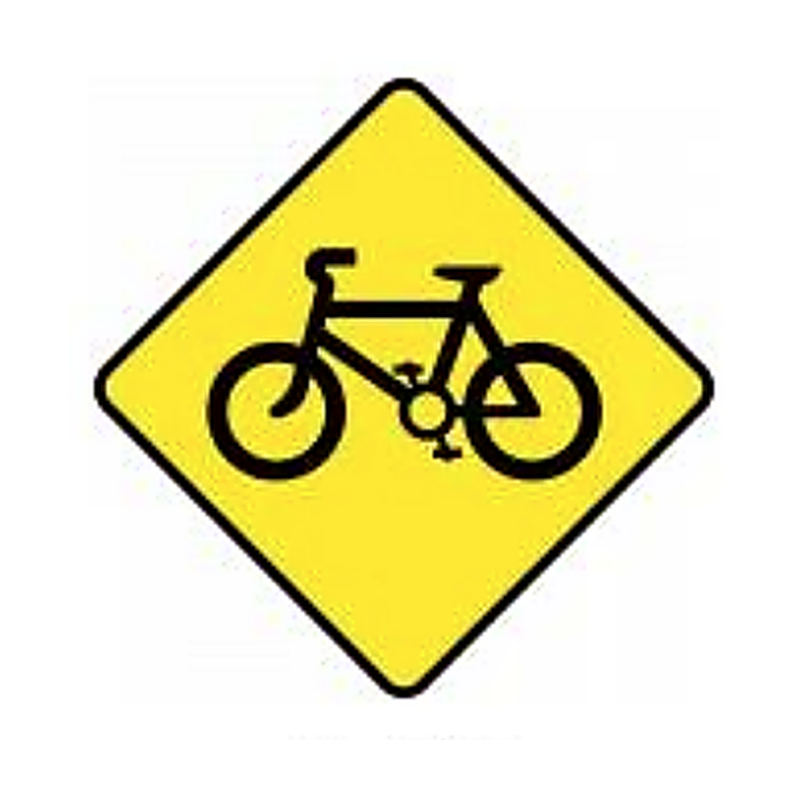
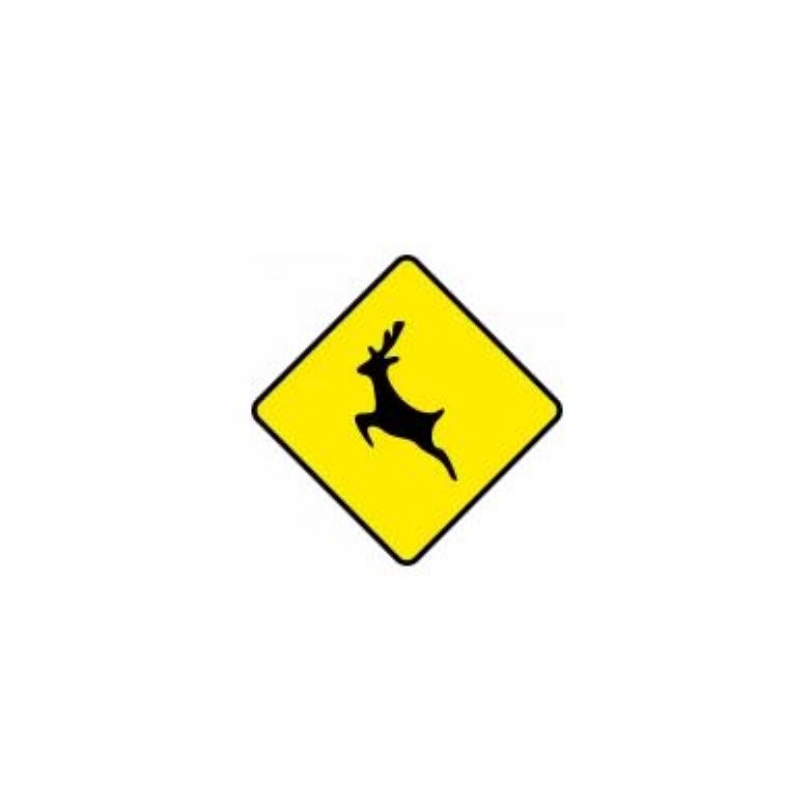
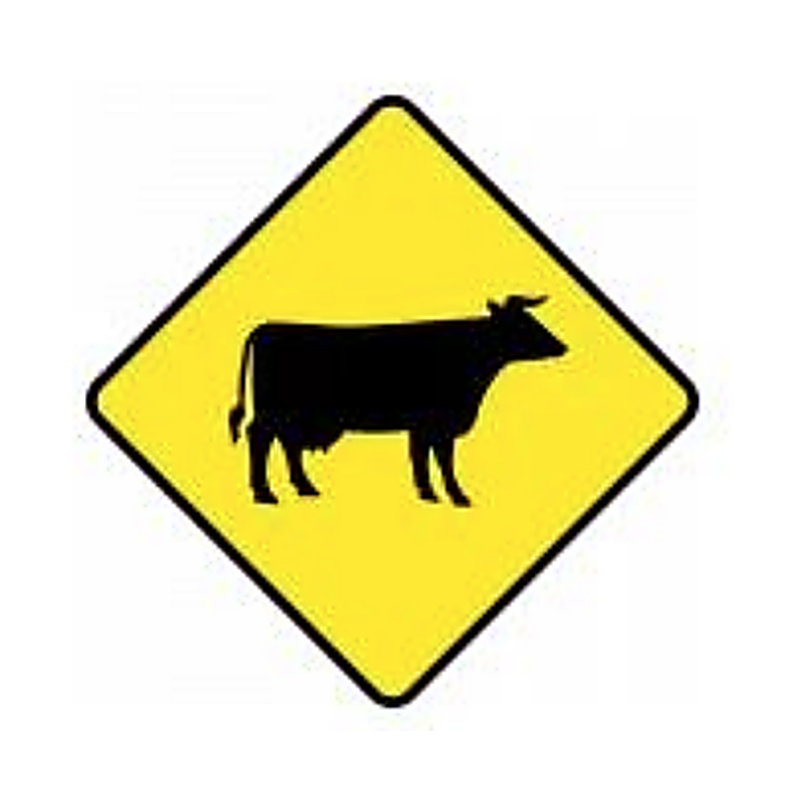
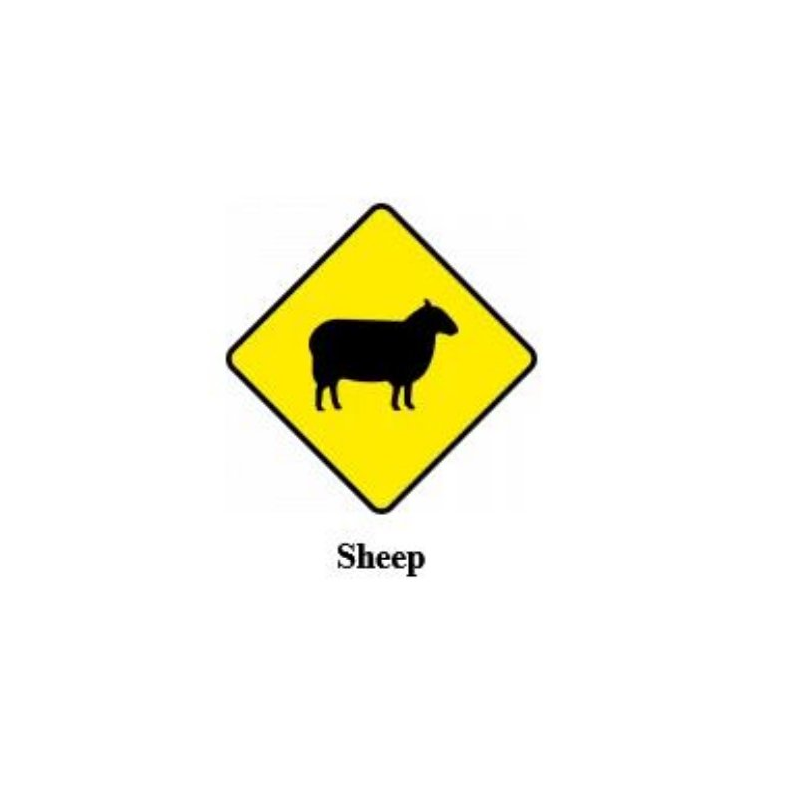
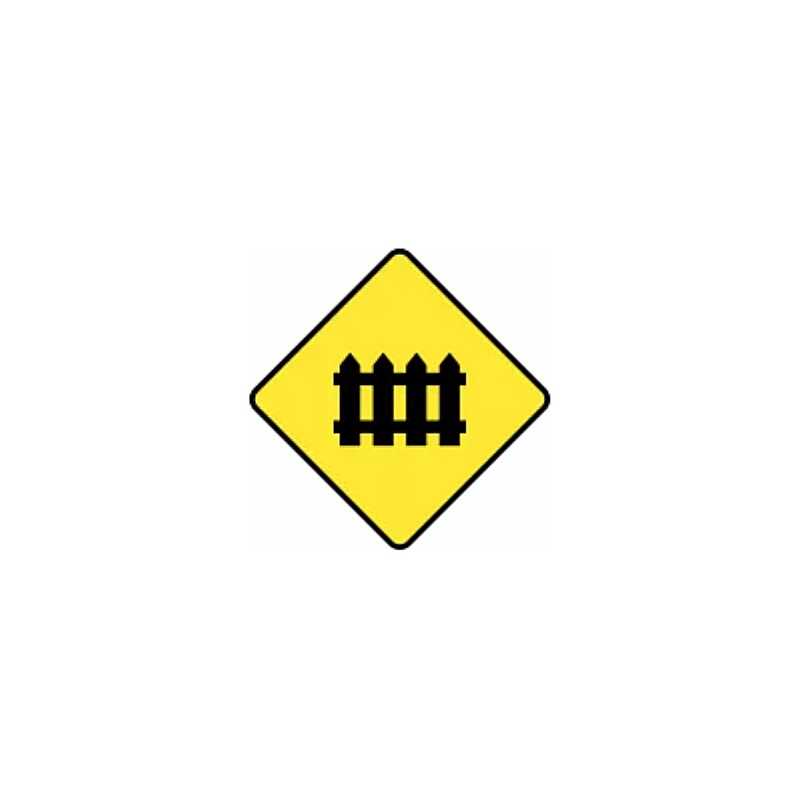
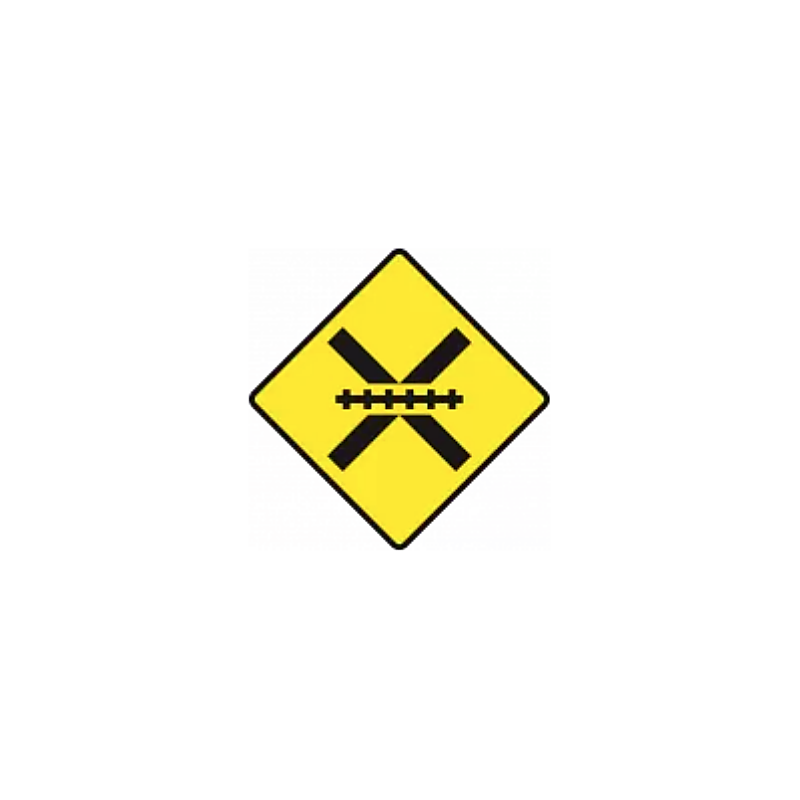
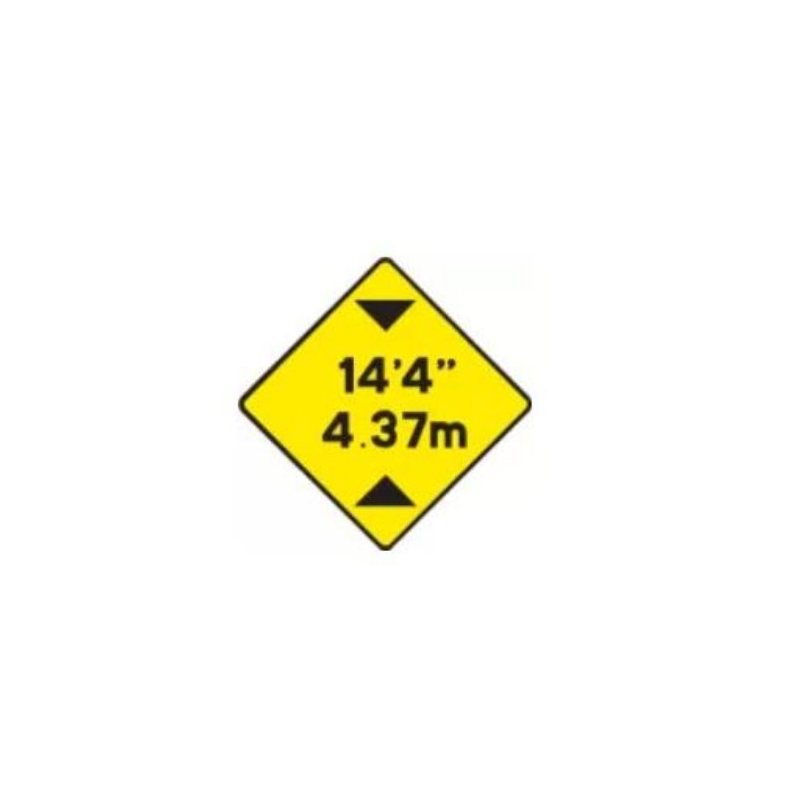
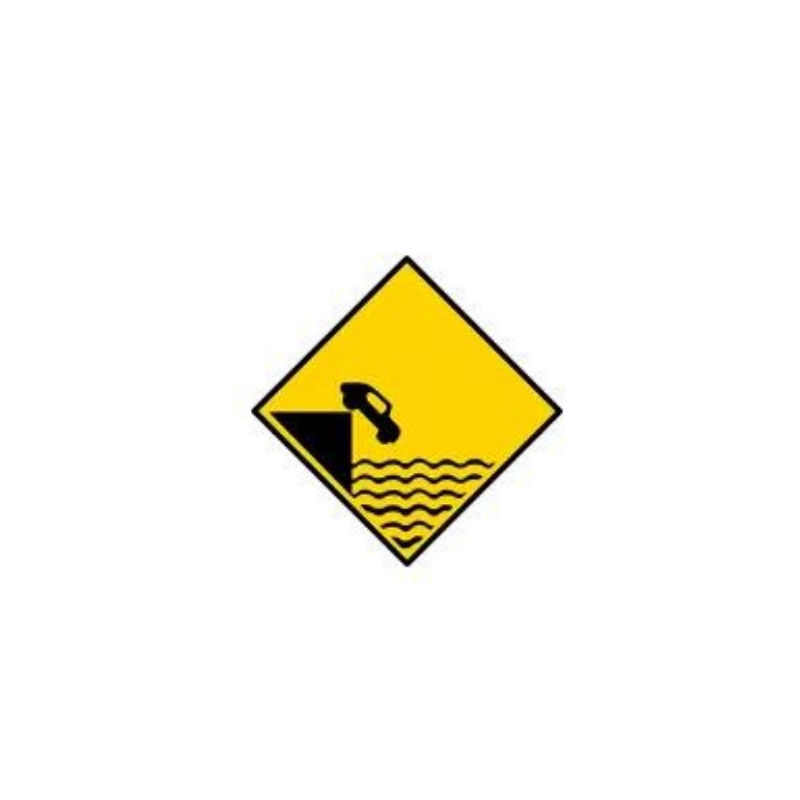
General warning signs cover a broad range of hazards — from sharp bends and steep hills to animals on the road, slippery surfaces, and level crossings. These are among the most frequently tested signs in the RSA Driver Theory Test.
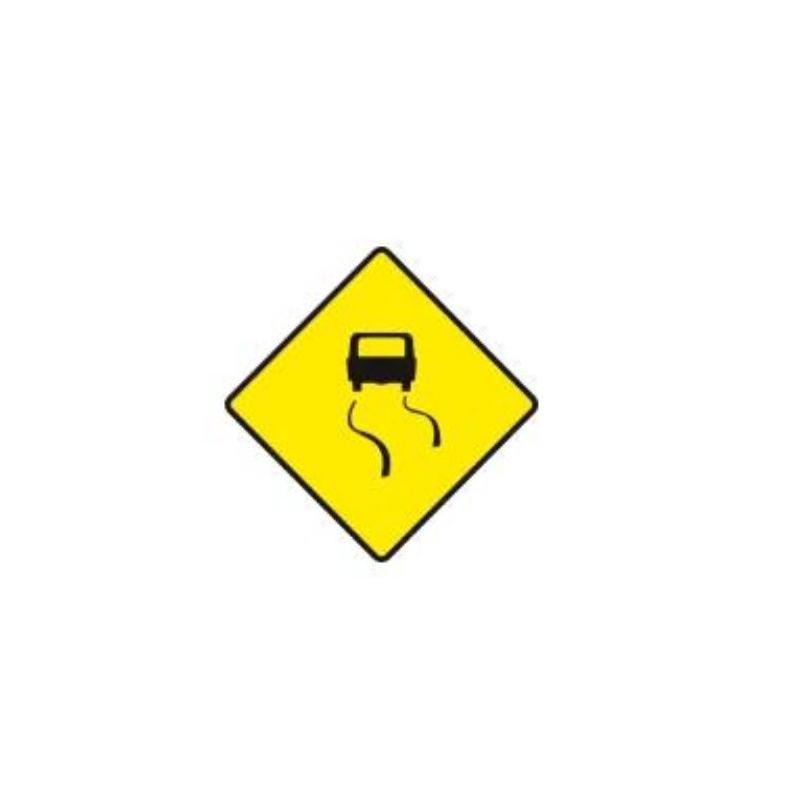
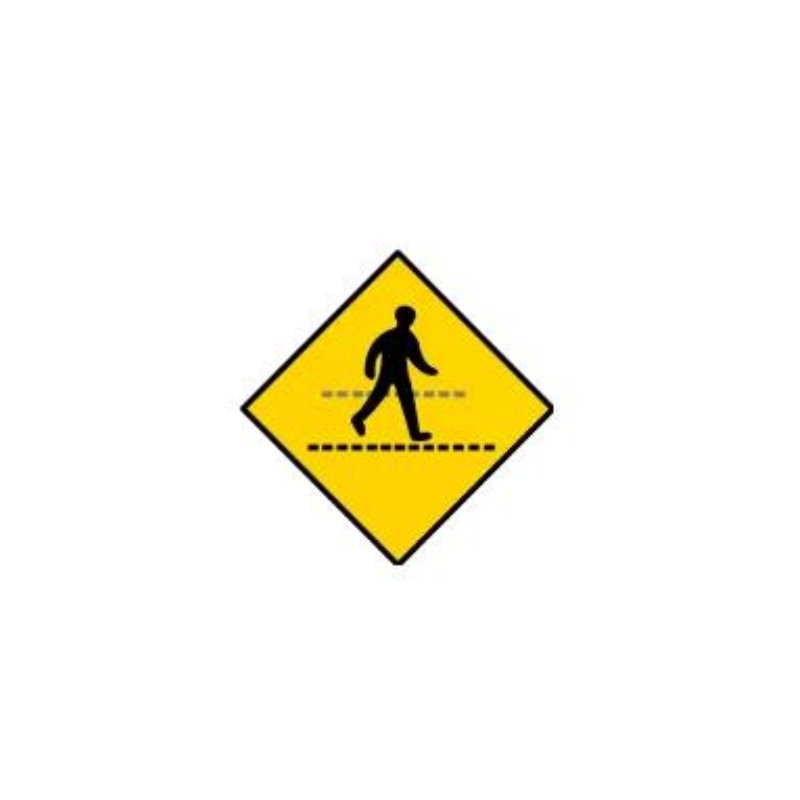
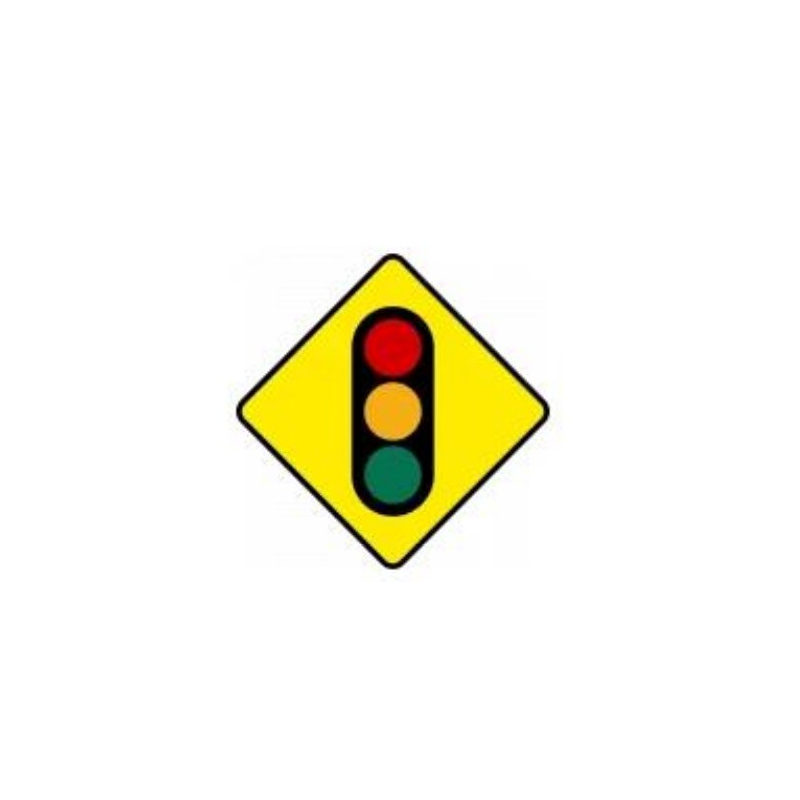
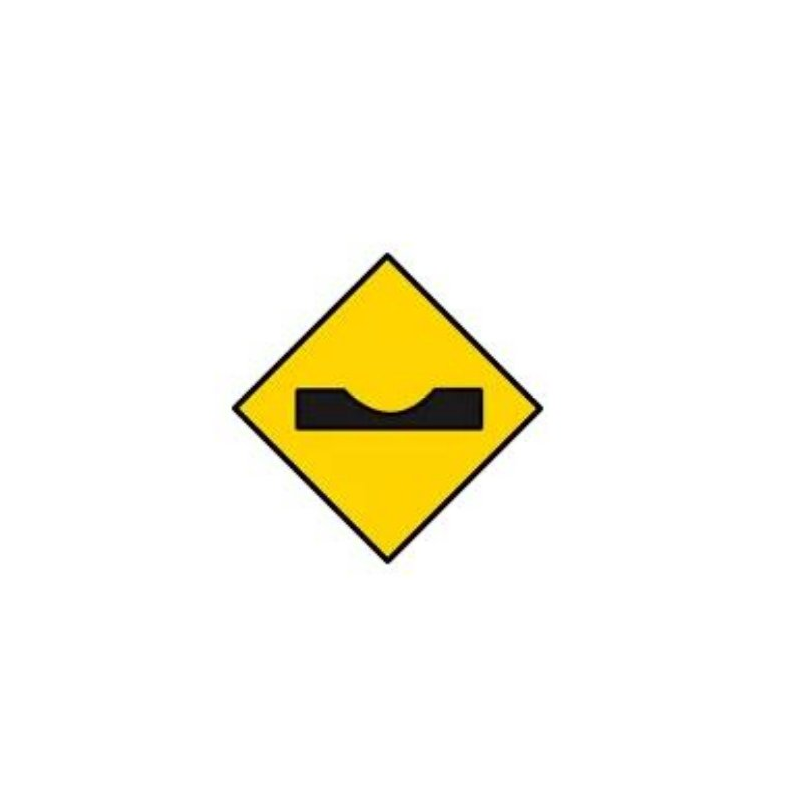
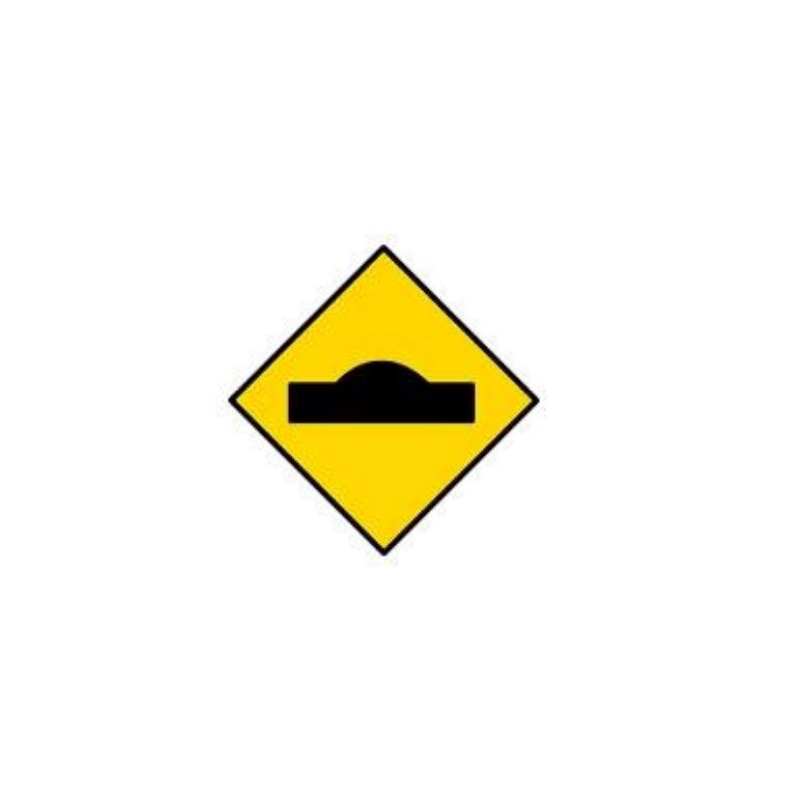
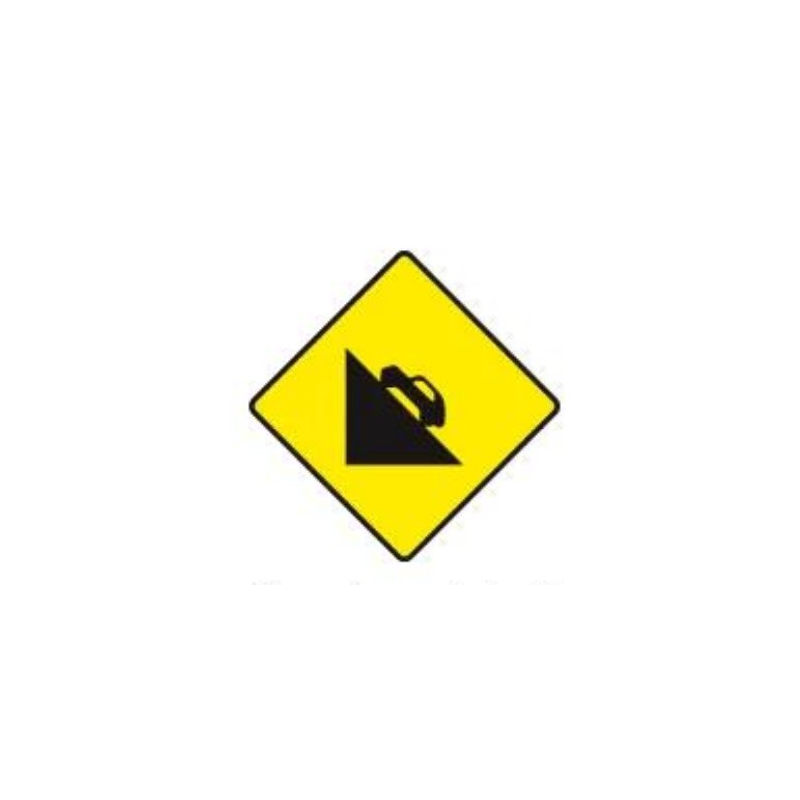
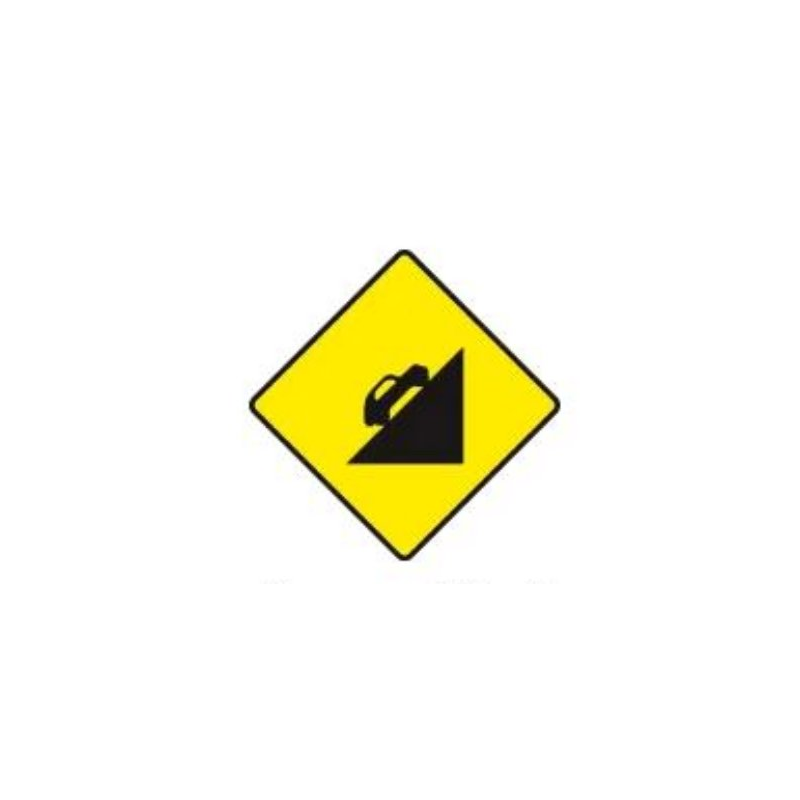
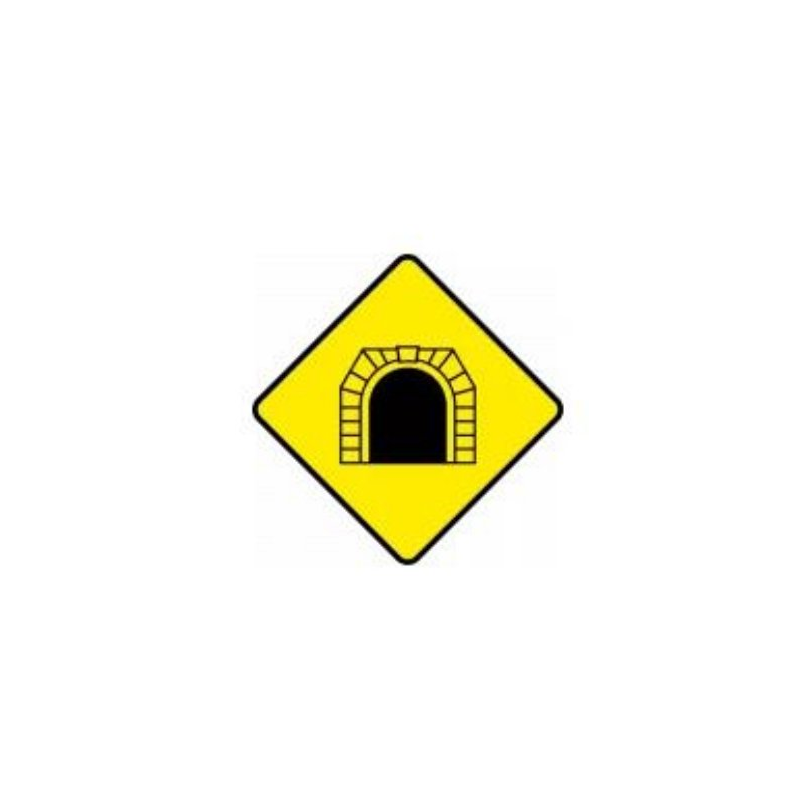
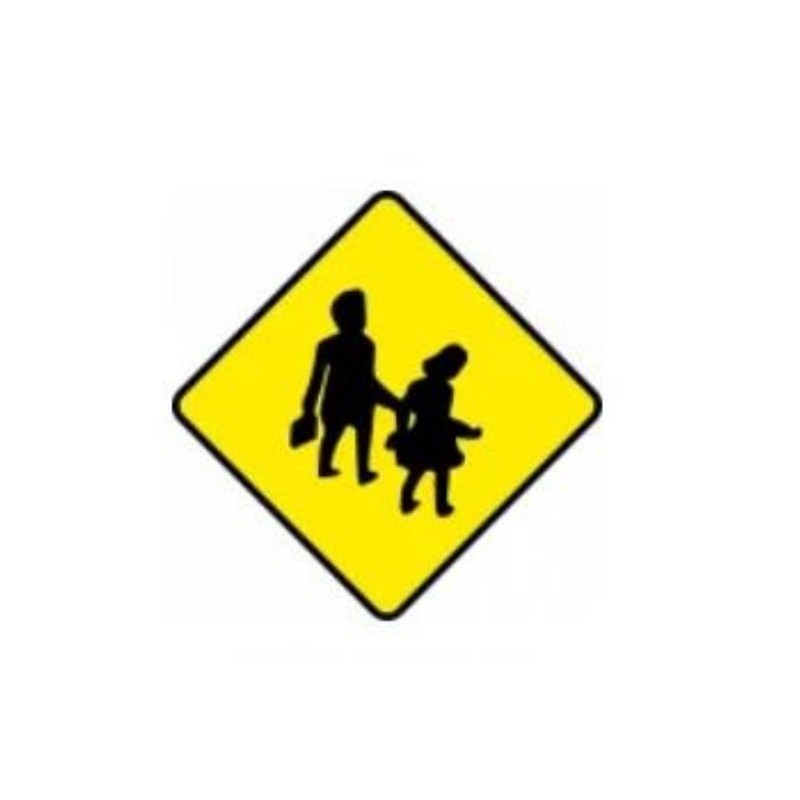
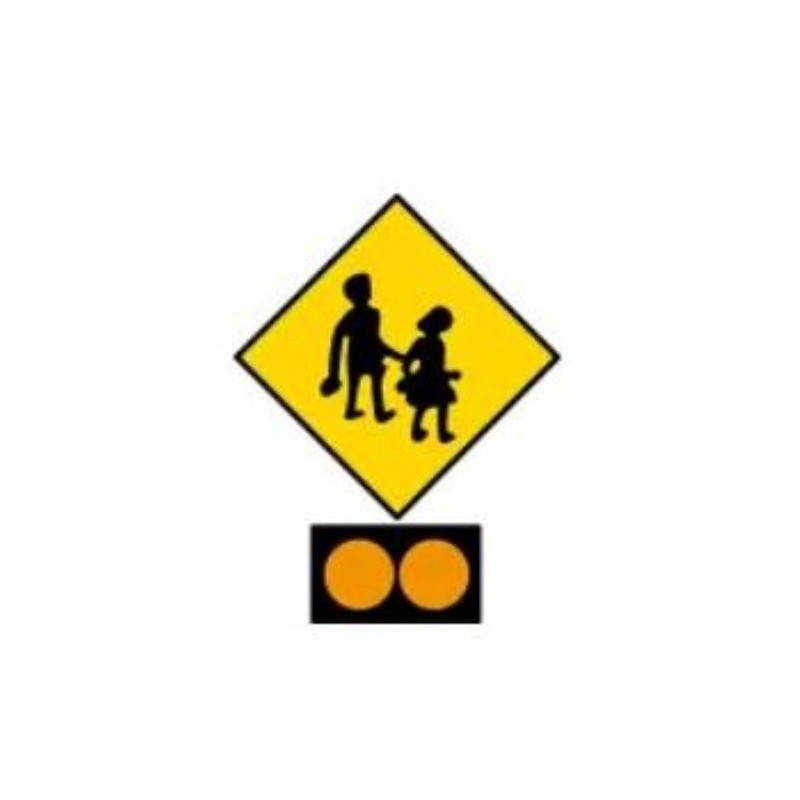
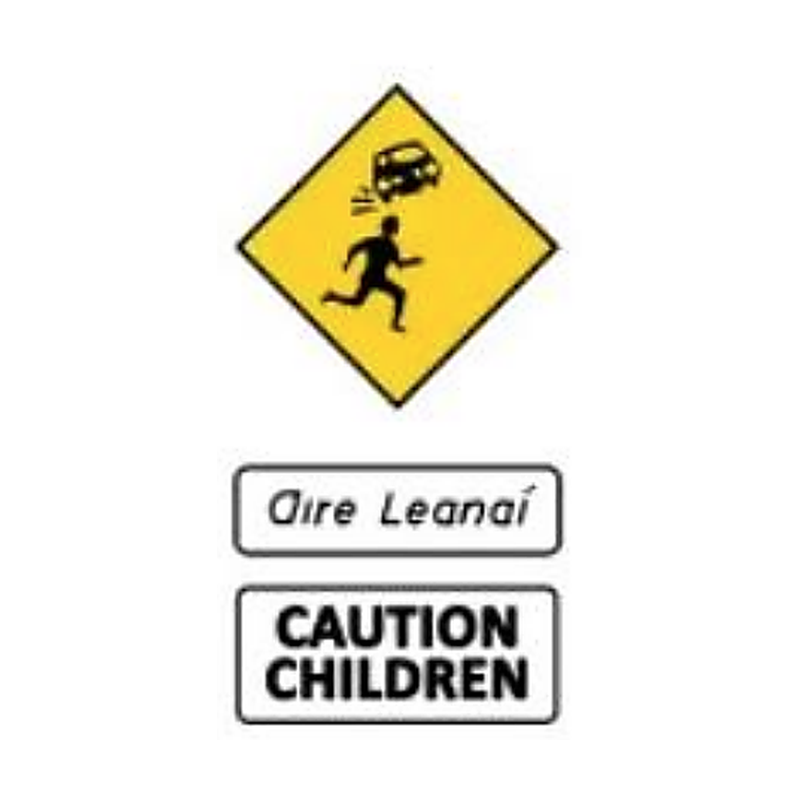
Warning Signs for Schools and Children
School warning signs are placed near schools, playgrounds, and residential areas with high child pedestrian activity. Extra care is required in these zones, particularly at school arrival and departure times.
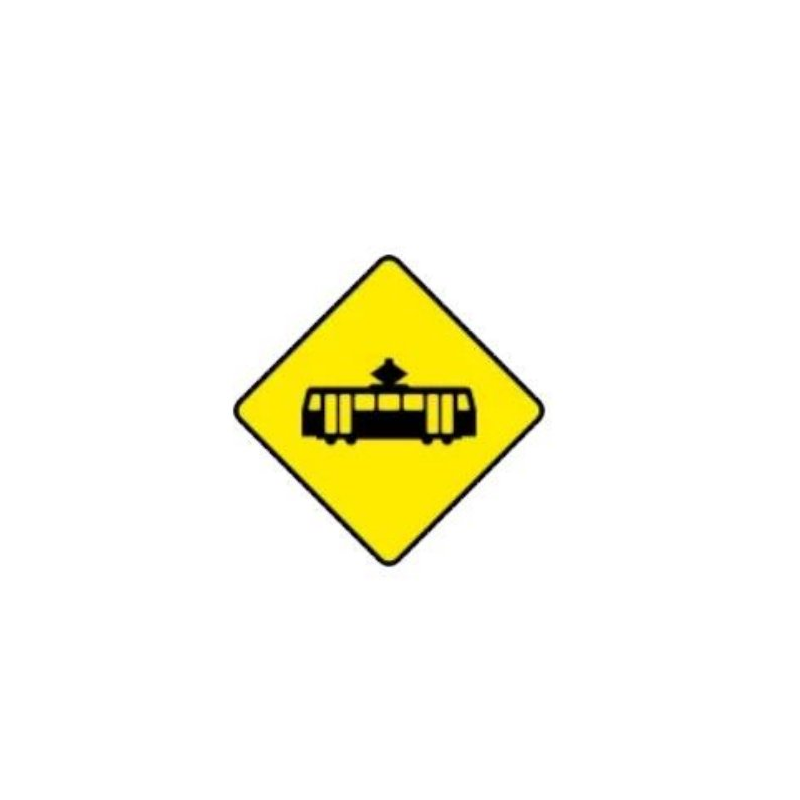
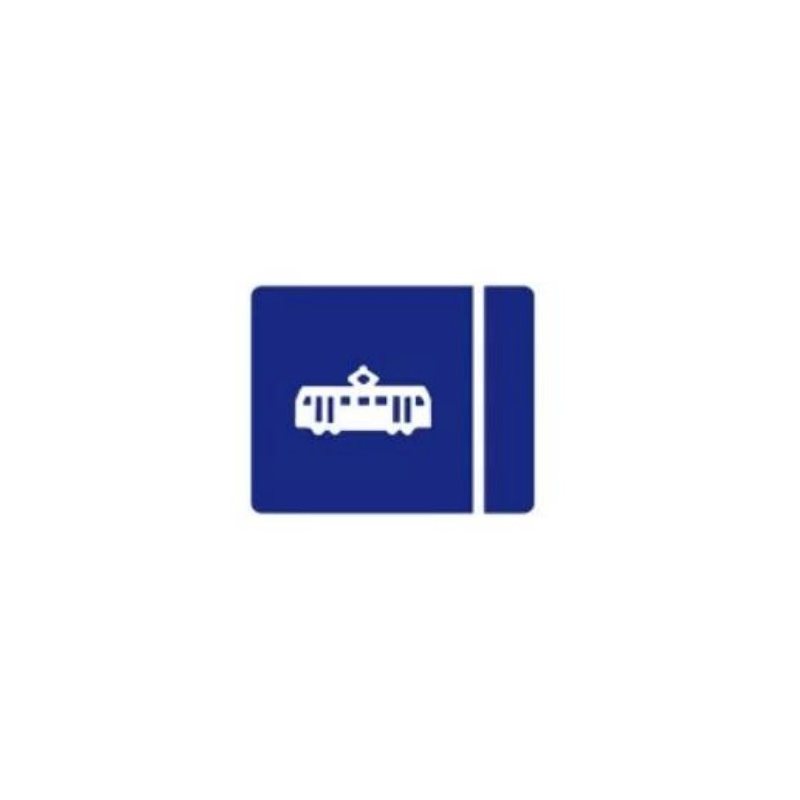
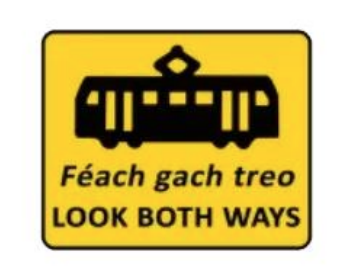
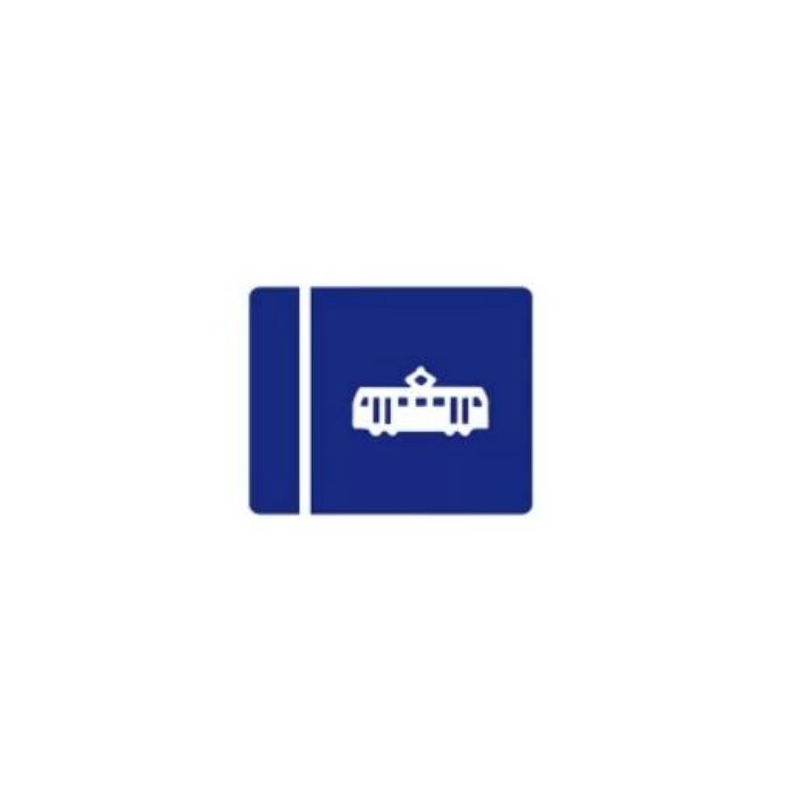
Tram Warning Signs
Tram signs are relevant primarily in Dublin city, where the Luas tram network crosses multiple roads. When you see a tram warning sign you must slow down, look in both directions along the tram track, and only cross when it is completely safe to do so.
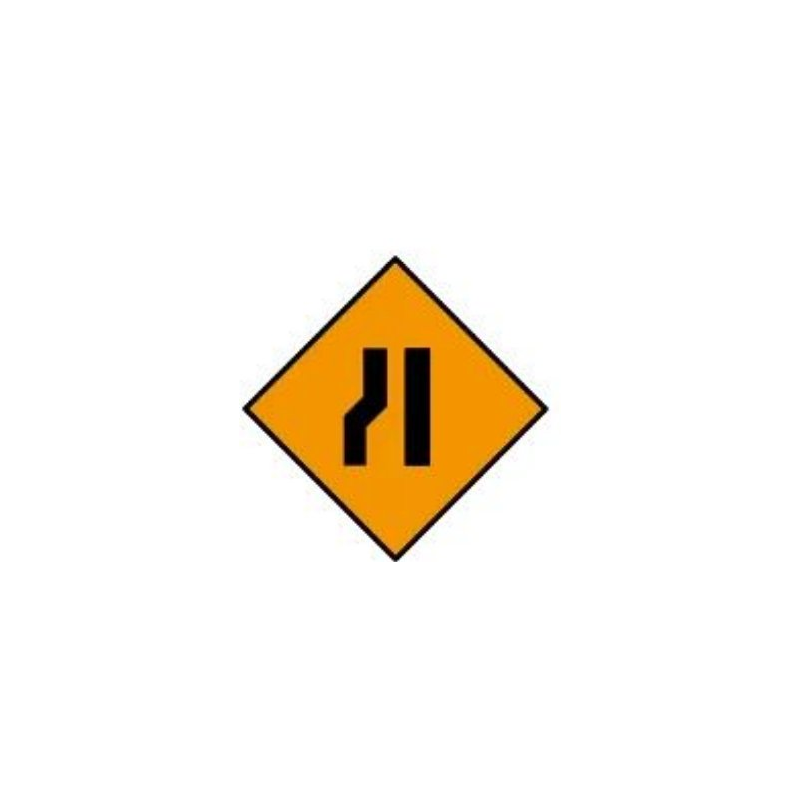
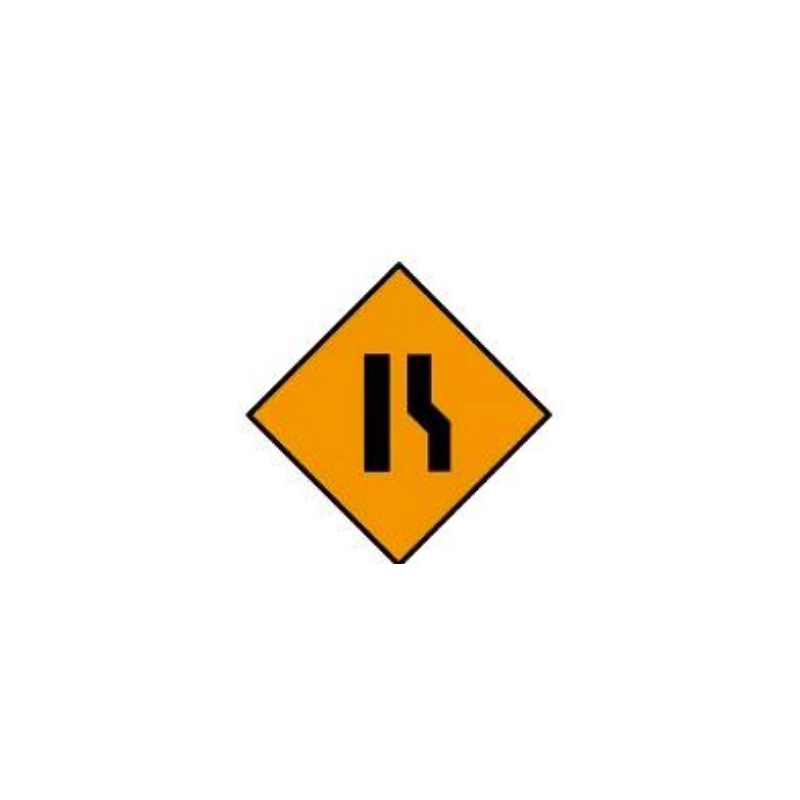
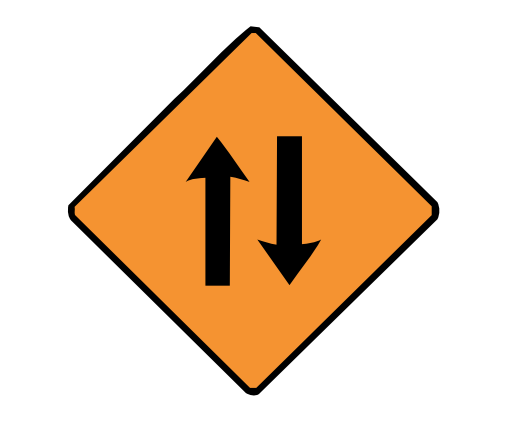
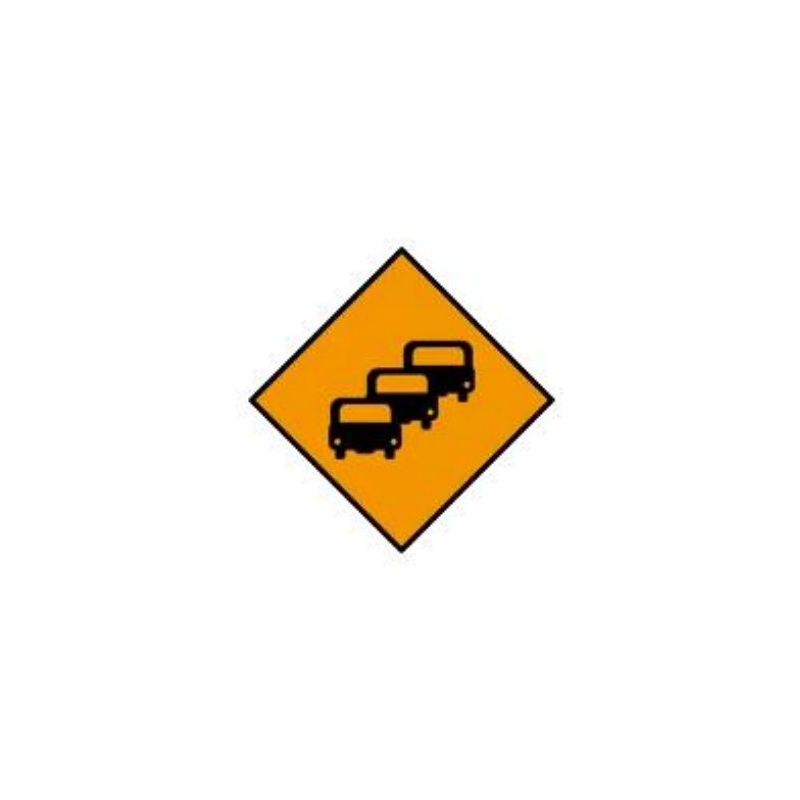
Roadwork Warning & Information Signs
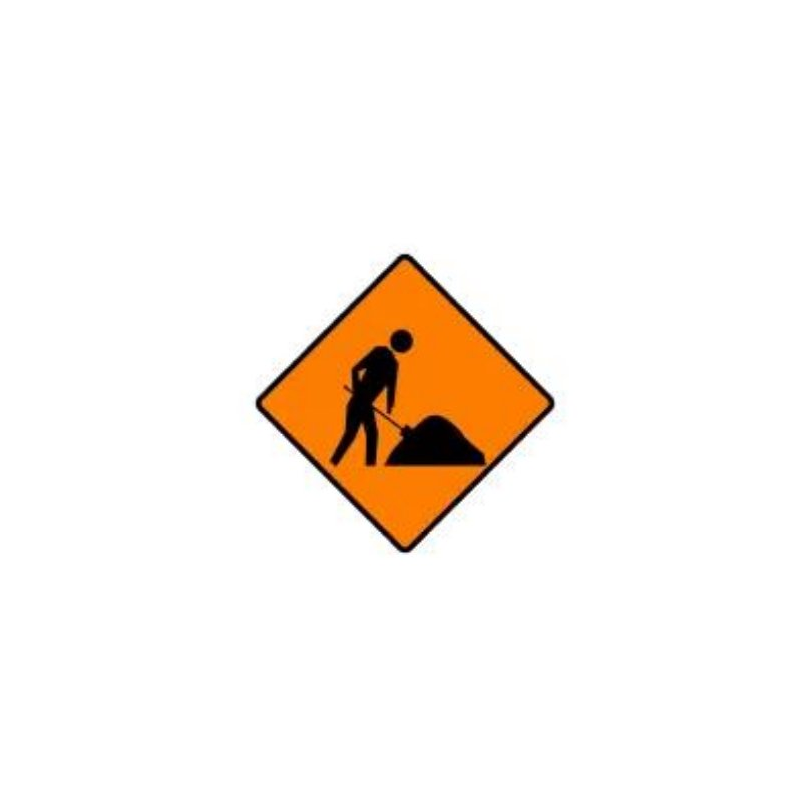
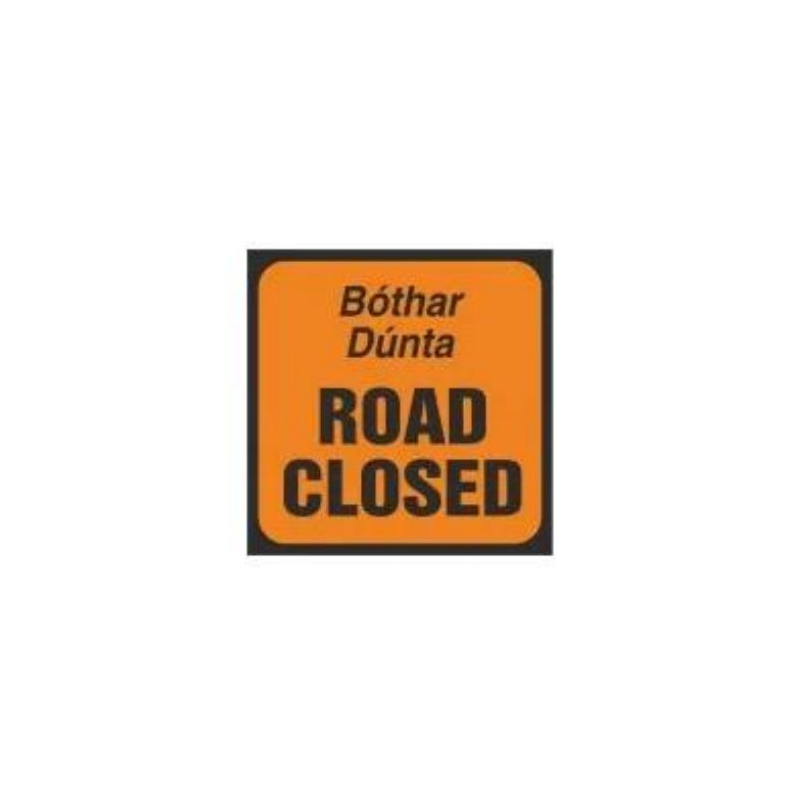
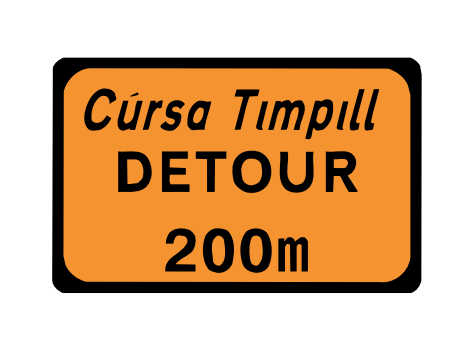
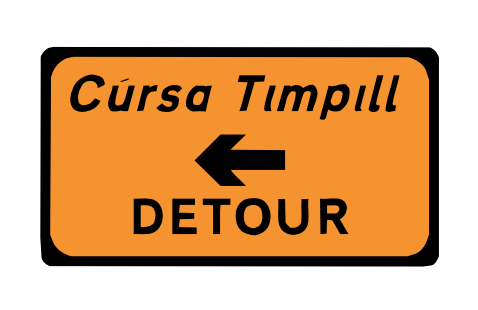
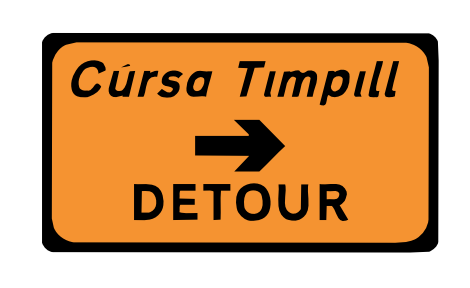
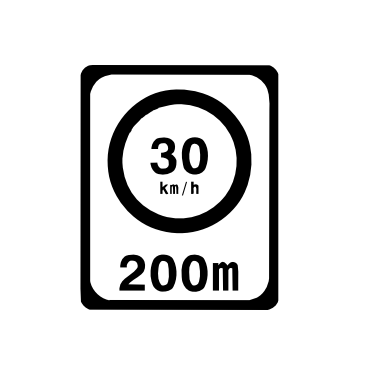
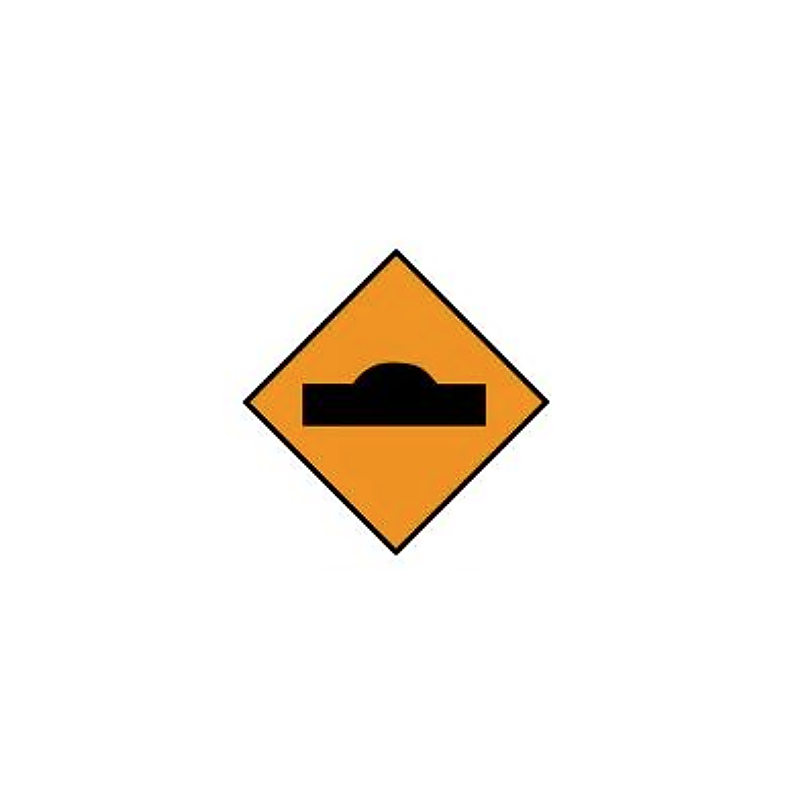
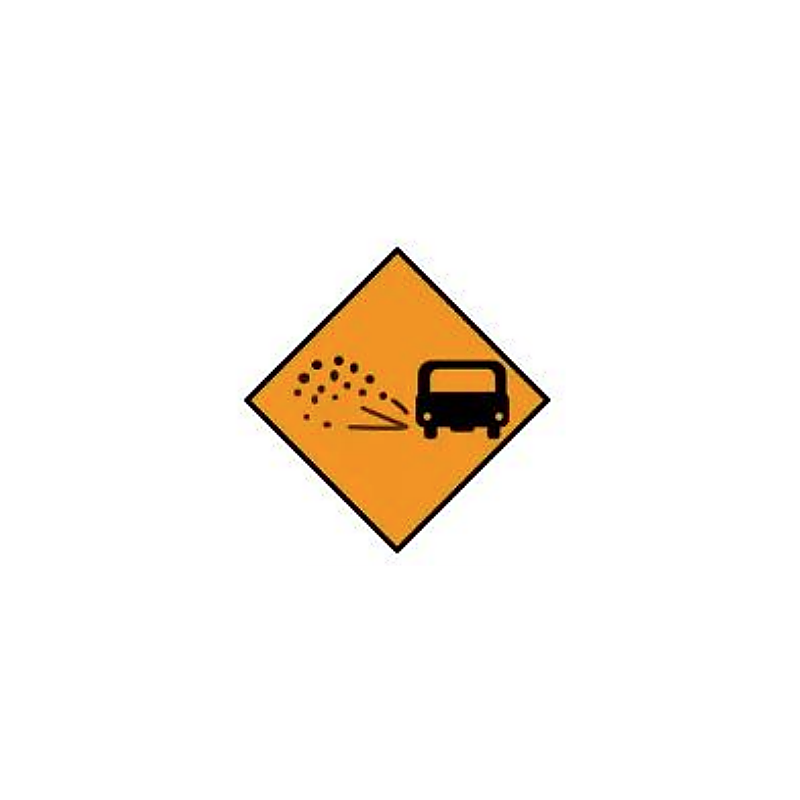
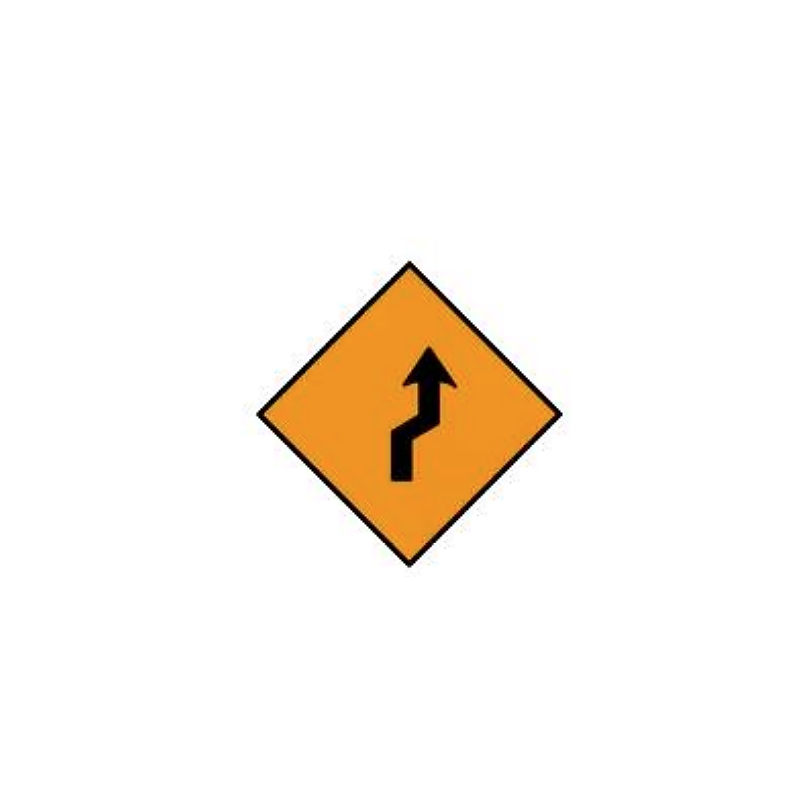
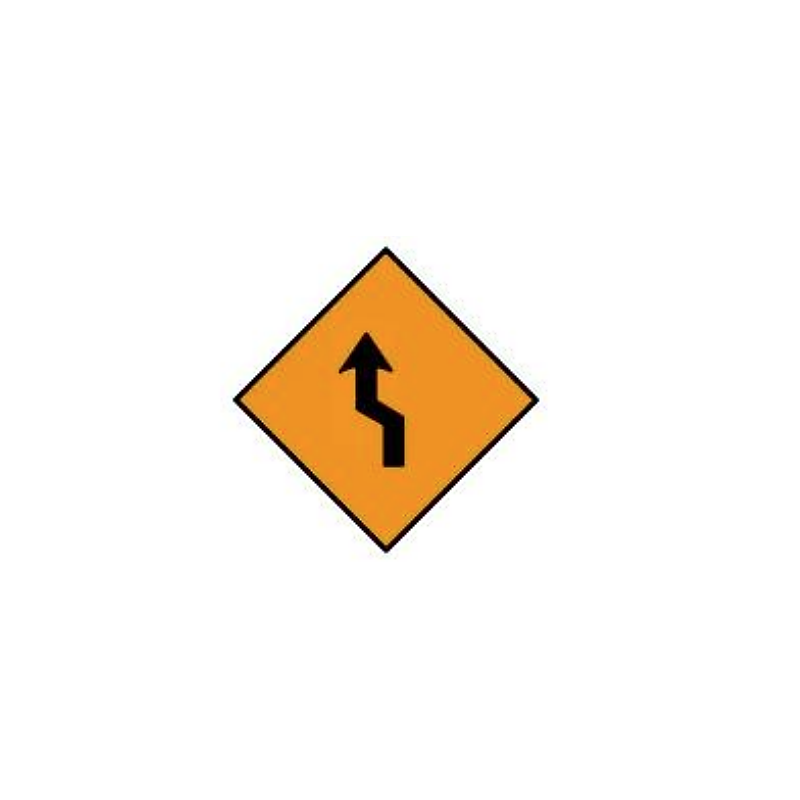
Roadwork signs use an orange background rather than yellow to distinguish them from permanent warning signs. They are temporary and indicate that road conditions have changed due to construction or maintenance. Always obey temporary speed limits — they carry the same legal force as permanent limits.
Learning to drive in North Dublin?
BP Driving School covers Swords, Malahide, Portmarnock, Santry, Raheny and surrounding areas.
Regulatory Signs
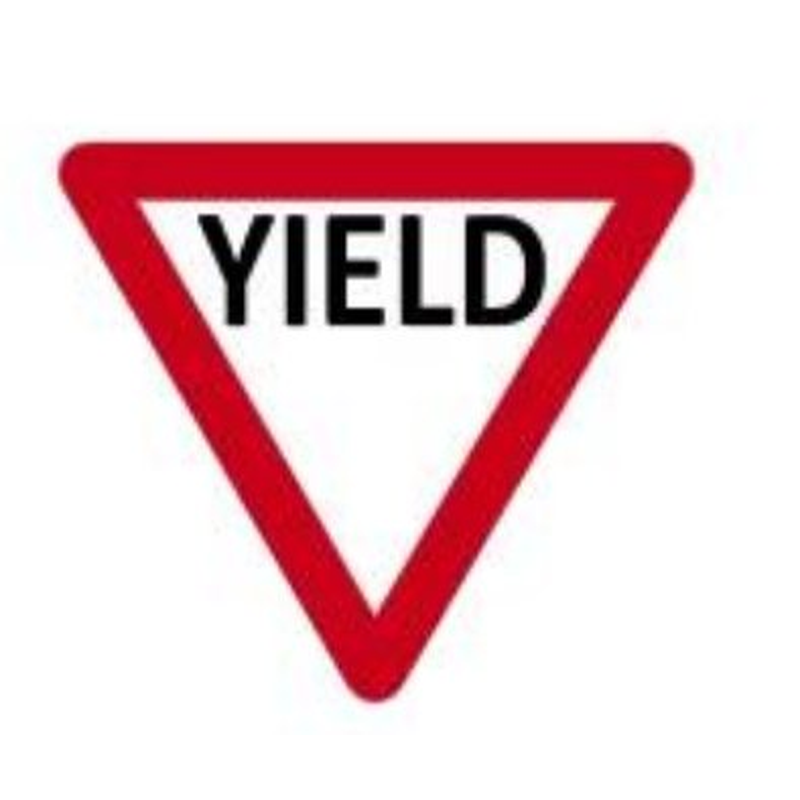
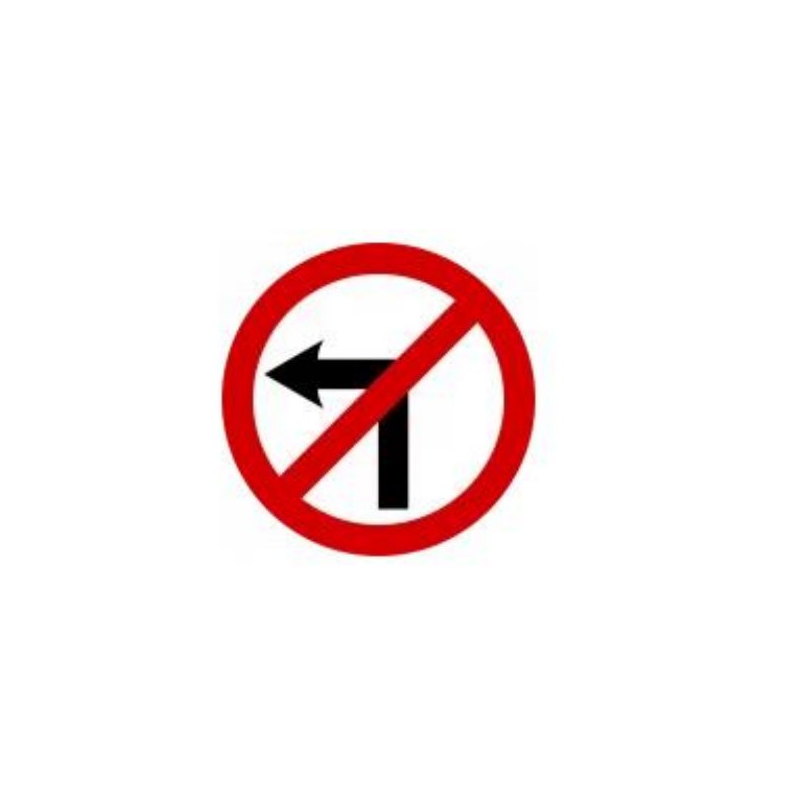
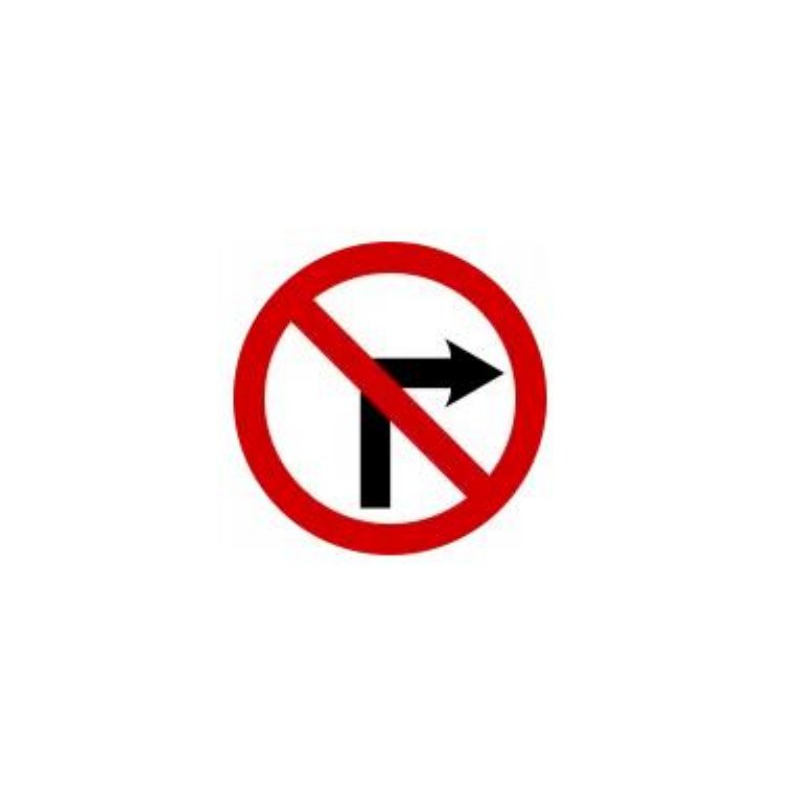
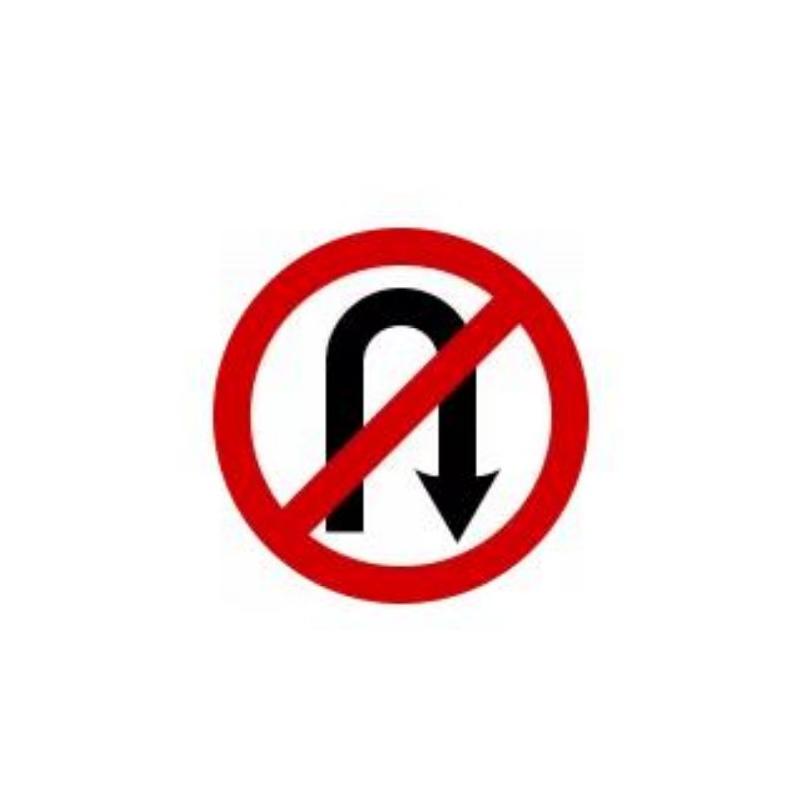
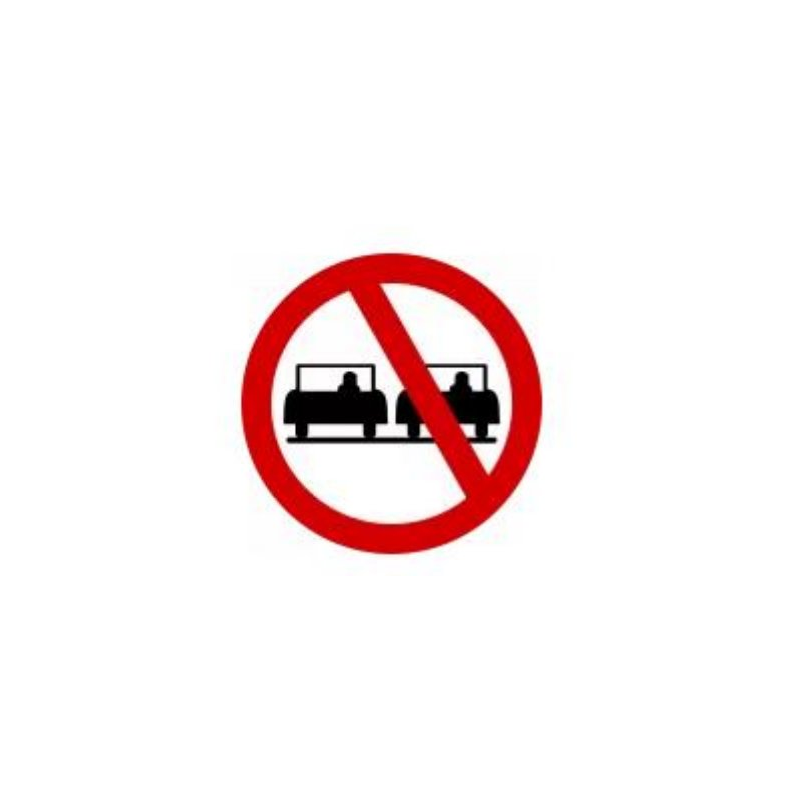
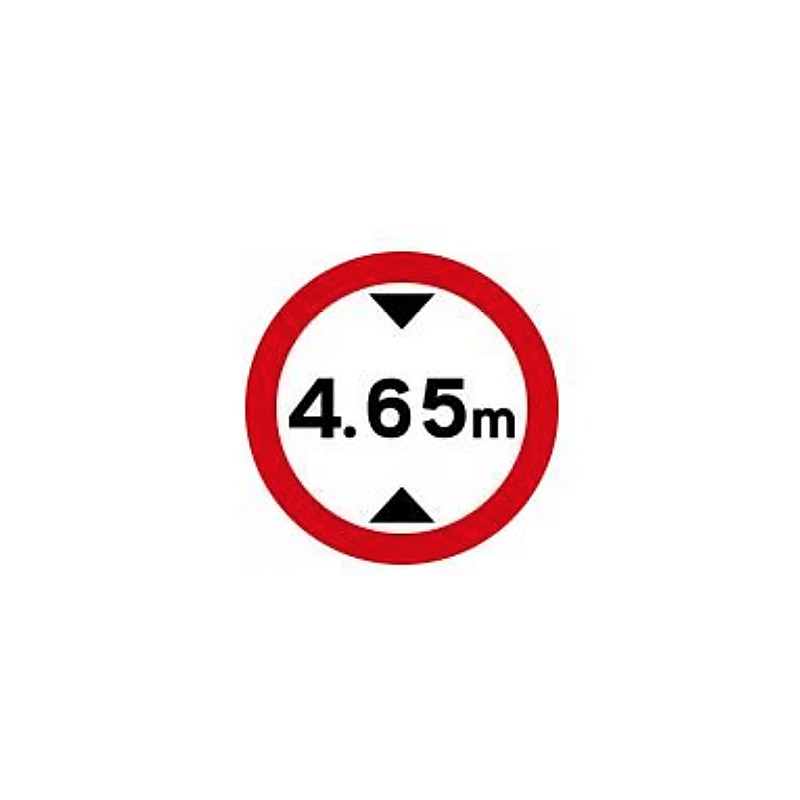
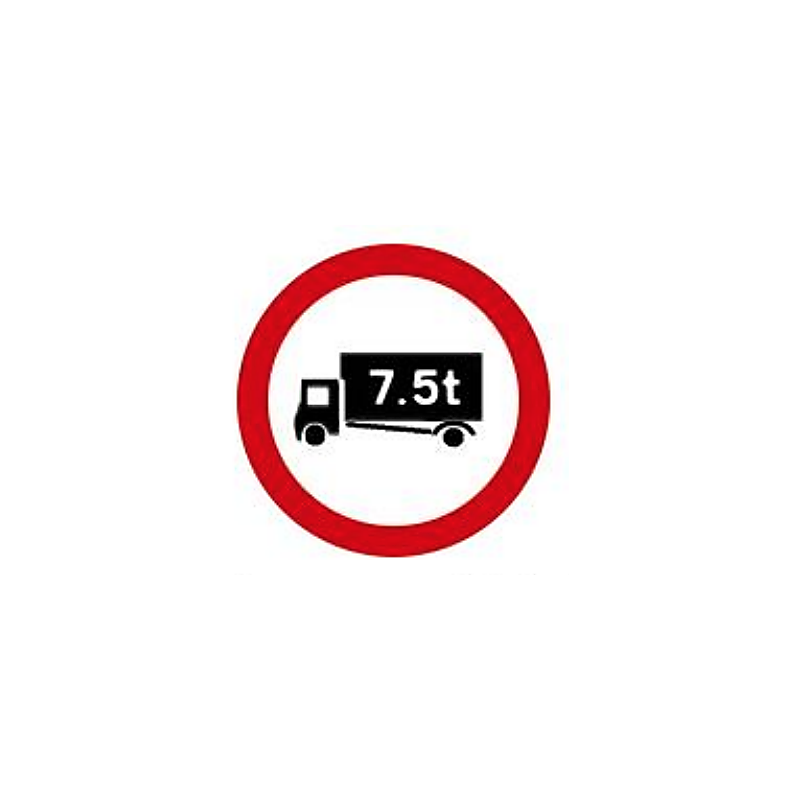
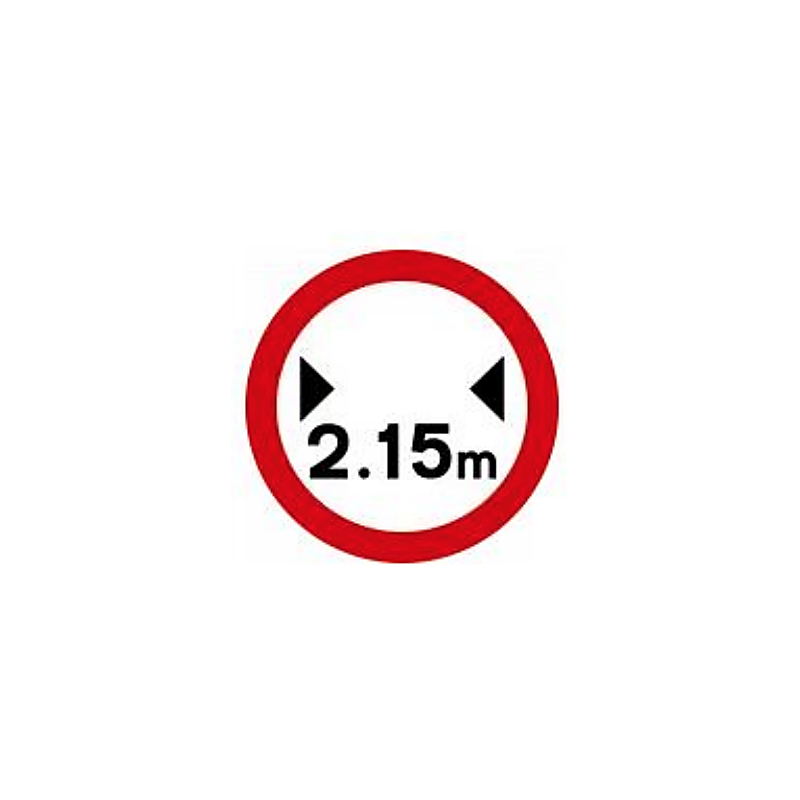
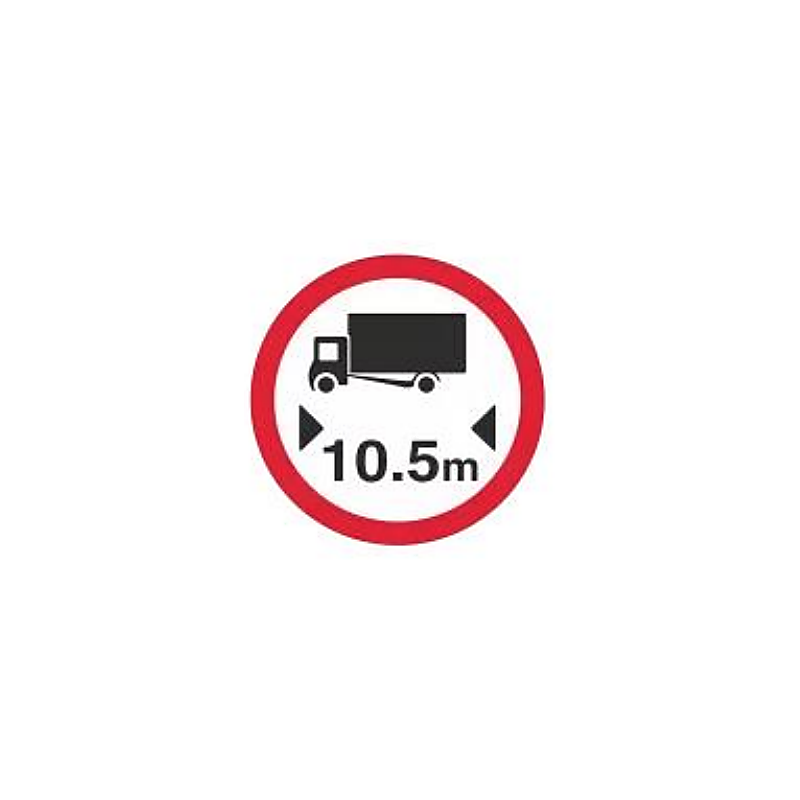
Red & White / Blue Circle — RegulatoryRegulatory signs impose legal obligations. Ignoring a regulatory sign is a road traffic offence and can result in penalty points, a fine, or an automatic fail on your driving test. Regulatory signs fall into two groups: prohibitory (circular, red border — what you must NOT do) and mandatory (circular, blue background — what you MUST do). The STOP and YIELD signs are special cases.
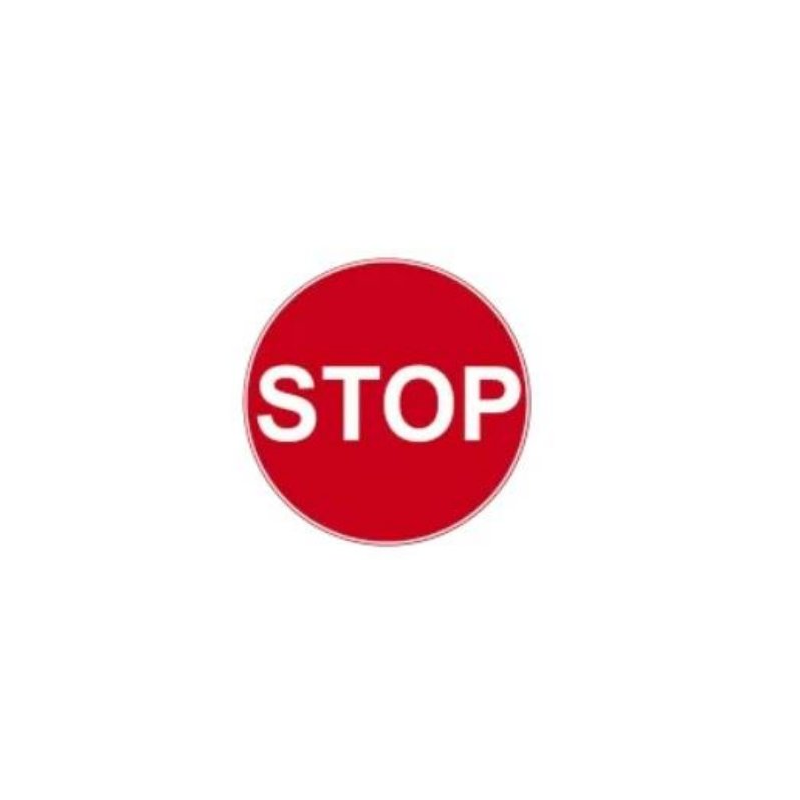
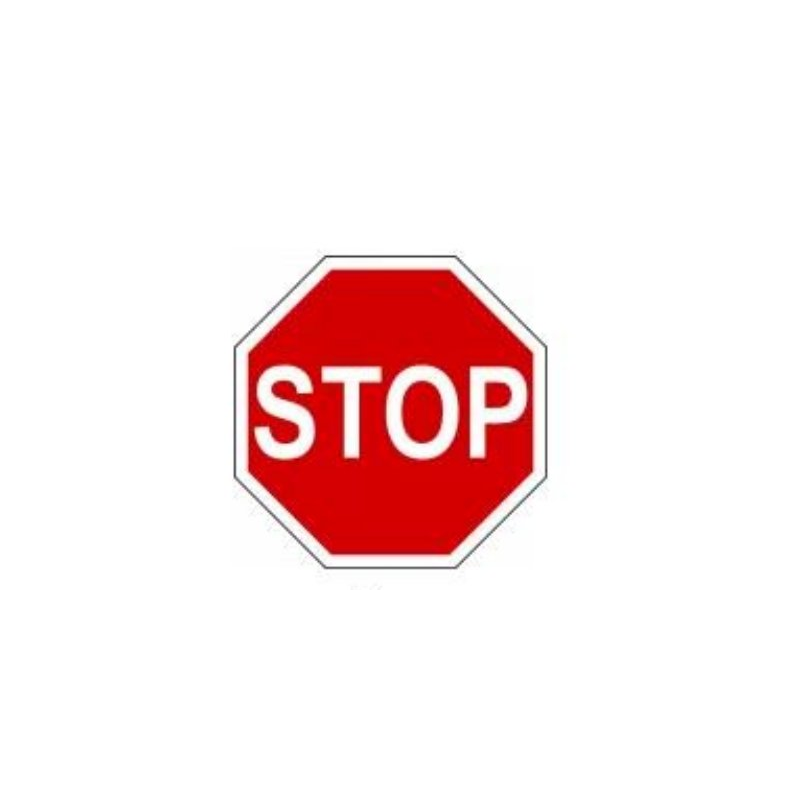
STOP and YIELD
These are the two most important regulatory signs. They are frequently tested on the theory test and are closely observed during the driving test.
Speed Limit Signs
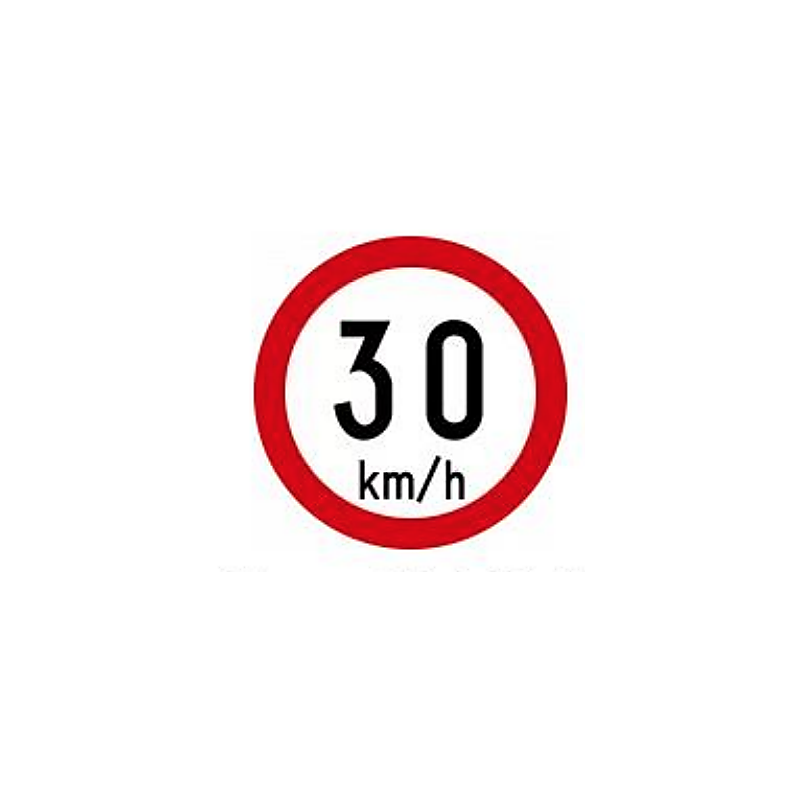
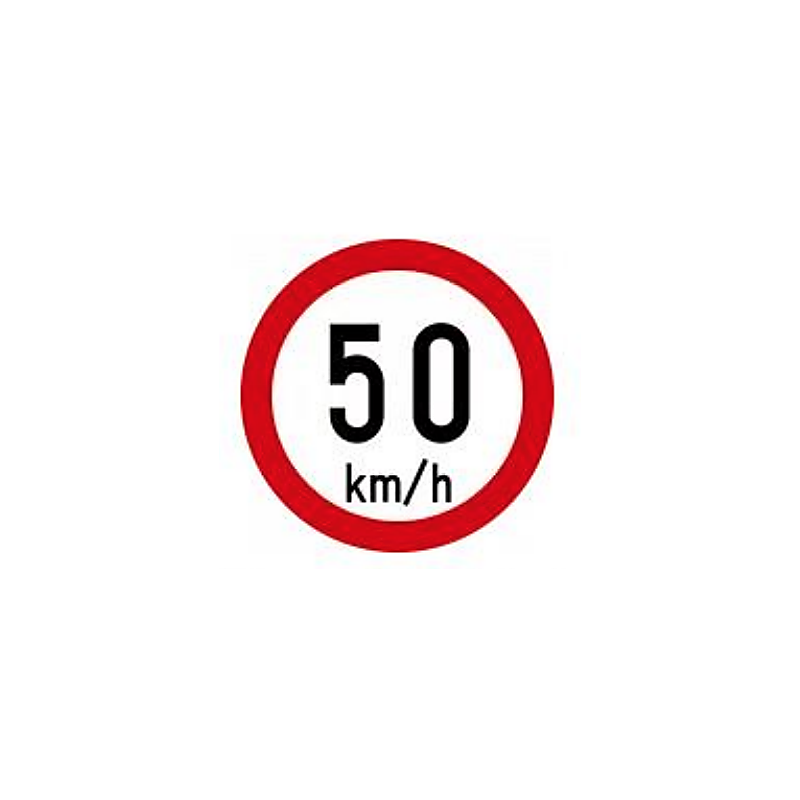
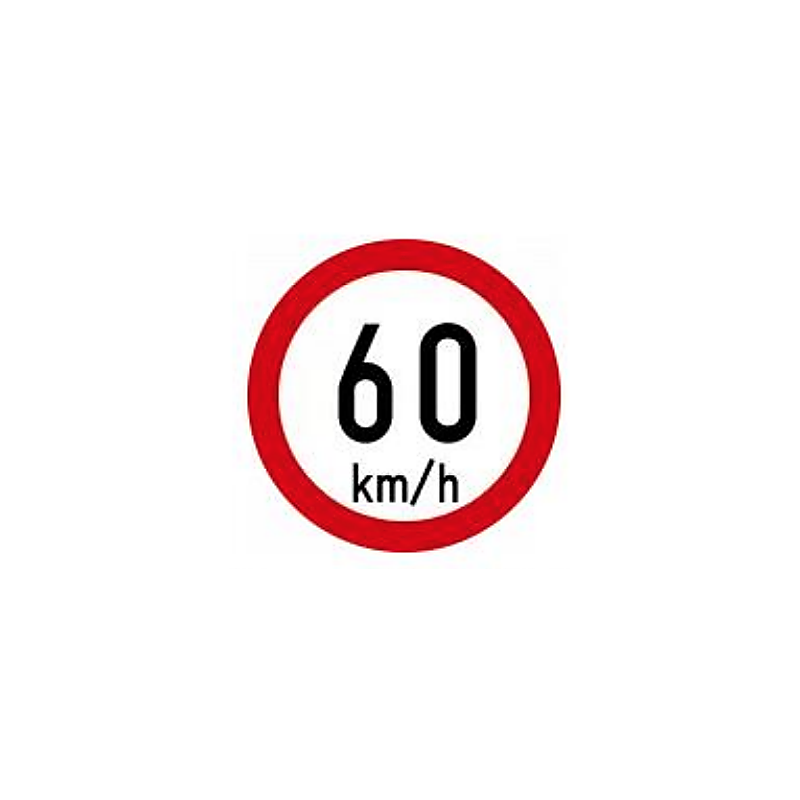
Speed limit signs in Ireland are circular with a red border and white background. The number inside shows the maximum speed in kilometres per hour (km/h). These are not targets — they are legal maximums, and in poor conditions you must drive well below the posted limit.
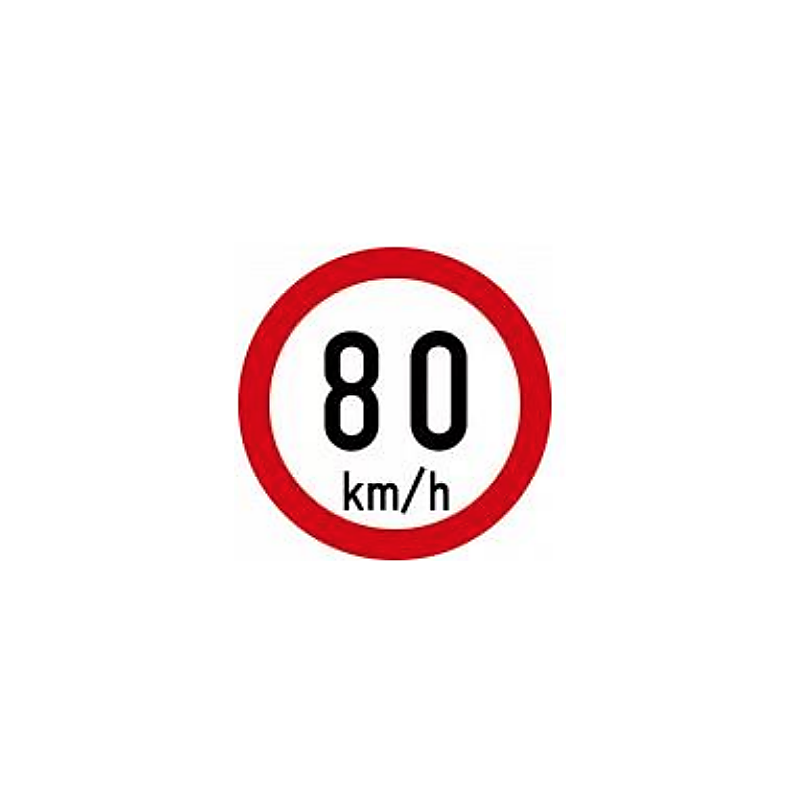
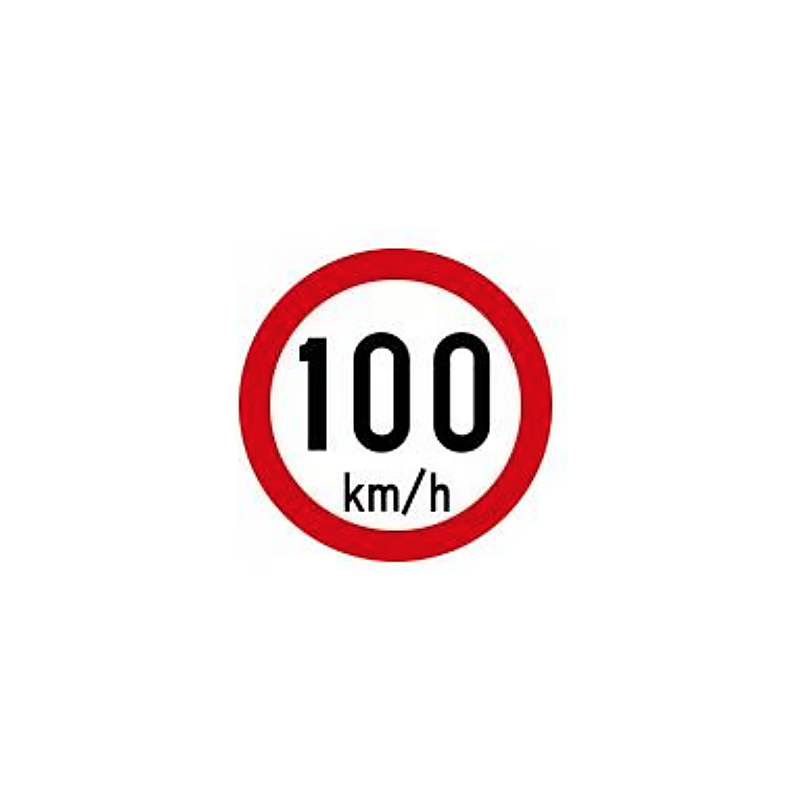
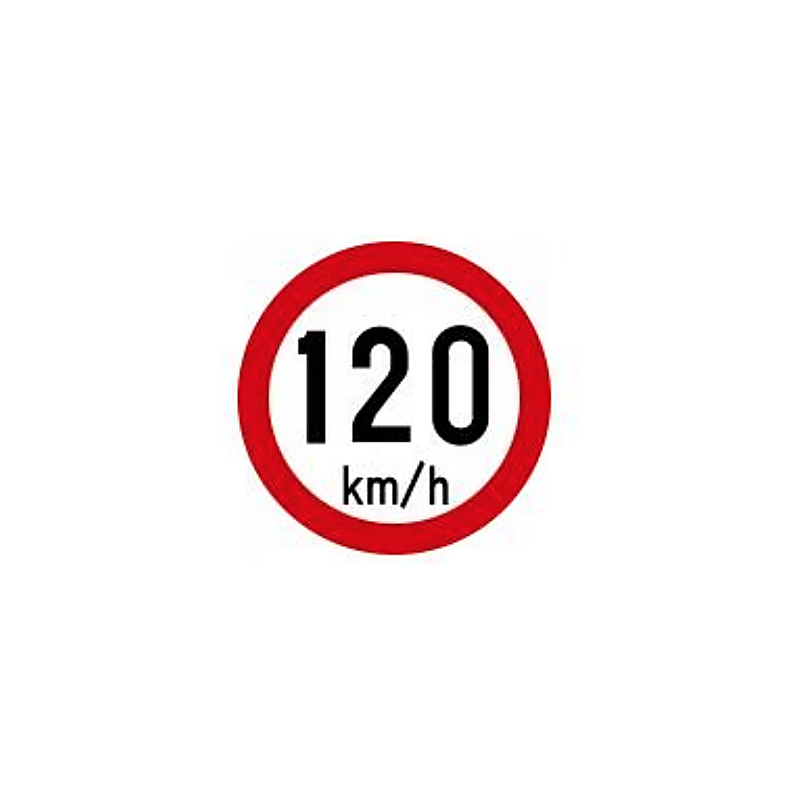
Prohibitory Signs — What You Must NOT Do
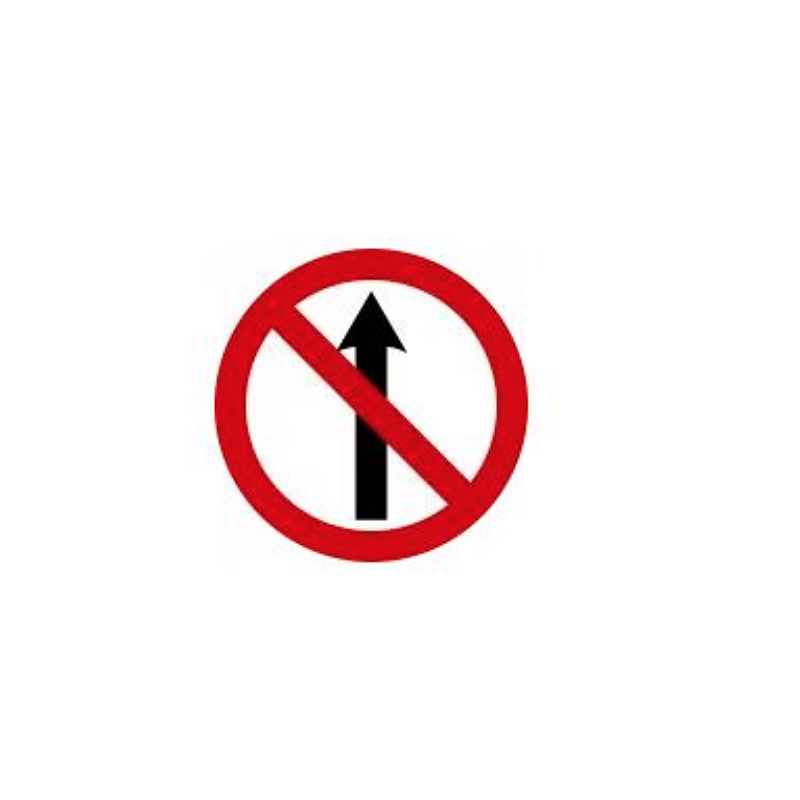
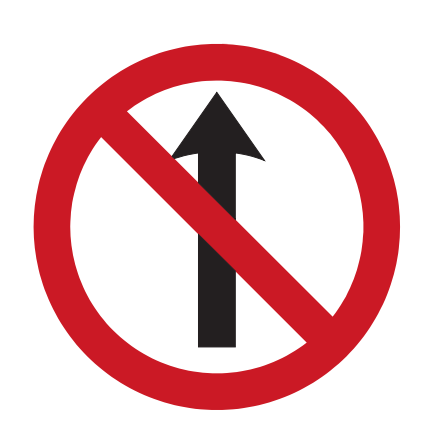
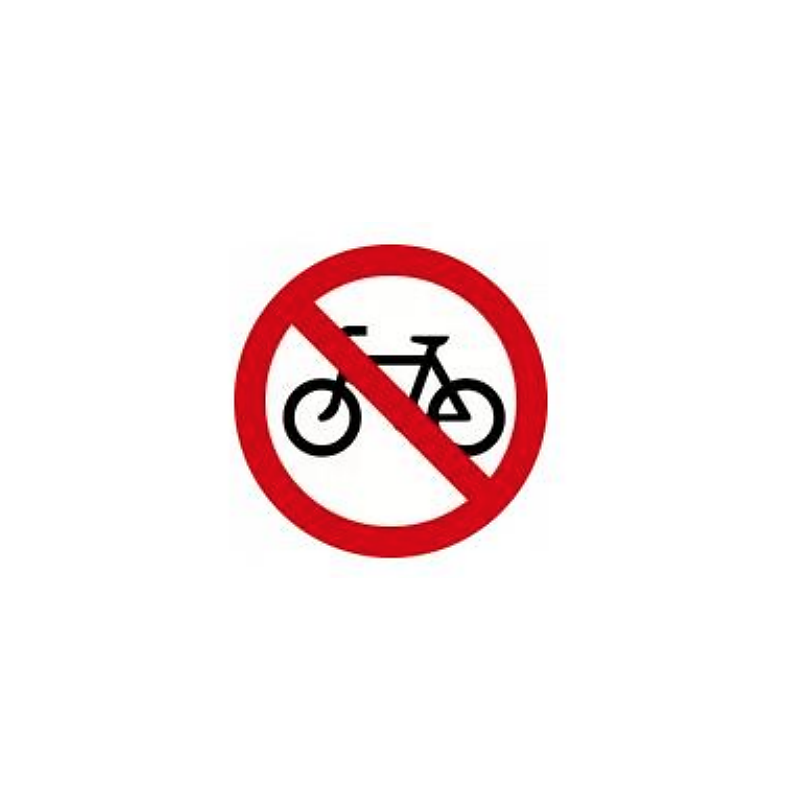
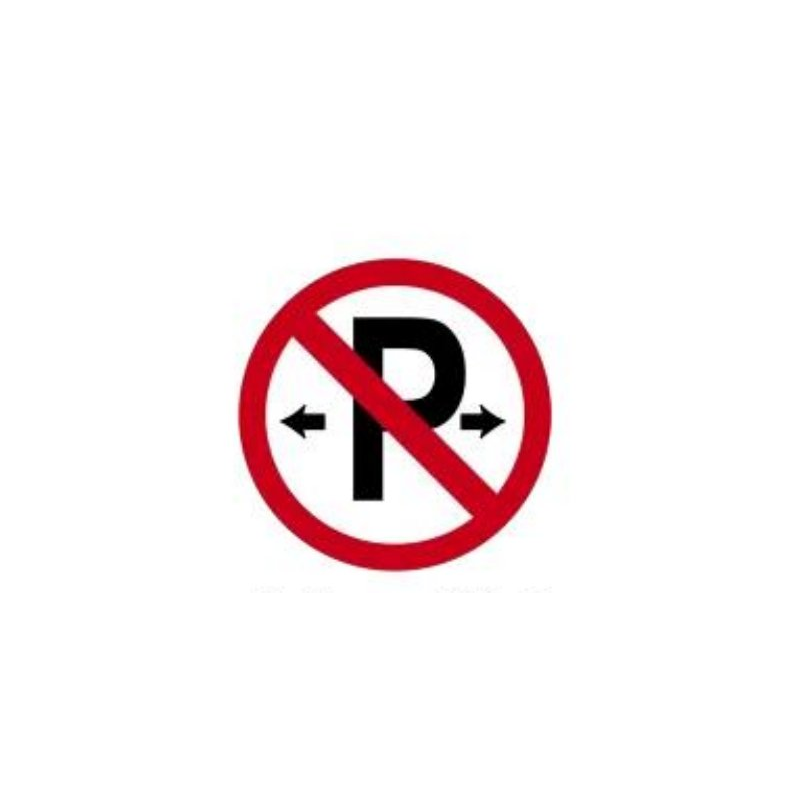
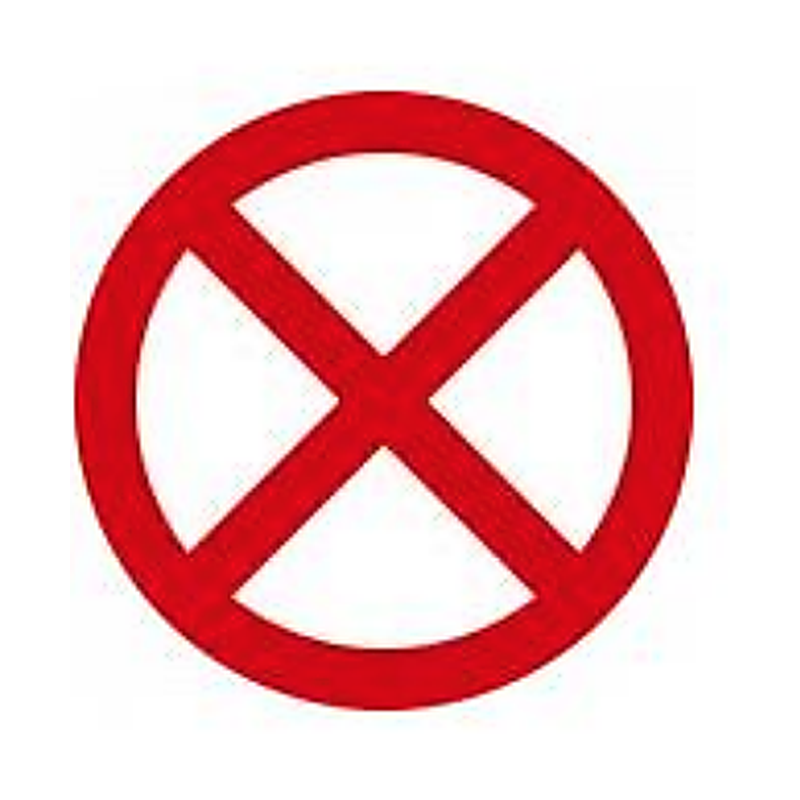
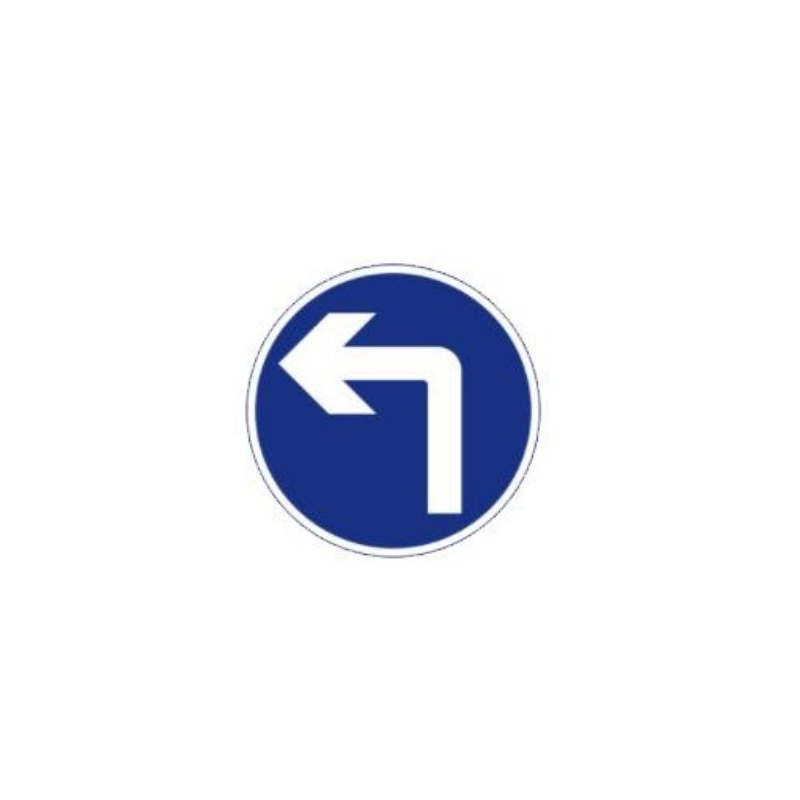
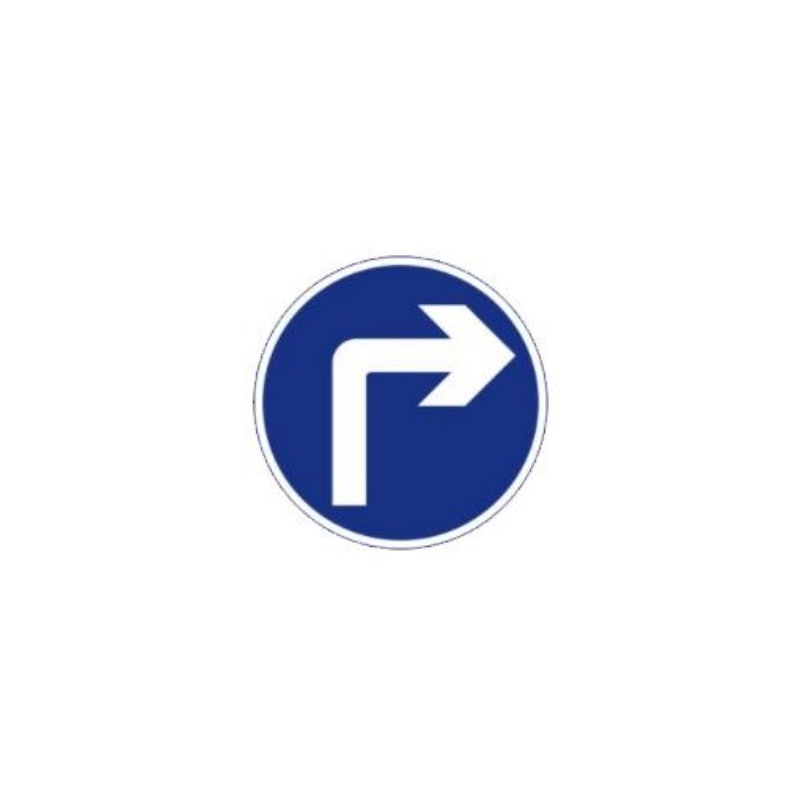
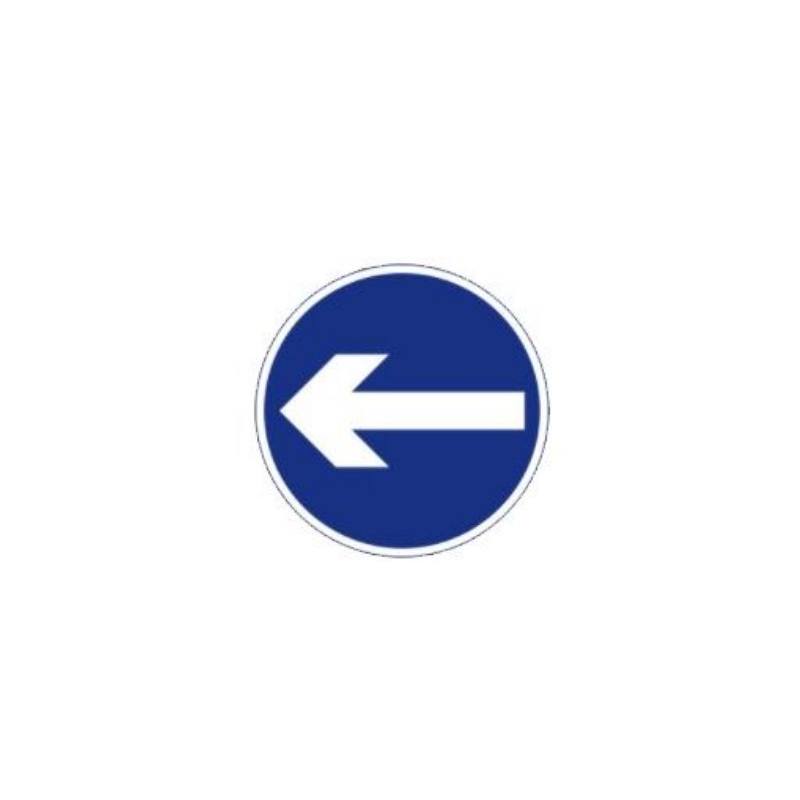
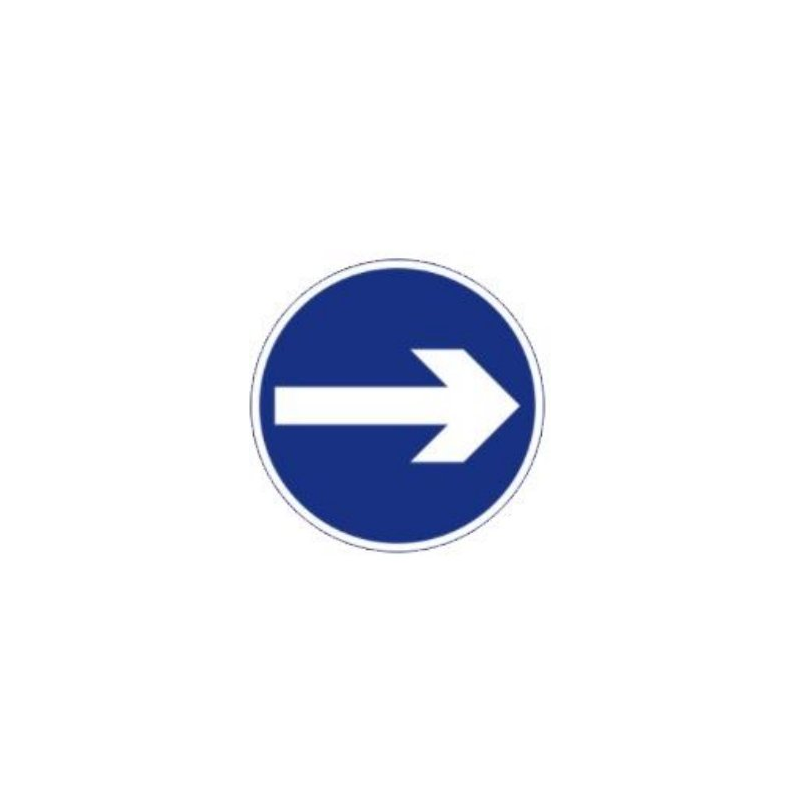
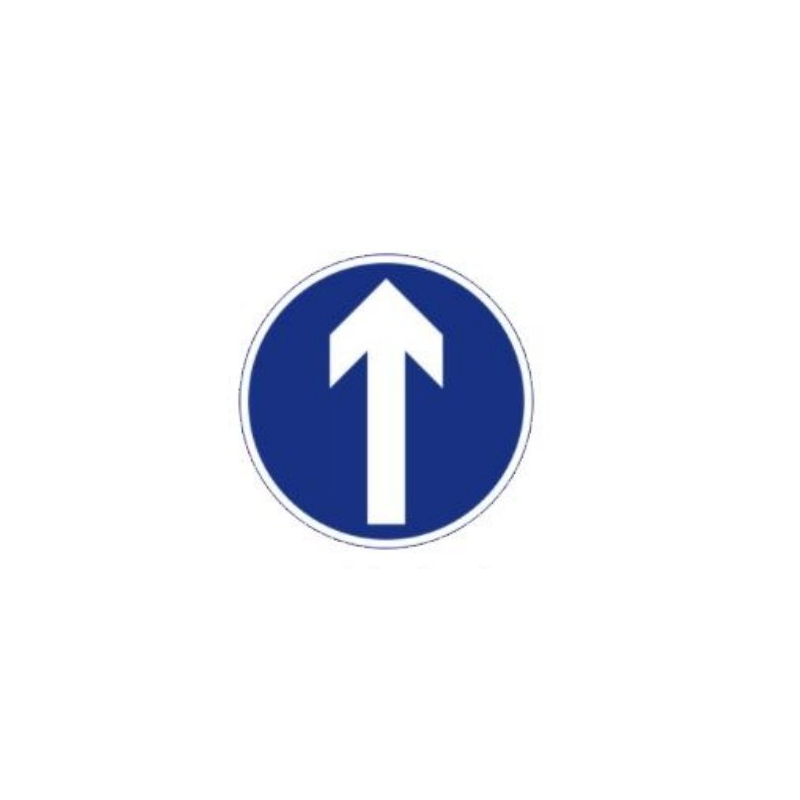
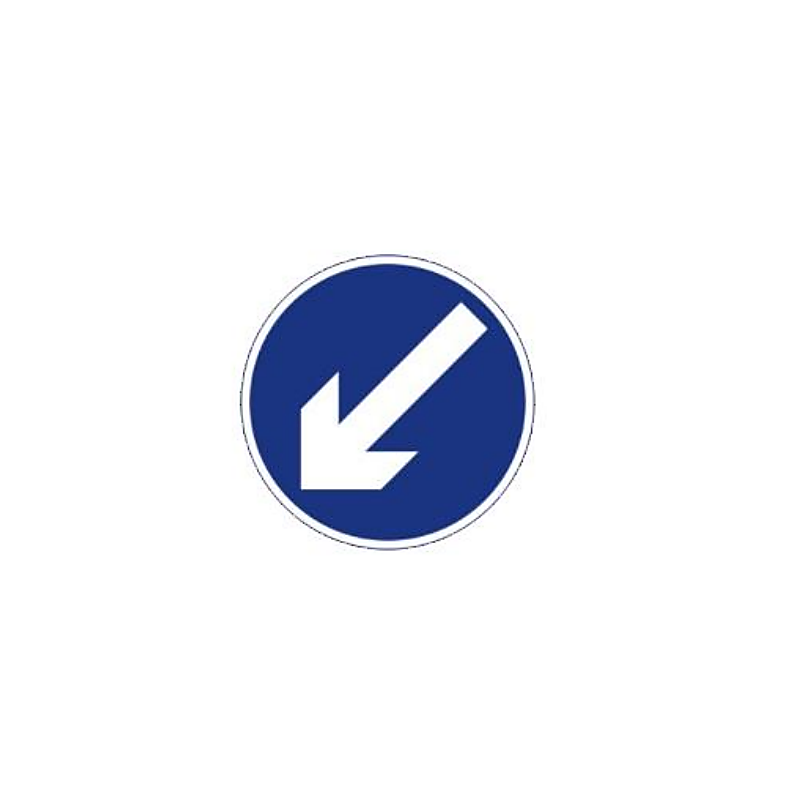
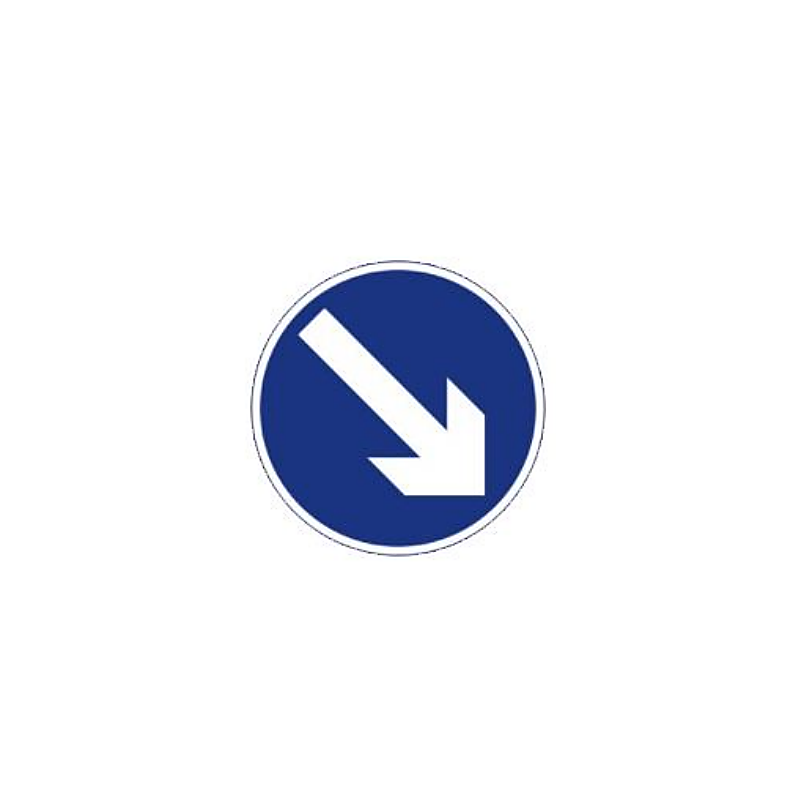
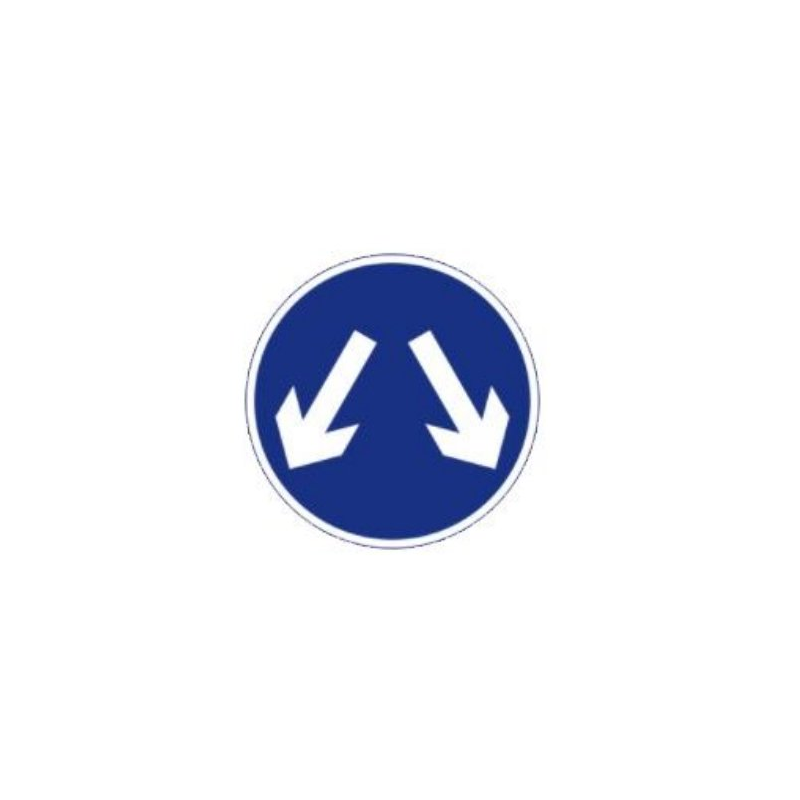
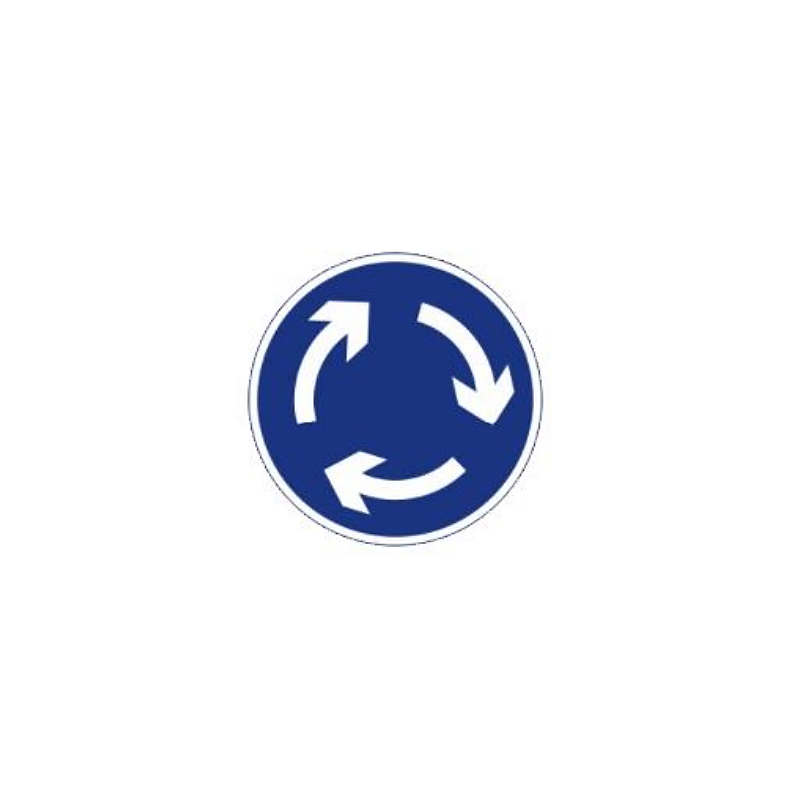
Mandatory Turn Signs — What You MUST Do
Mandatory signs (blue background, white symbol) tell you what you are legally required to do. These are used at one-way systems, contraflows, and complex junctions.
Information & Direction Signs
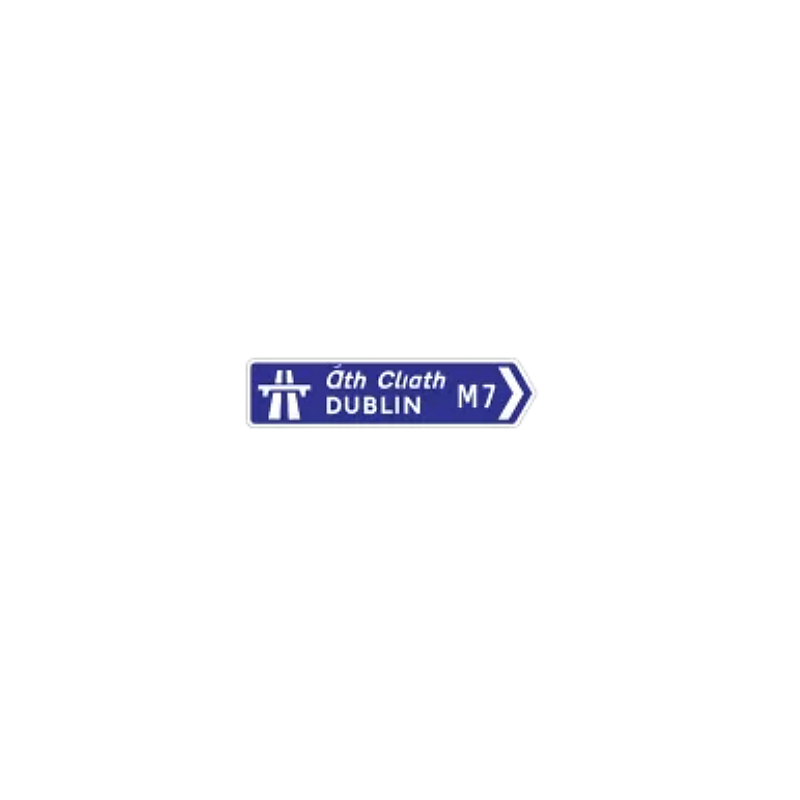
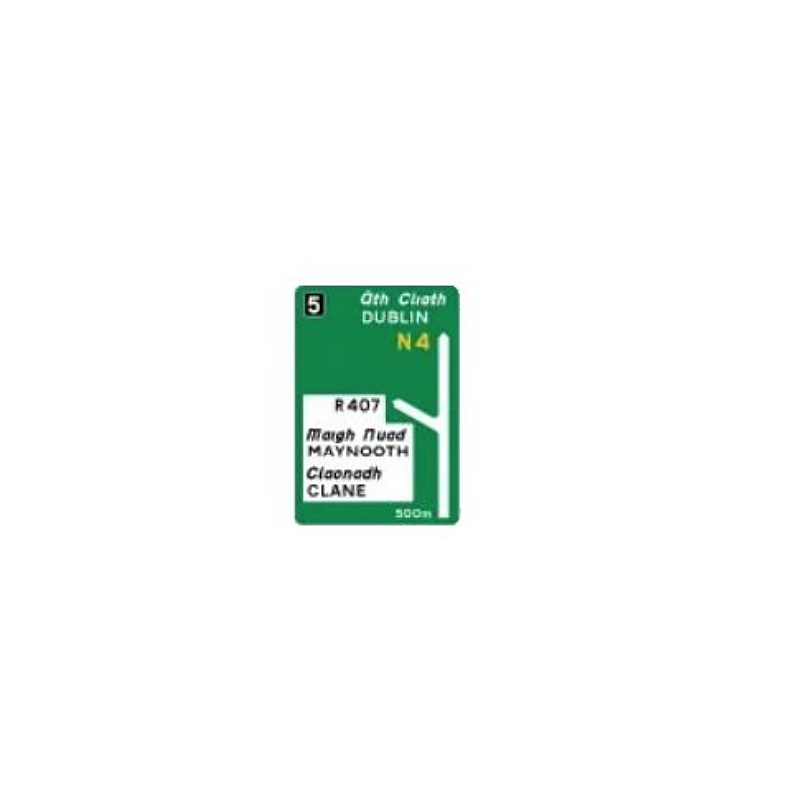
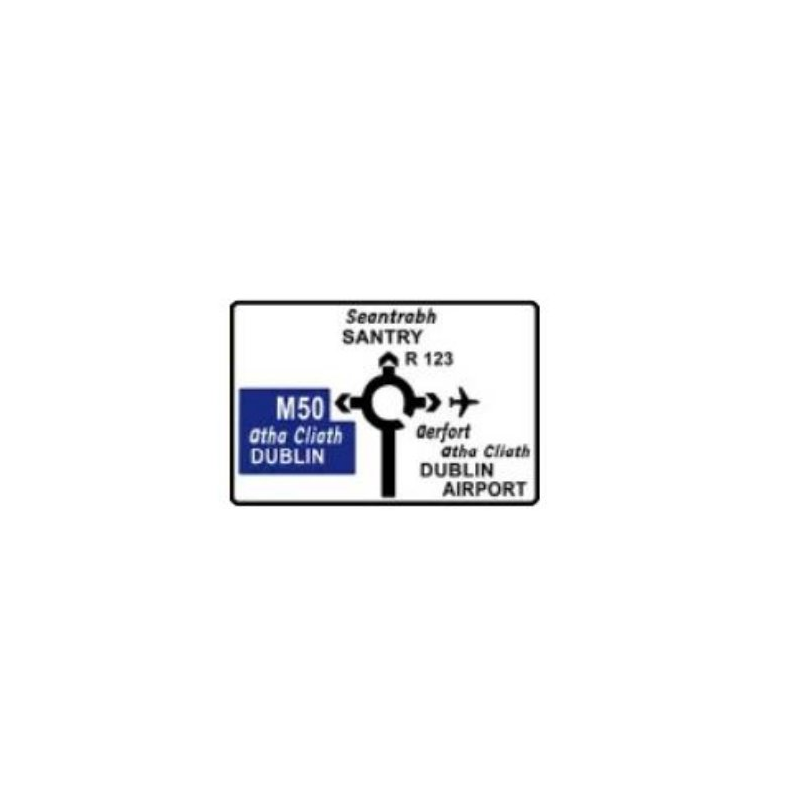
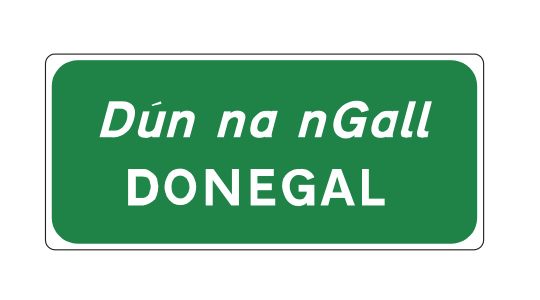
Green / Blue / White — Information & DirectionInformation and direction signs are rectangular. Their background colour indicates the road type: blue for motorways, green for national roads, white for local roads, and brown for tourist and heritage attractions. These signs help you navigate without having to stop and do not impose legal requirements.
Direction Signs by Road Type
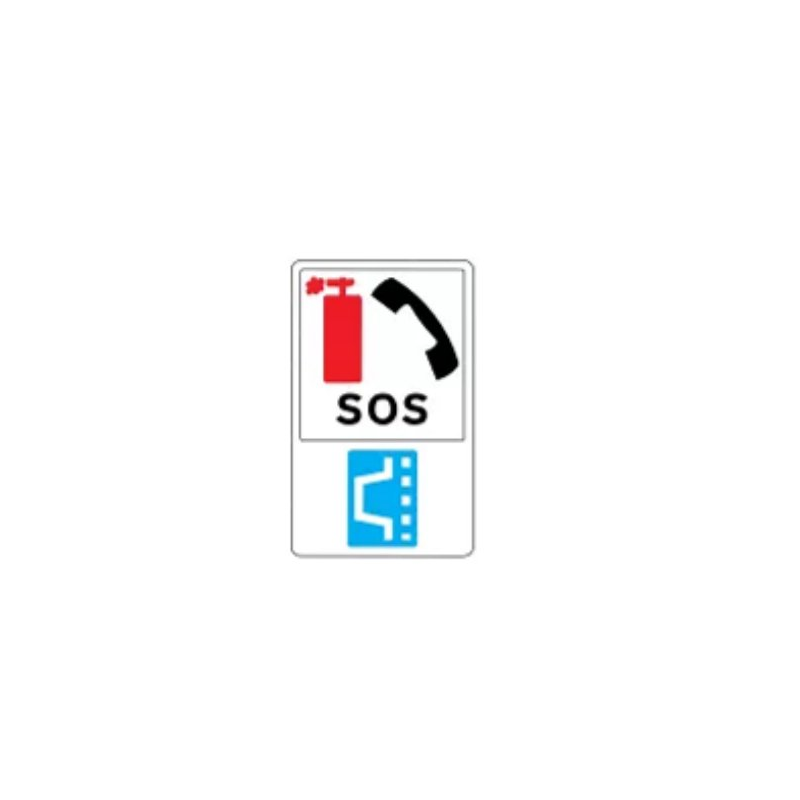
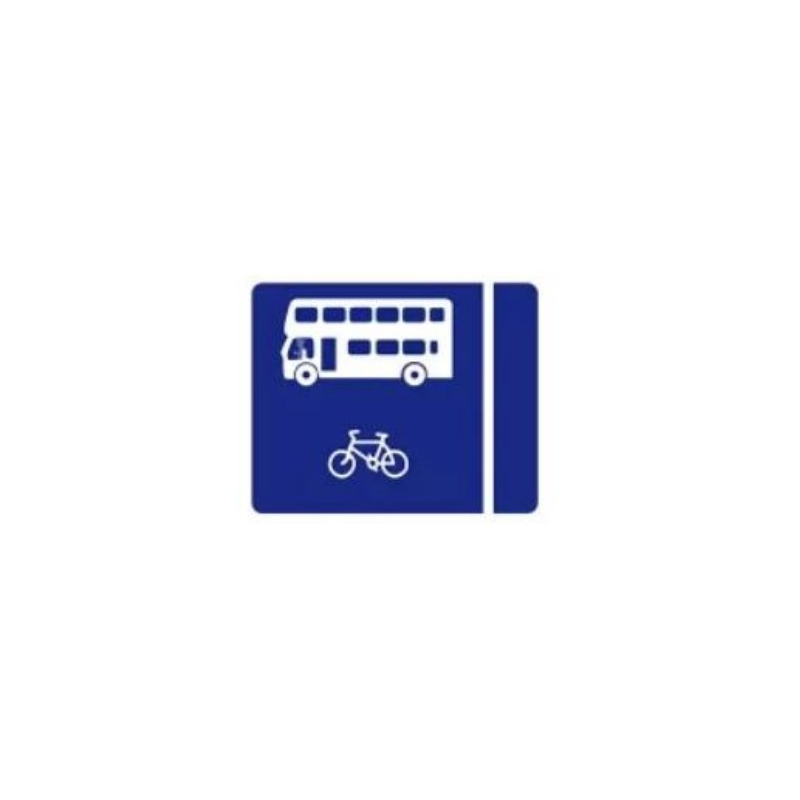
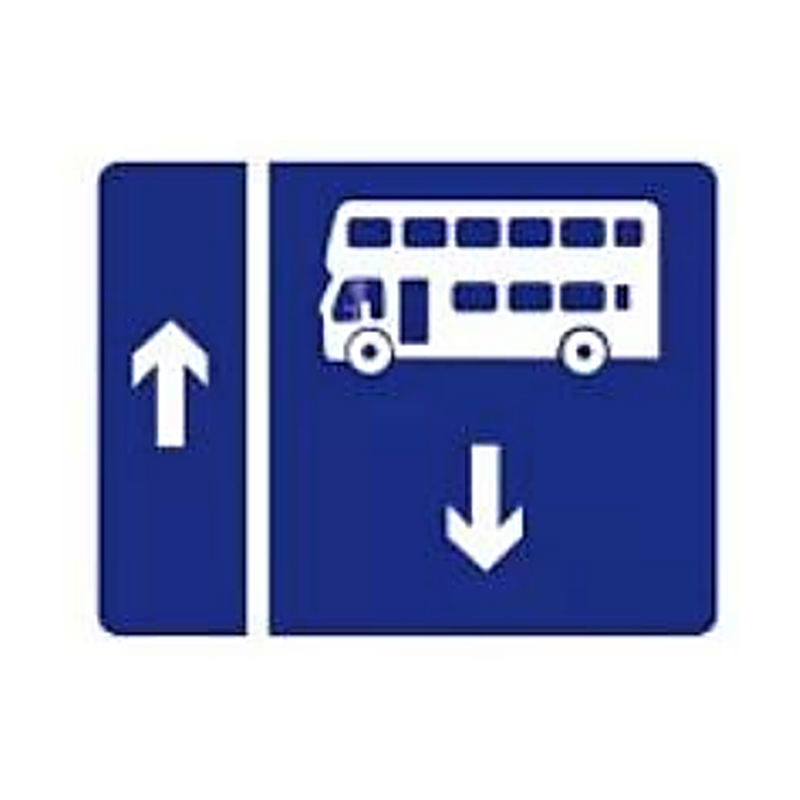
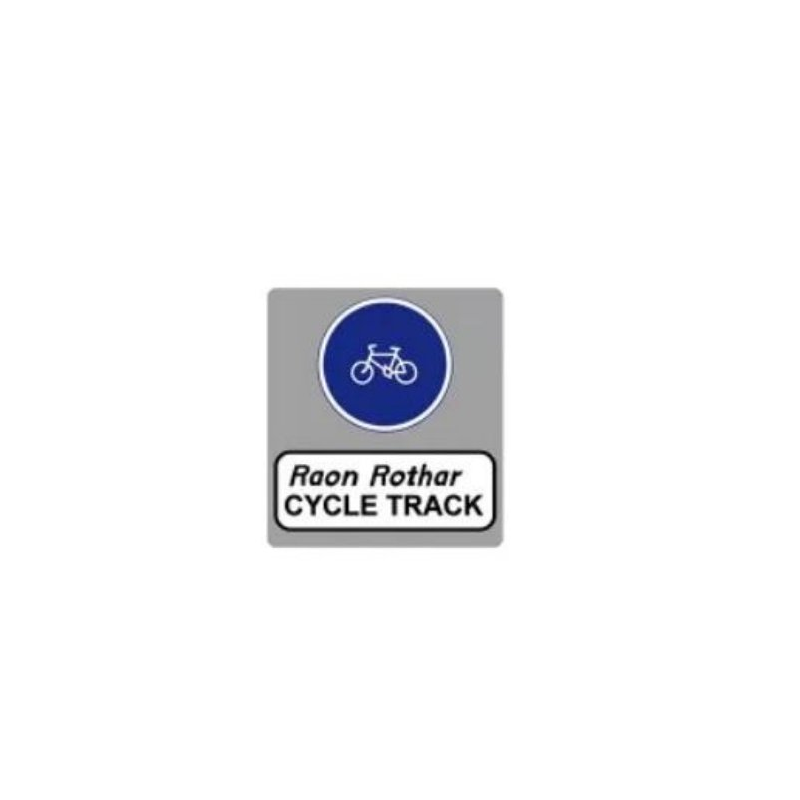
Useful Information Signs

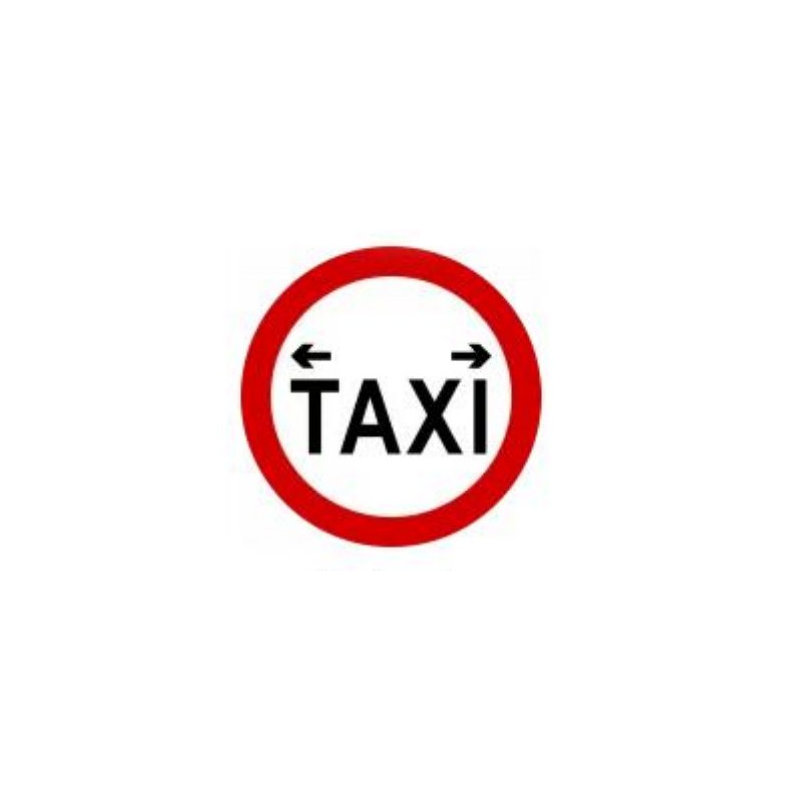
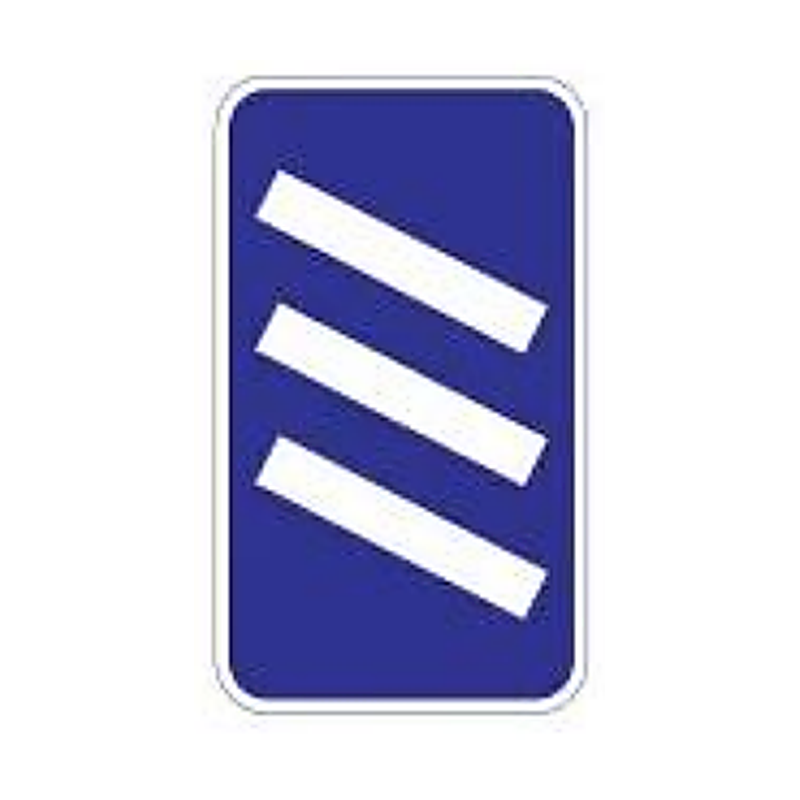
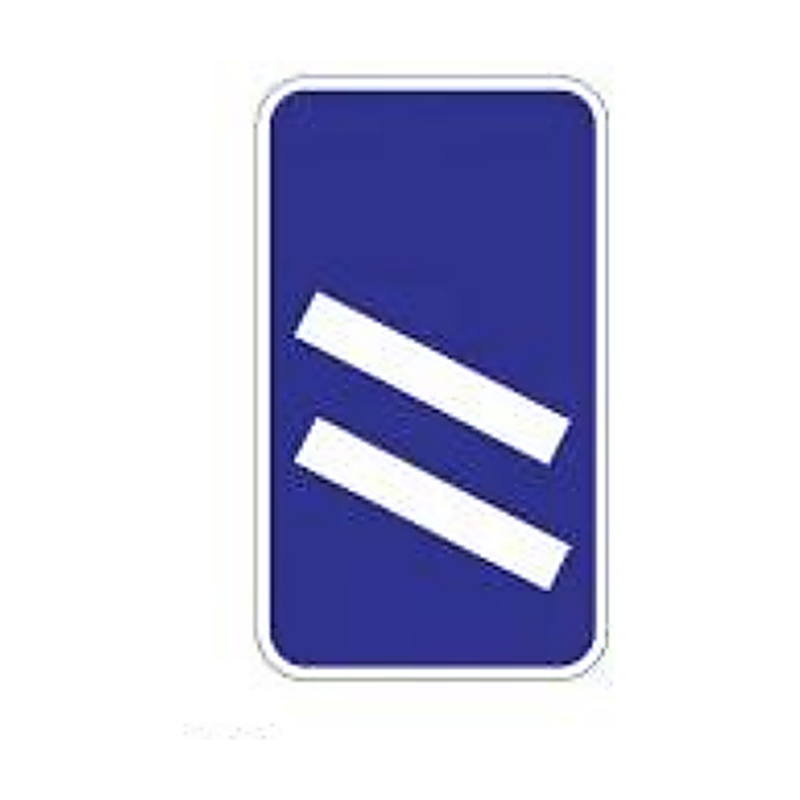
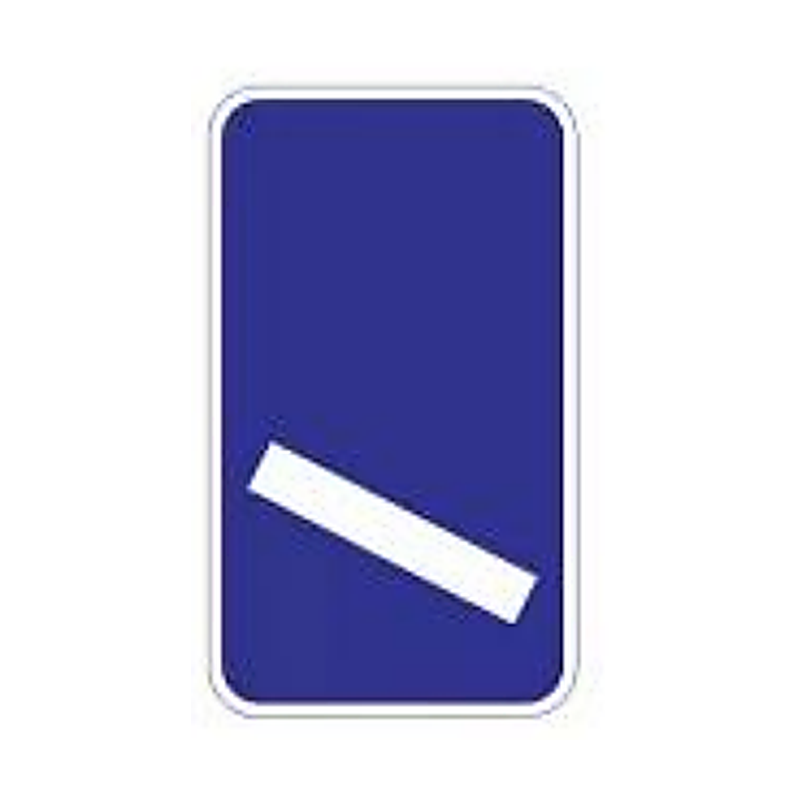
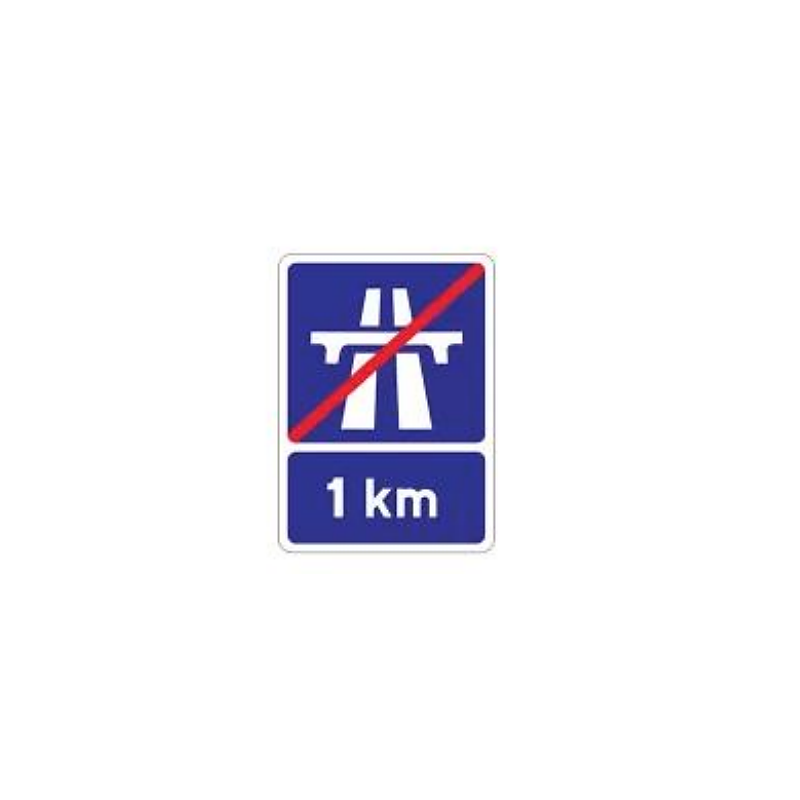
Motorway Signs
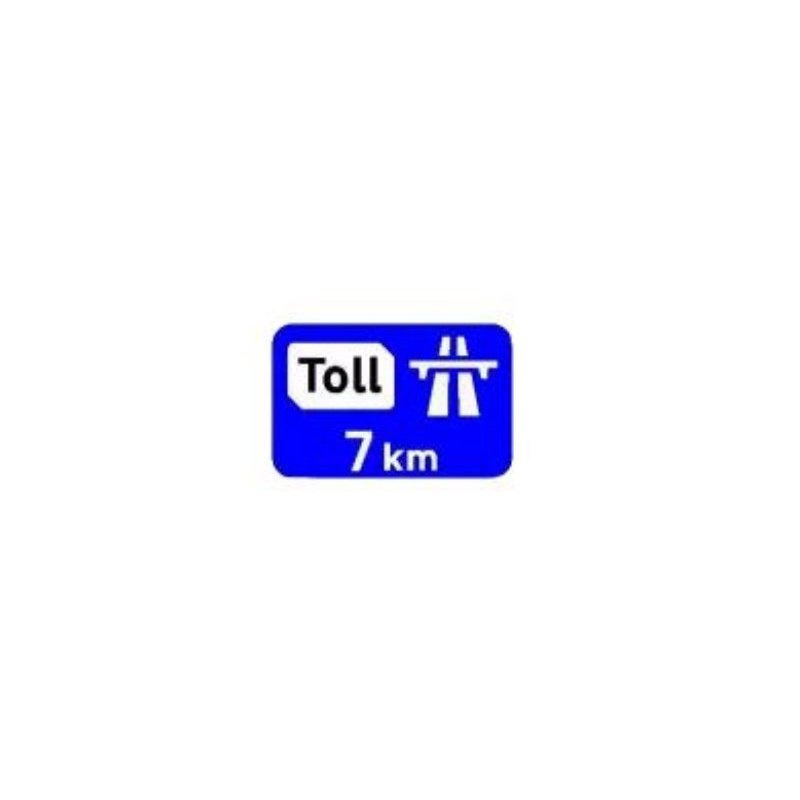
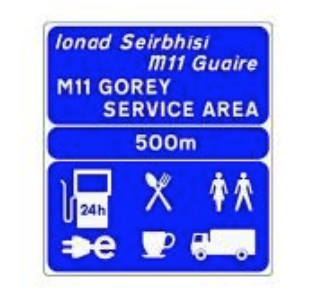
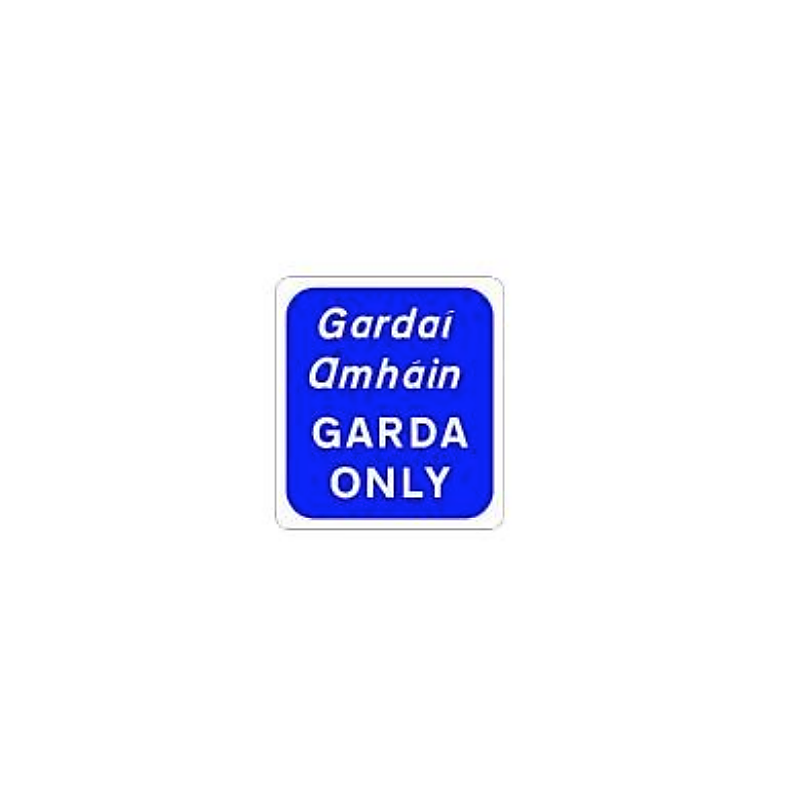
Blue — MotorwayMotorway signs use a blue background with white text and are exclusive to motorways (M-roads). Learner permit holders are not permitted to drive on motorways unless accompanied by an RSA-approved driving instructor in a formal EDT session. You must know motorway signs for the Driver Theory Test.
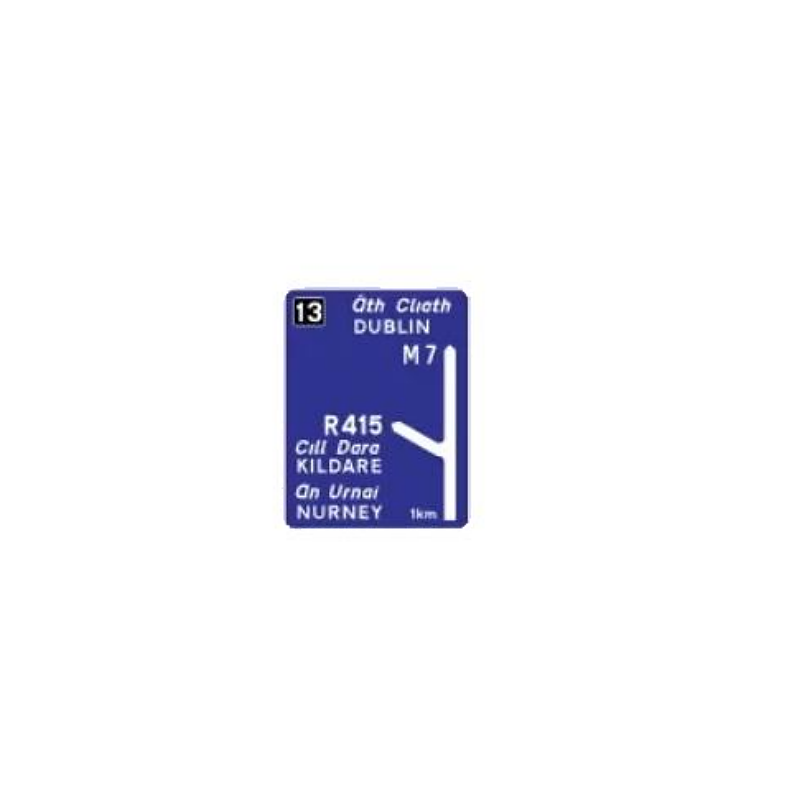
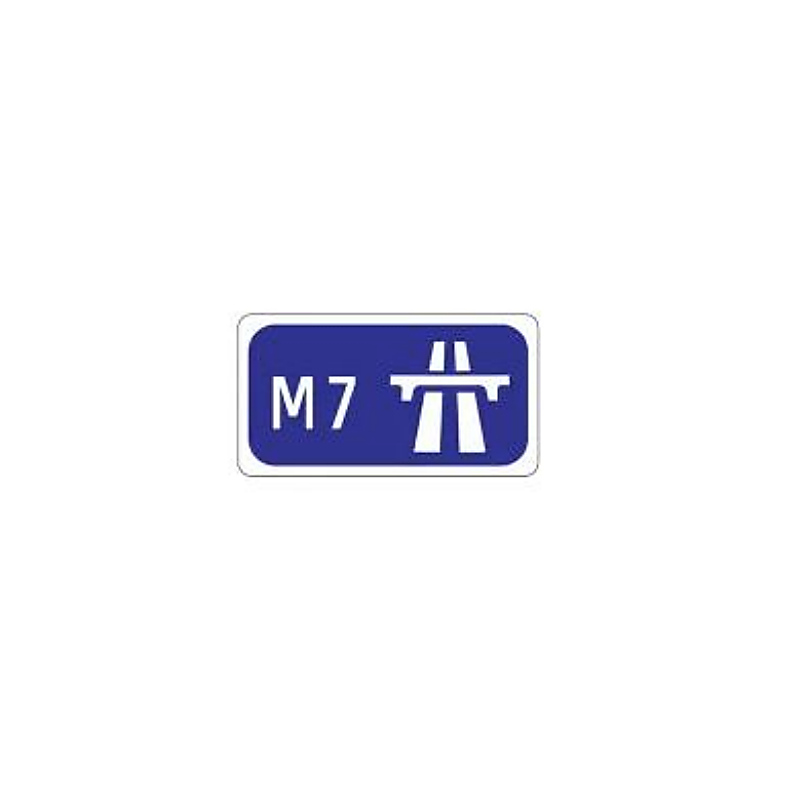
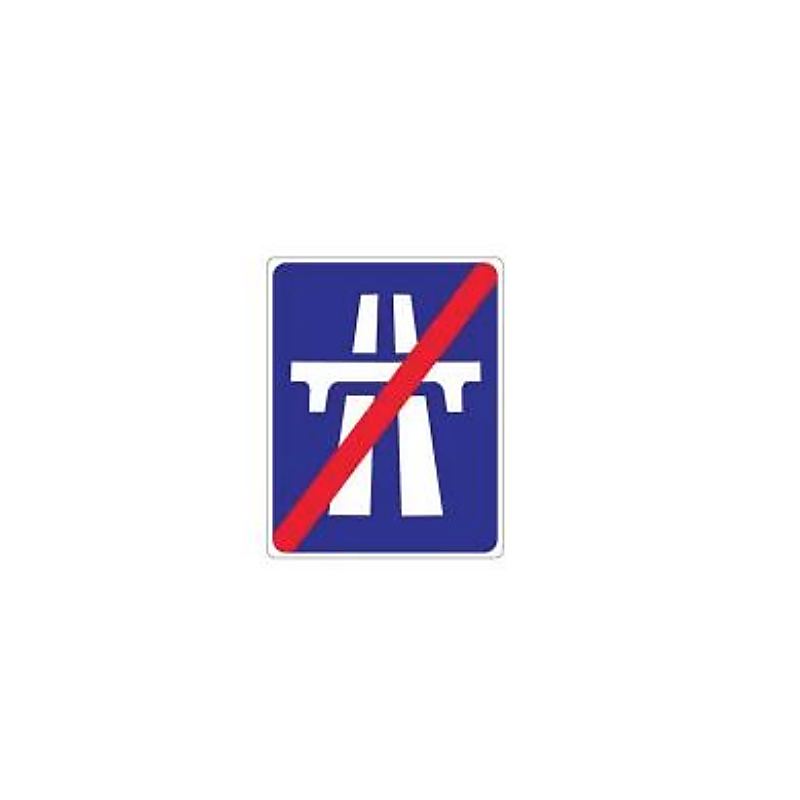
Traffic Lane Signs
Traffic lane signs use overhead gantries to show which lanes are open or closed. They are common on the M50 and other multi-lane roads.

Road Markings
Road markings are painted lines, symbols, and words on the road surface. They form part of the road sign system and carry the same legal authority as physical signs. Like signs, they are divided into warning, regulatory, and informational types.
White Line Markings
| Marking | What It Means |
|---|---|
| Unbroken white centre line | Do not cross or straddle this line — overtaking is prohibited |
| Broken white centre line | Lane boundary — you may cross to overtake when safe |
| Double white lines (one broken, one solid) | If the solid line is on your side, you may NOT cross or overtake. If the broken line is on your side, you may overtake if safe |
| Stop line (solid white) | Stop here — used with STOP signs and traffic lights |
| Yield line (broken white) | Give way to traffic — used with YIELD signs and at roundabout entries |
| White edge line | Marks the left-hand edge of the carriageway |
| Pedestrian crossing lines (zebra stripes) | Give way to pedestrians waiting to cross or crossing |
| STOP / YIELD / SLOW (road text) | Reinforcement of junction control markings |
Yellow Line Markings
| Marking | What It Means |
|---|---|
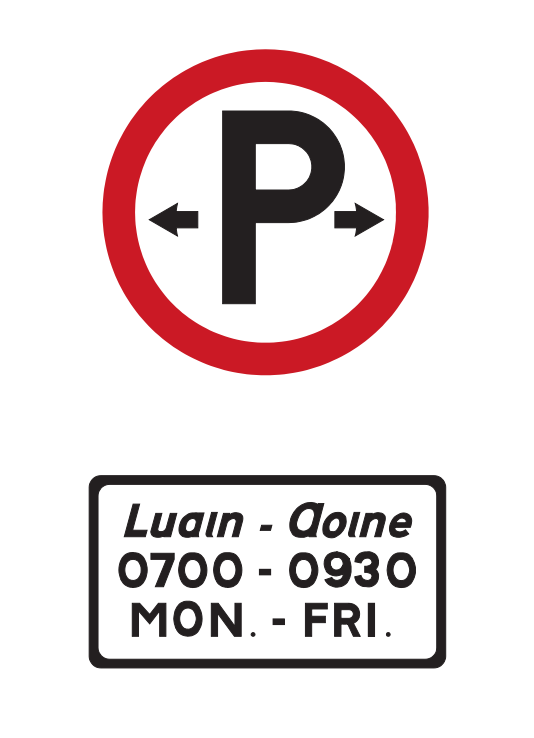
| Single yellow line (edge of road) | No parking during the hours shown on nearby signs |
| Double yellow line | No parking at any time |
| Yellow box junction | Do not enter the box unless your exit is clear — exception: you may enter to turn right if only oncoming traffic or vehicles turning right prevent you from doing so |
Traffic Lights
Traffic lights in Ireland use the standard international sequence. Each phase carries a specific legal meaning — treat every phase as a regulatory sign.
| Light | Meaning | What to Do |
|---|---|---|
| ● Red | Stop | Stop behind the stop line and wait |
| ●● Red & Amber | Prepare to go | Do not move yet — prepare to move when the light changes to green |
| ● Green | Go (if safe) | Proceed only if the junction is clear and it is safe to do so |
| ● Amber | Stop — unless unsafe to do so | Stop if you can do so safely before the stop line. Only continue if you are so close that stopping would cause a collision |
| ● Flashing green arrow | Filter | You may proceed in the direction of the arrow, giving way to pedestrians and other traffic |
Bilingual Signs — Irish & English
Ireland is a bilingual state and many road signs appear in both Irish (Gaeilge) and English. Irish text appears above English text on bilingual signs. In Gaeltacht (Irish-speaking) areas — primarily in Galway, Mayo, Donegal, Kerry, and Cork — signs may appear in Irish only.
Key bilingual traffic terms to know:
| English | Irish (Gaeilge) |
|---|---|
| STOP | STAD |
| YIELD | GÉILL SLÍ |
| GO | TÉIGH |
| SLOW | GO MALL |
| END | CRÍOCH |
| TURN BACK | CAS AR GIS |
| ROAD CLOSED | BÓTHAR DÚNTA |
| DETOUR | CÚRSA TIMPILL |
| TRAFFIC CALMING | CEANSÚ TRÁCHTA |
Road Signs & the Driver Theory Test
Road signs form a major section of the RSA Driver Theory Test. You must correctly identify signs by their shape, colour, and symbol and choose the correct driver response. The theory test is multiple choice and is taken on a computer at a Road Safety Authority-approved test centre.
The official study materials for the theory test are:
- The Rules of the Road book (available from NDLS offices and bookshops, or free PDF from rsa.ie)
- The RSA Driver Theory Test app (available on iOS and Android)
- Practice tests at theorytest.ie
Road Signs on the RSA Driving Test
On the RSA driving test, the tester observes whether you correctly read and respond to every sign you encounter on the test route. Key areas where signs matter most:
- STOP signs — you must come to a complete stop before the line, even if the road is clear
- Speed limit signs — you must drive within posted limits and adjust speed promptly when a new limit is displayed
- No entry / no right turn / no left turn — turning onto a prohibited road is an automatic fail
- Yellow box junctions — do not enter unless your exit is clear
- Traffic lights — stopping on an amber light when it is safe to do so; not running red lights
- Bus lanes — do not drive in a bus lane during its operating hours
- Mandatory turn signs — you must follow mandatory turns even if they take you off your intended route
Frequently Asked Questions
Go deeper — Road Signs articles
Reading about road signs is just the beginning. Putting them into practice on real roads in North Dublin is where it all comes together. Book your EDT lessons with BP Driving School — RSA-approved, Swords, door-to-door pickup, manual & automatic.
Already have your permit? Book a mock test to check your readiness before the real thing.