Regulatory signs are the law of the road. Every other type of road sign advises, guides, or warns — regulatory signs order. Ignoring one is a road traffic offence, and on the RSA driving test it is often an immediate fail. This guide covers every regulatory sign used in Ireland: what it looks like, what it means, and exactly what you must do when you see it.
Road Signs in Ireland — Article Series
In This Guide
- What Are Regulatory Signs?
- Two Groups: Prohibitory vs Mandatory
- STOP and YIELD — The Most Critical Signs
- Speed Limit Signs
- Default Speed Limits in Ireland
- Prohibitory Signs — What You Must NOT Do
- No Entry
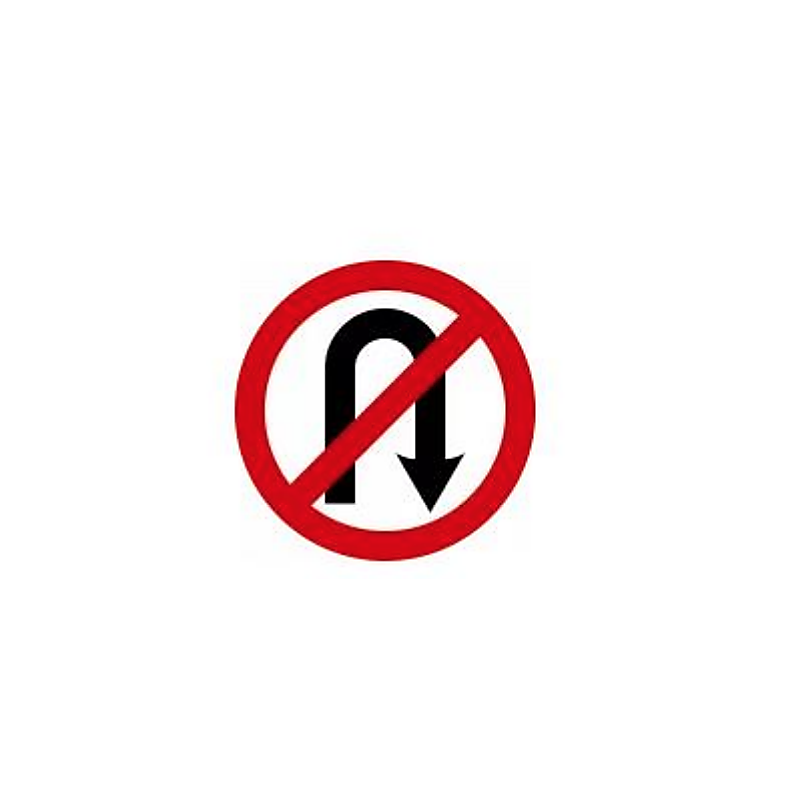
- No Turn Signs
- No Overtaking
- Vehicle Restrictions
- Parking & Stopping Restrictions
- School Warden Stop Sign
- Mandatory Signs — What You MUST Do
- Mandatory Turn Signs
- Special Lane Signs
- Quick-Reference Table
- Regulatory Signs & Penalty Points
- Theory Test Tips
- Regulatory Signs on the RSA Driving Test
- Frequently Asked Questions
What Are Regulatory Signs?
Regulatory signs impose legal obligations on every road user. They are not suggestions, recommendations, or guidelines — they are orders backed by the Road Traffic Acts. Failing to comply with a regulatory sign is a road traffic offence that can result in penalty points, a fine, court proceedings, or an immediate fail on your RSA driving test.
In contrast to warning signs (which alert you to a hazard) and information signs (which guide you to a destination), regulatory signs define what you are legally permitted or required to do at that point on the road. Every driver — learner or full licence holder — must comply with regulatory signs at all times.
Two Groups: Prohibitory vs Mandatory
Regulatory signs in Ireland fall into two clearly distinct groups, each with its own visual design so you can tell them apart at a glance:
| Group | Shape | Colours | Meaning | Examples |
|---|---|---|---|---|
| Prohibitory | Circle (or octagon for STOP) | Red border, white background, black symbol | What you must NOT do | No Entry, No Left Turn, Speed Limits, No Overtaking |
| Mandatory | Circle | Blue background, white symbol | What you MUST do | Turn Left Ahead, Keep Left, Straight Ahead Only |
| Special cases | Octagon (STOP) / Inverted triangle (YIELD) | Red and white | Specific junction control obligations | STOP, YIELD |
Ready to put road signs into practice?
Book your EDT lessons with BP Driving School — RSA-approved, Swords, North Dublin.
STOP and YIELD — The Most Critical Signs
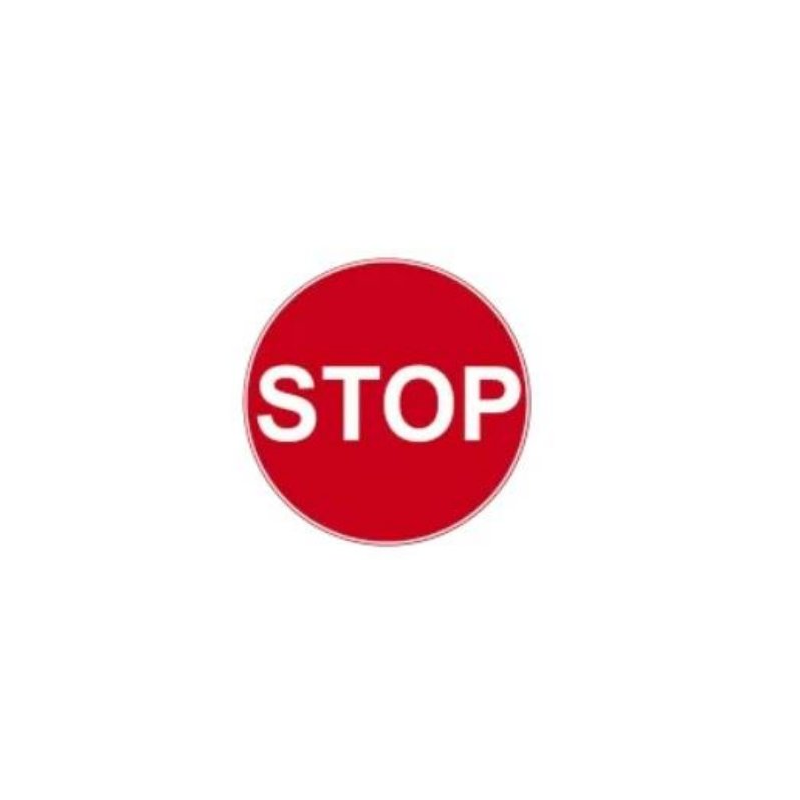
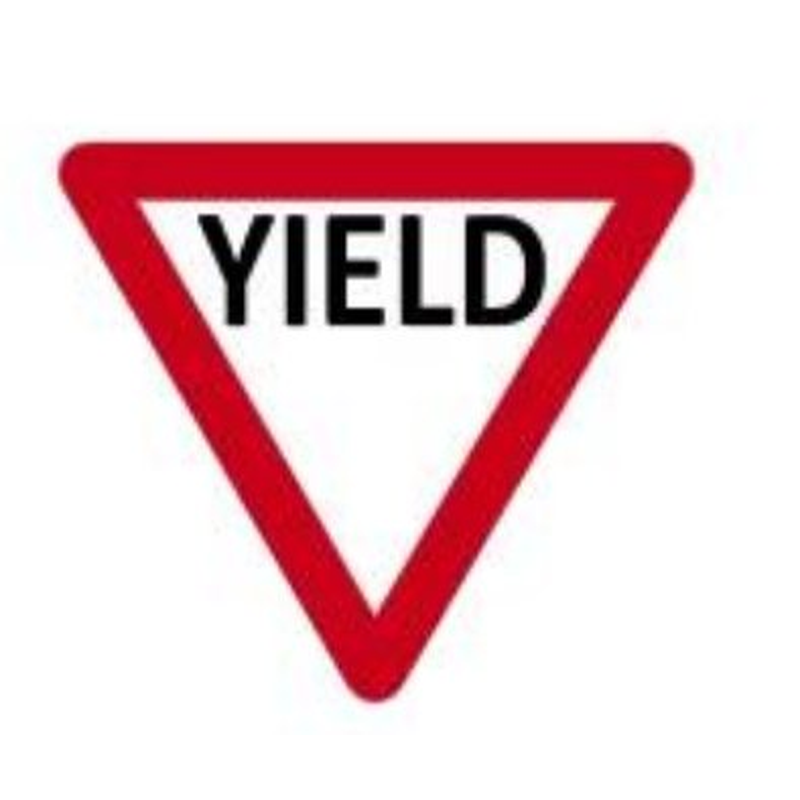
Special Regulatory SignsSTOP and YIELD are the two most important regulatory signs in Ireland. They are the most frequently tested signs in the RSA Driver Theory Test and the most closely watched signs on the RSA driving test. Every learner driver must know the difference between them — and must never treat them as the same instruction.
The STOP Sign
The STOP sign is an octagon — eight sides — in red with white text. It is the only road sign in Ireland with this shape, making it immediately identifiable even in poor visibility. At a STOP sign you must:
- Bring the vehicle to a complete stop — all wheels stationary — before the stop line (or, if there is no line, before the junction)
- Look right, look left, look right again and check it is safe
- Only then proceed when the road is clear
The YIELD Sign
The YIELD sign is an inverted triangle — pointing downward — in red and white. At a YIELD sign you must:
- Slow down as you approach
- Give way to all traffic on the major road — including pedestrians crossing it
- Stop if vehicles are approaching and wait until it is safe
- Proceed only when the road is clear
Unlike a STOP sign, you do not have to stop at a YIELD sign if the road is clearly free. However, you must be prepared to stop — and if in any doubt, stop and wait.
Speed Limit Signs
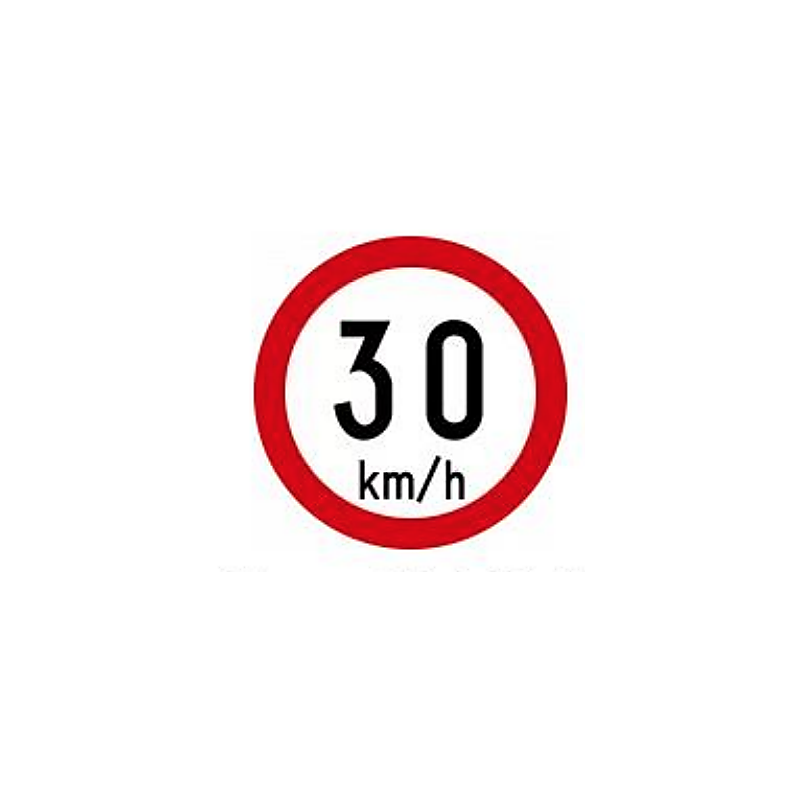
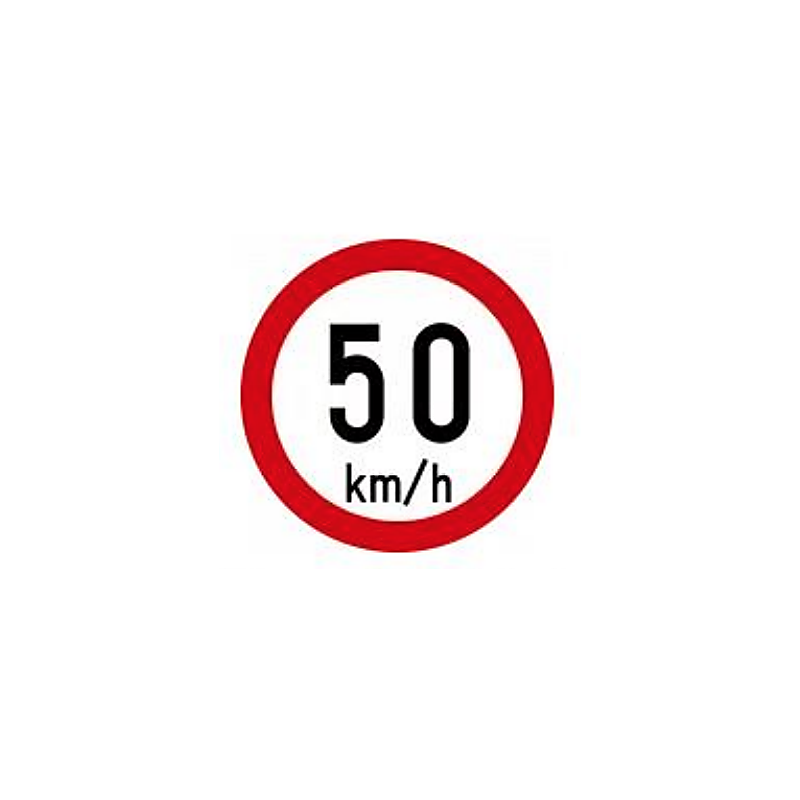
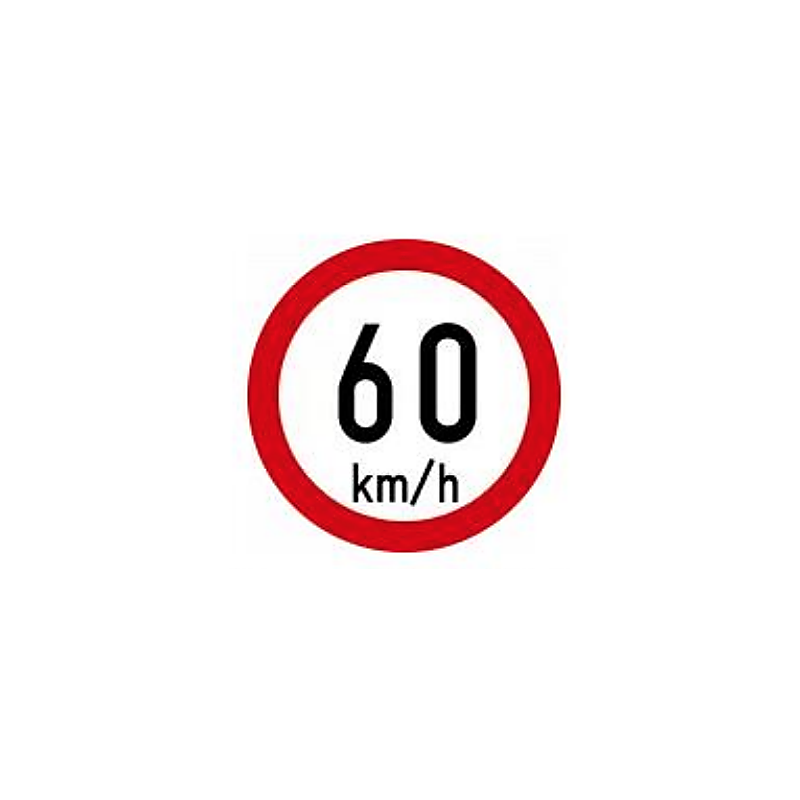
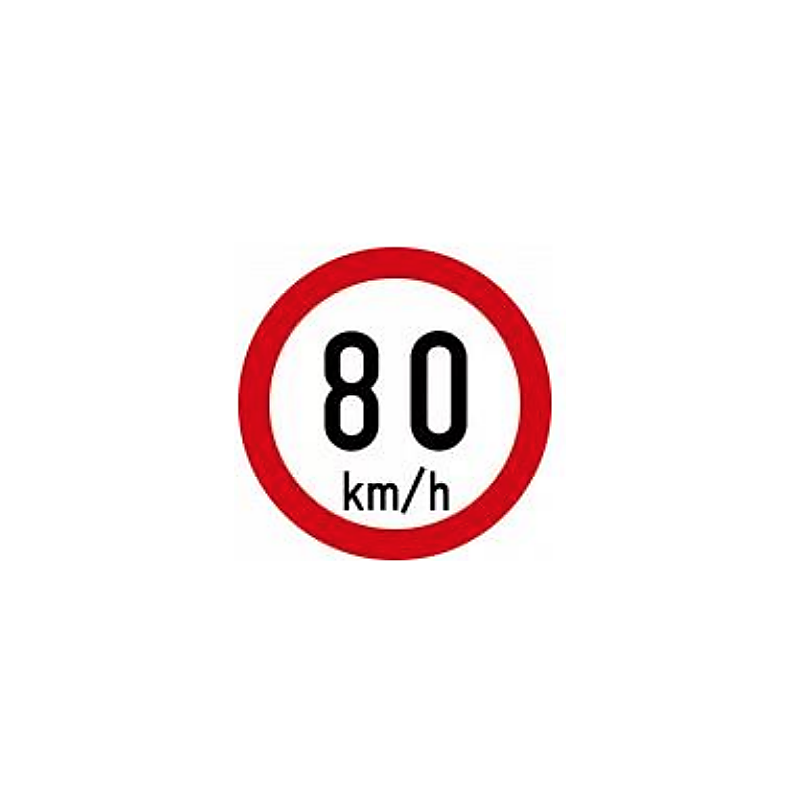
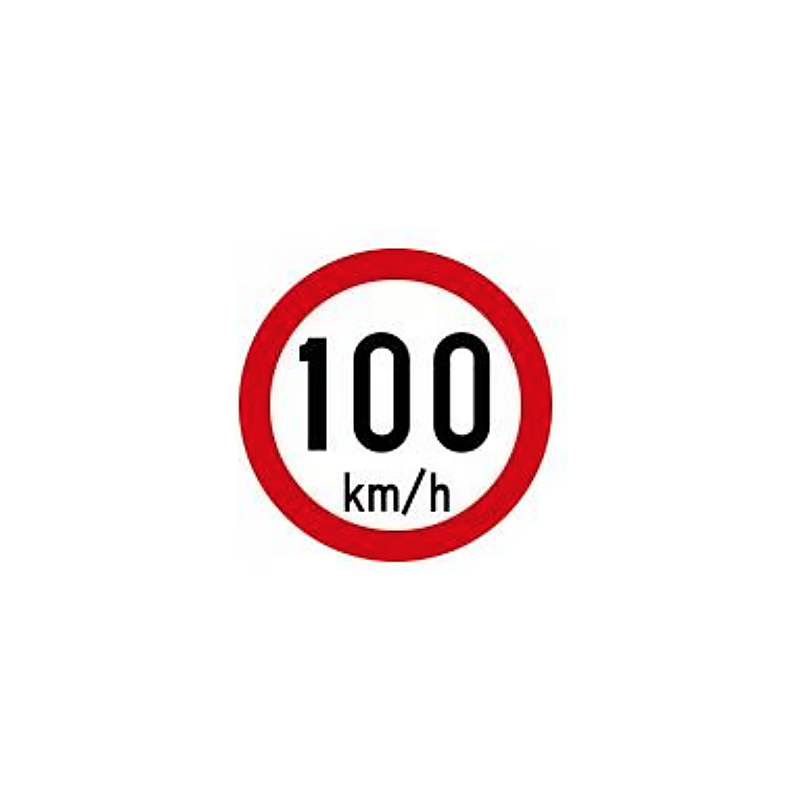
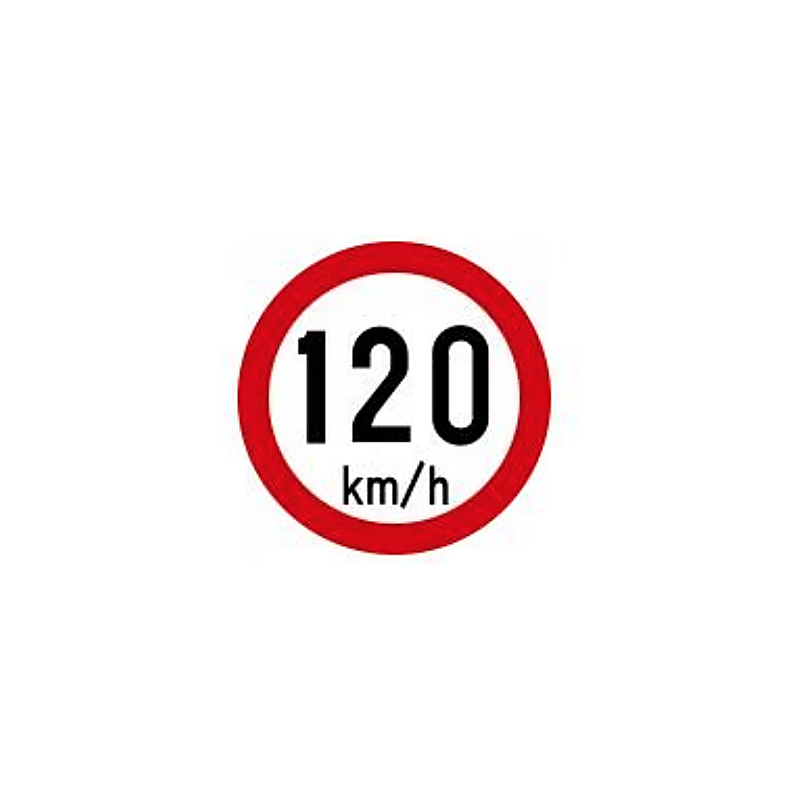
Red Circle — Speed LimitSpeed limit signs in Ireland are circular with a red border and white background. The number in the centre shows the maximum speed in kilometres per hour (km/h). Speed limits are legal maximums — not targets. In poor road conditions, darkness, fog, heavy rain, or heavy traffic, you must travel at a speed well below the posted limit that is safe for the conditions.
| Speed Limit | Where It Applies | Notes |
|---|---|---|
| 30 km/h | Residential zones, housing estates, school zones during operating hours | Typically marked with road markings as well as signs; very common around North Dublin suburbs |
| 50 km/h | Built-up urban areas — the default speed in towns and cities | Applies even without a sign in any built-up area unless a different limit is posted |
| 60 km/h | Some regional roads and approaches on the outskirts of towns | Always posted — not a default limit; transitions between 50 and 80 zones |
| 80 km/h | Non-national rural roads (R and L roads) | The default rural speed — applies to regional and local roads outside built-up areas even without a sign |
| 100 km/h | National primary roads (N roads) and national secondary roads | The default national road speed — applies even without a sign on national roads outside built-up areas |
| 120 km/h | Motorways | The default motorway speed — applies even without a sign; learner permit holders may not drive on motorways without an RSA-approved instructor |
Default Speed Limits in Ireland
One of the most important things to understand about speed limits is that the default limits apply even when there is no sign. You do not need to see a speed limit sign for a limit to apply to you. The road type determines the default.
Learning to drive in North Dublin?
BP Driving School covers Swords, Malahide, Portmarnock, Santry, Raheny and surrounding areas.
Prohibitory Signs — What You Must NOT Do
Red Border Circle — ProhibitoryProhibitory signs are circular with a red border, white background, and black symbol. They tell you what you are not permitted to do at that point on the road. They do not advise or warn — they prohibit. Violating a prohibitory sign is a road traffic offence in every case.
No Entry
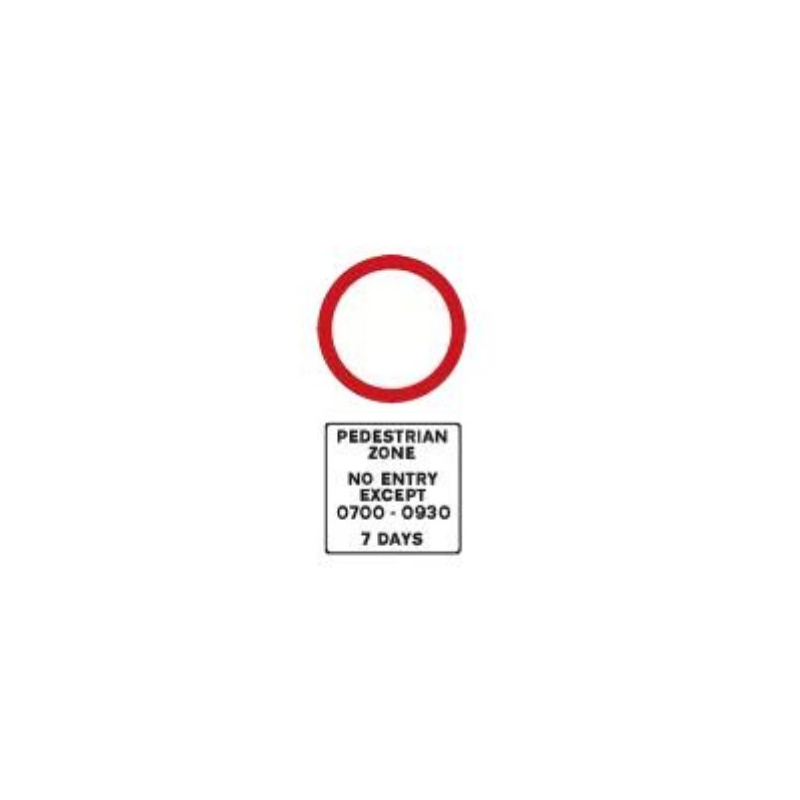
The No Entry sign is one of the most important prohibitory signs. It is a red circle containing a white horizontal bar. It appears on one-way streets (at the exit end to prevent wrong-way entry), at contraflow lane entrances, bus gates, and any road where entry from that direction is prohibited.
No Turn Signs
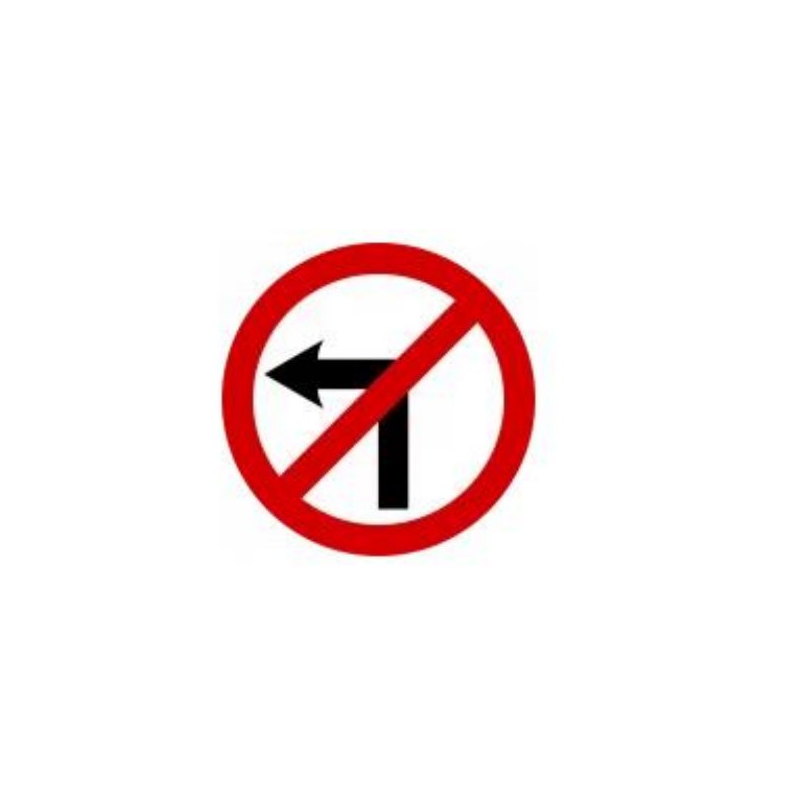
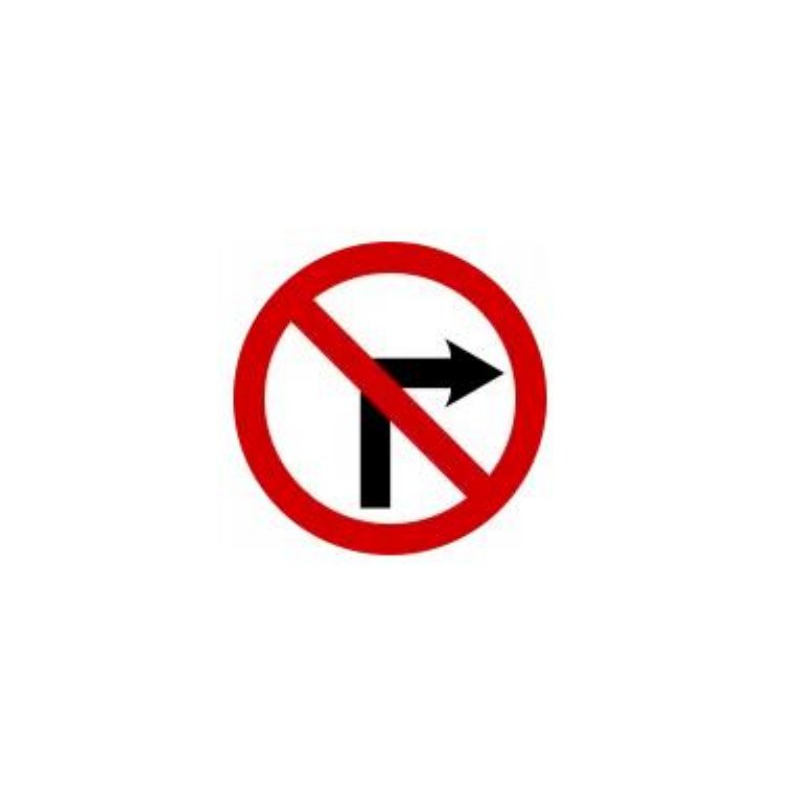
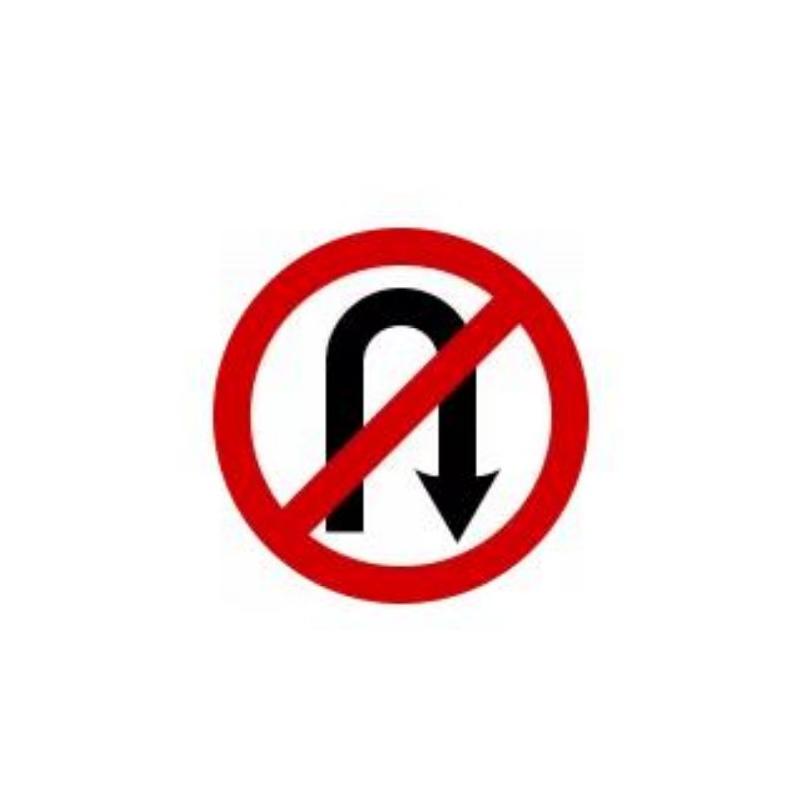
No turn signs prohibit turning in the direction shown. They are placed at junctions where a turn in a particular direction would be unsafe or illegal — for example, where a turning vehicle would cross lanes of fast-moving traffic, or where a one-way system makes a turn impossible.
No Overtaking
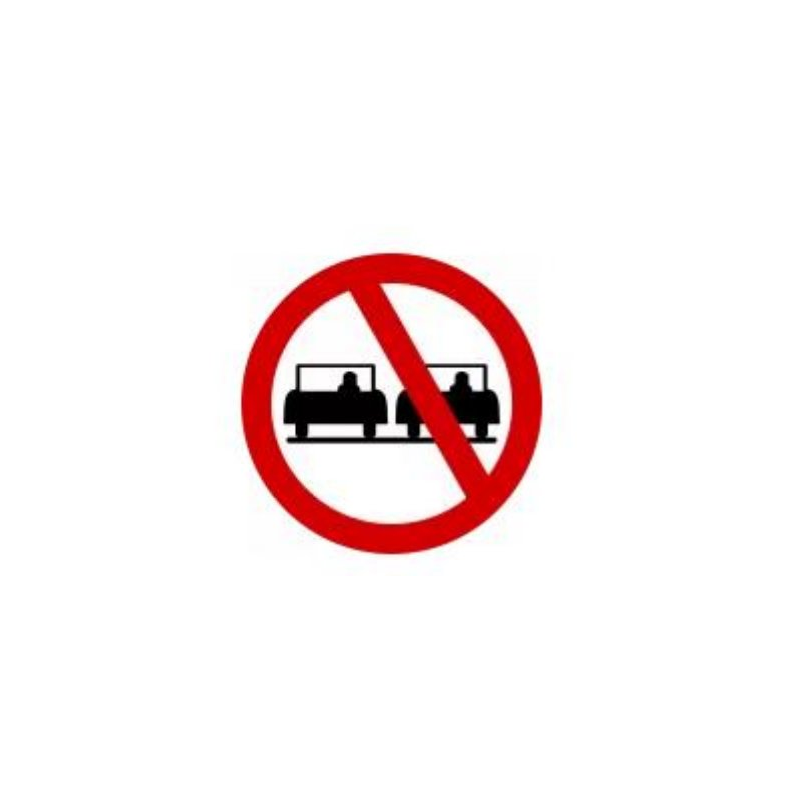
The No Overtaking sign prohibits overtaking any moving motor vehicle for the section of road it covers. It ends when you see an end-of-restriction sign, a new speed limit sign, or at the end of the road. Overtaking in a no-overtaking zone — even if the road appears clear — is a road traffic offence.
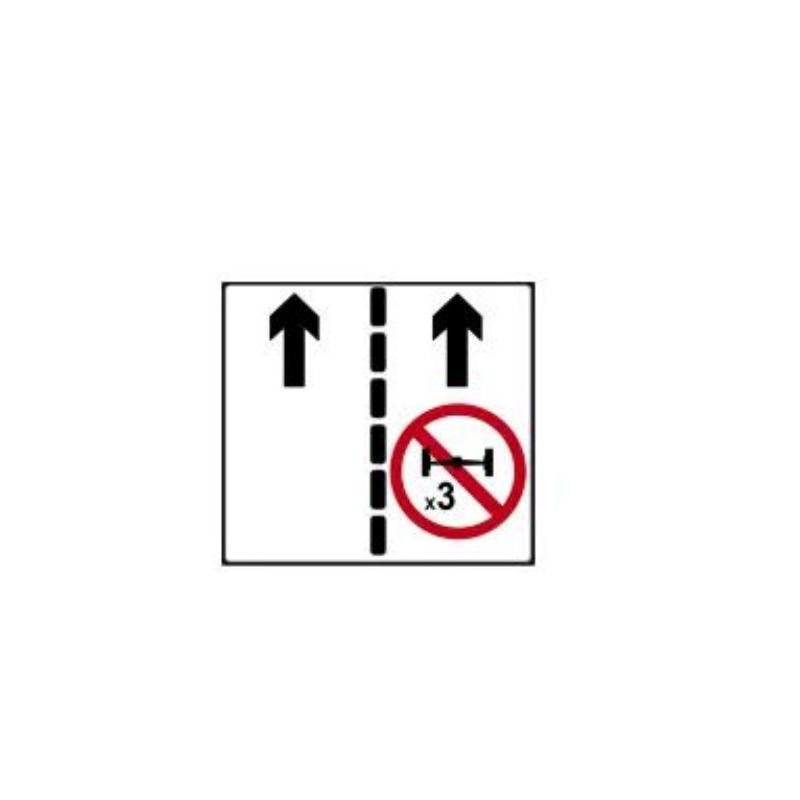
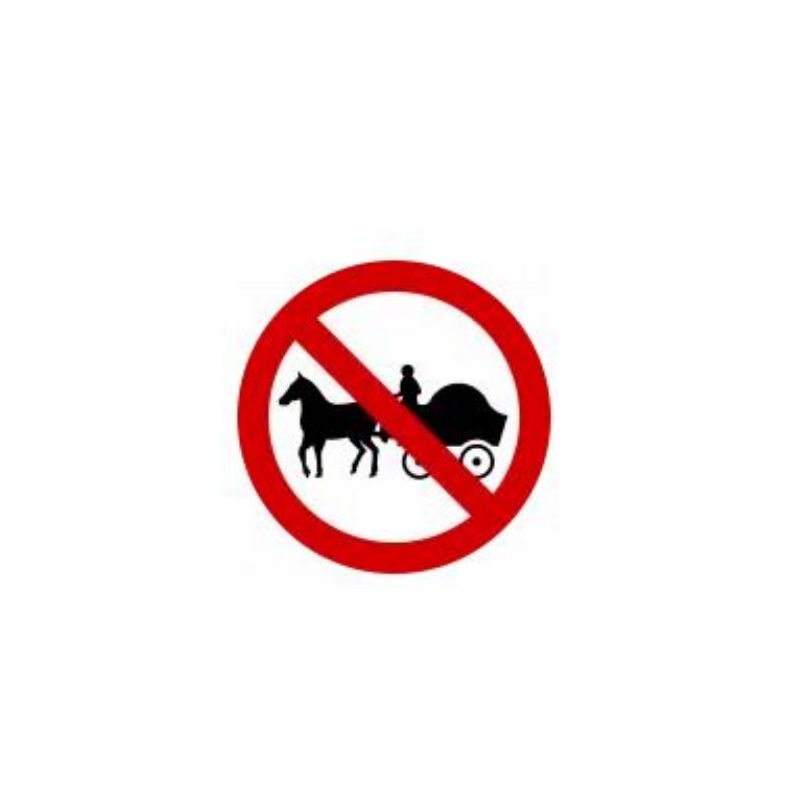
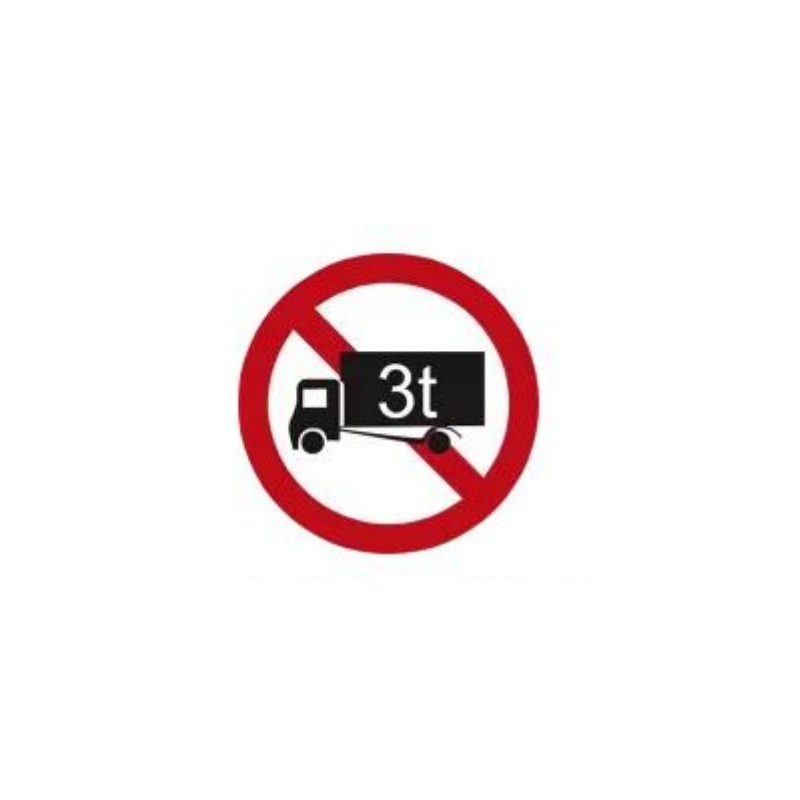
Vehicle Restrictions
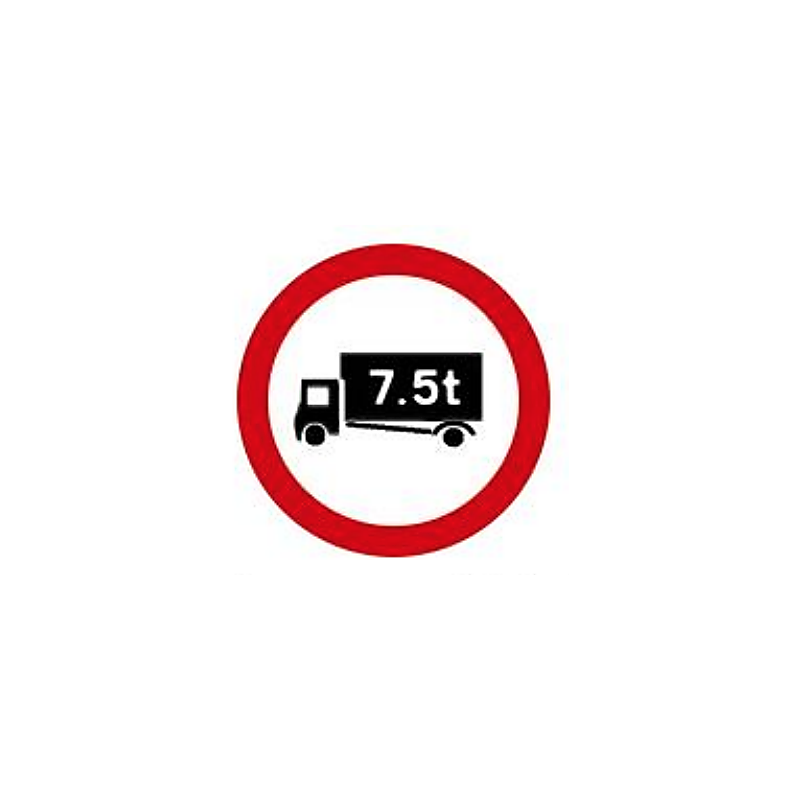
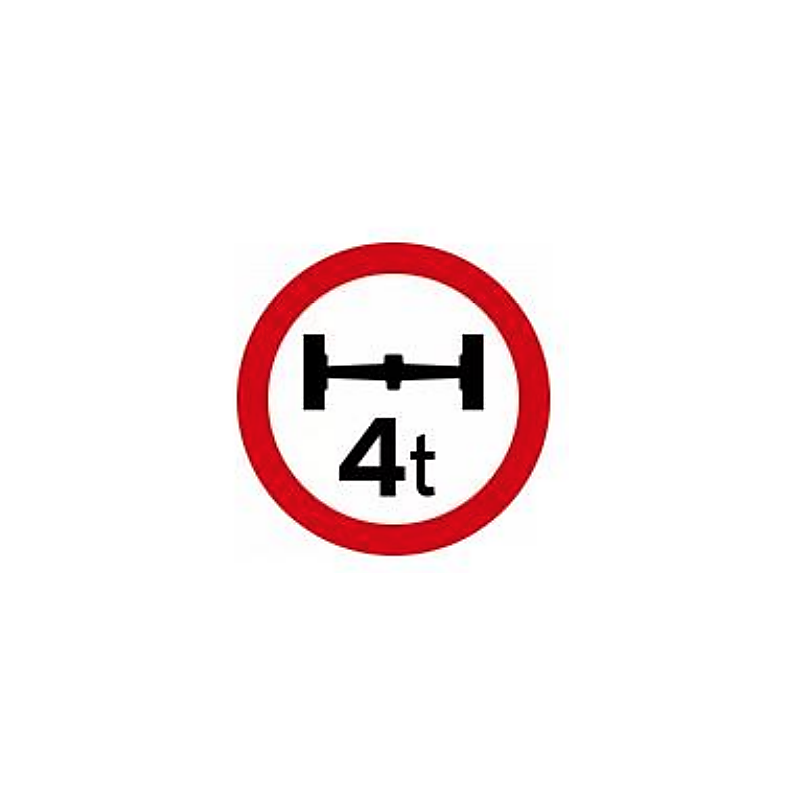
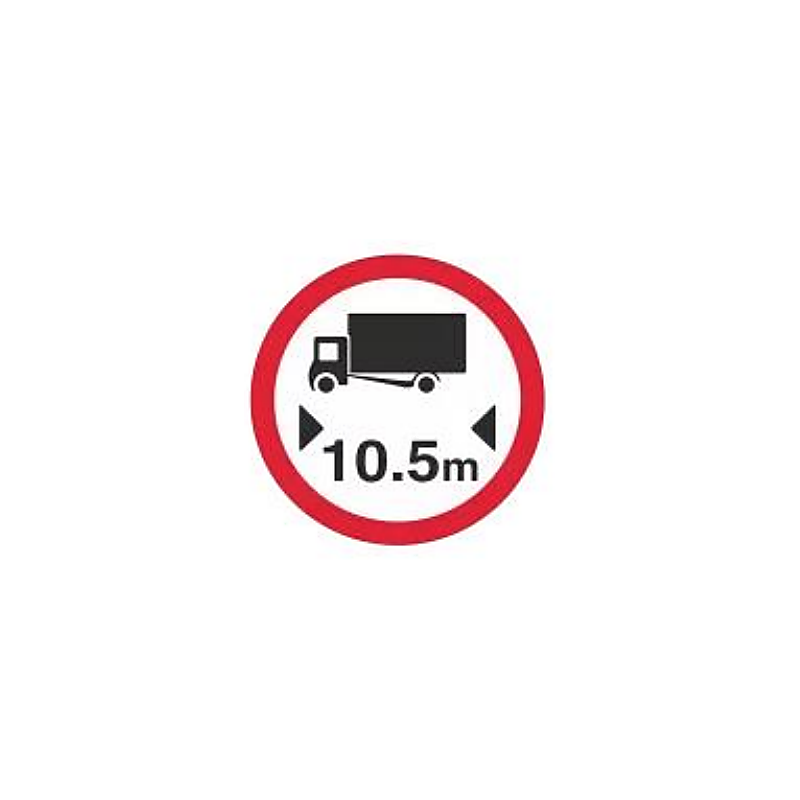
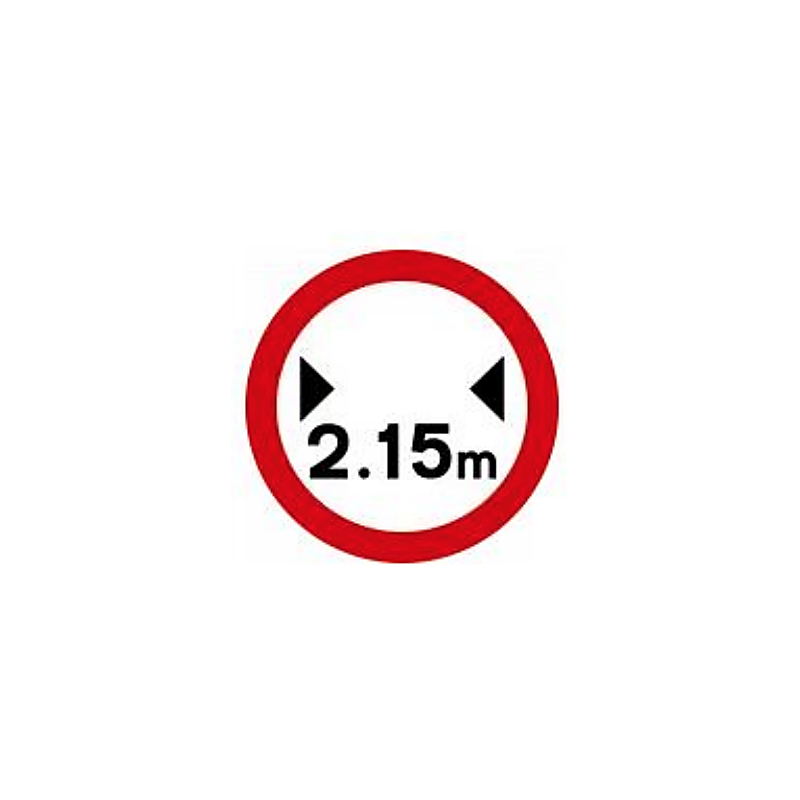
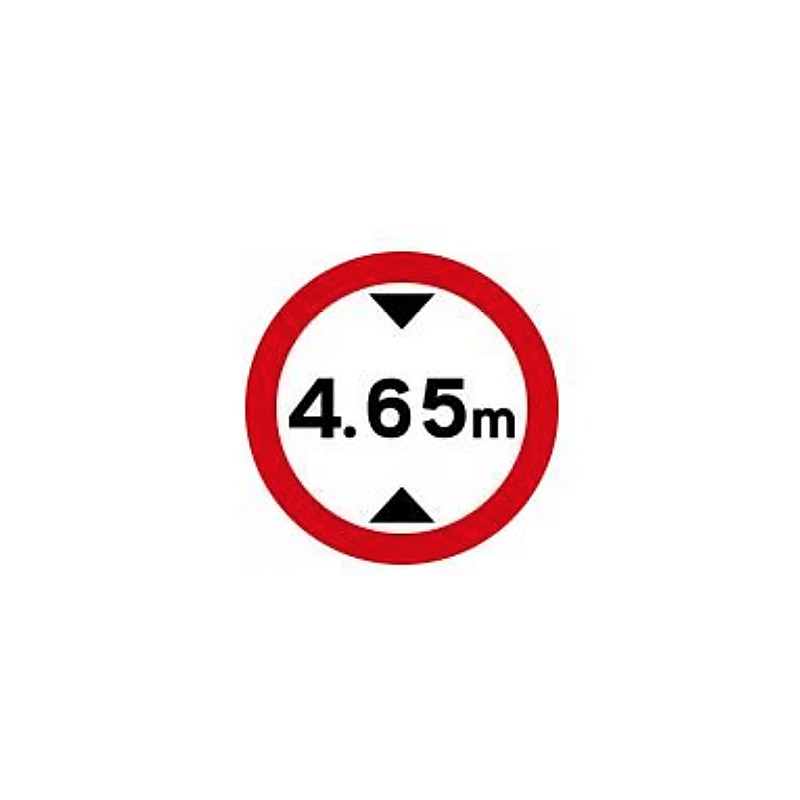
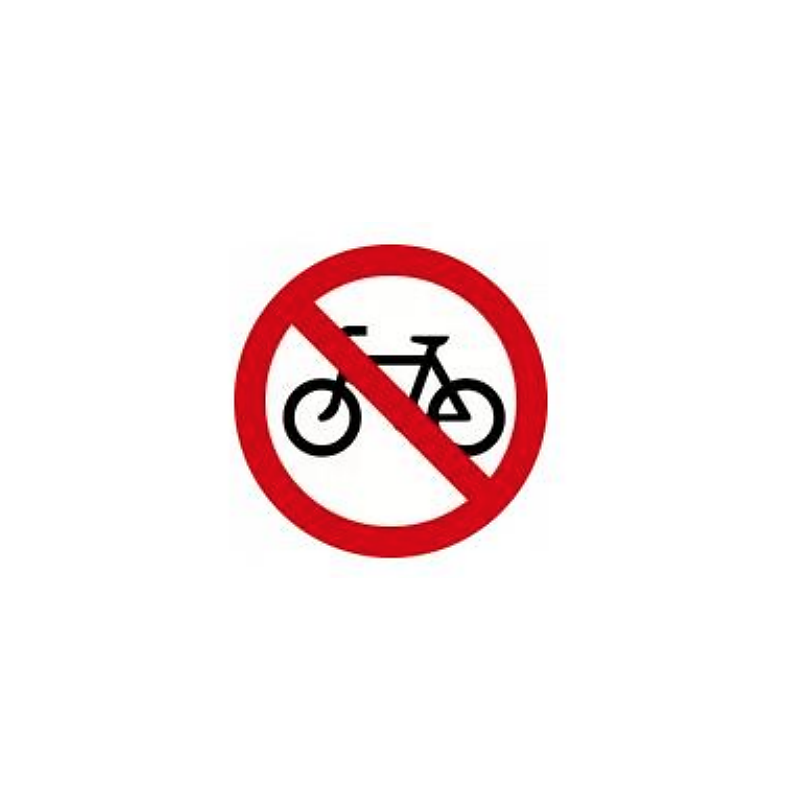
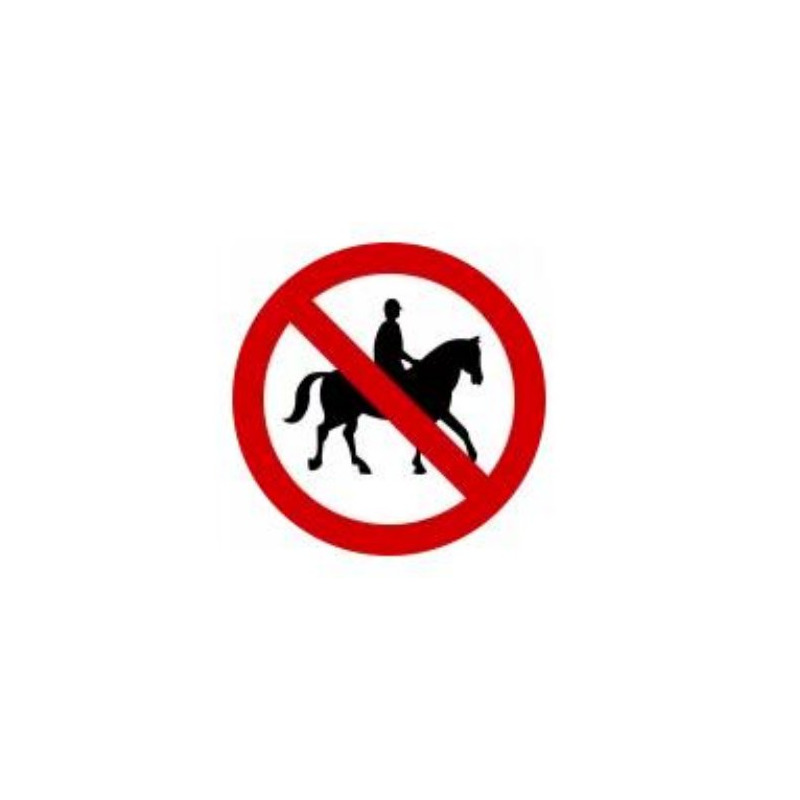
Vehicle restriction signs apply to specific categories of vehicles — typically based on weight, width, length, or vehicle type. They are common on narrow rural roads, old bridges, and in low-emission zones.
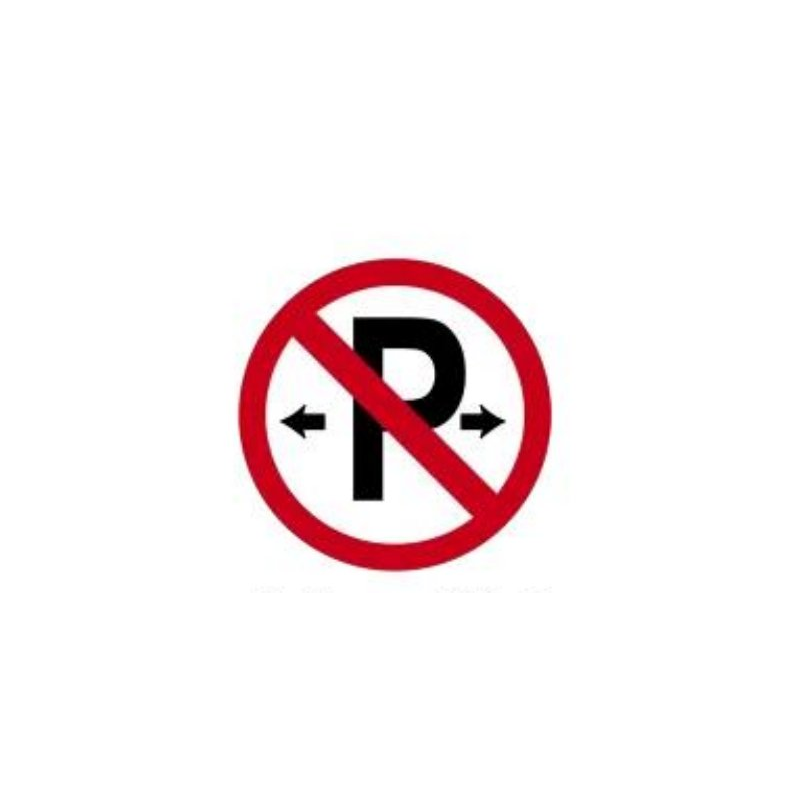
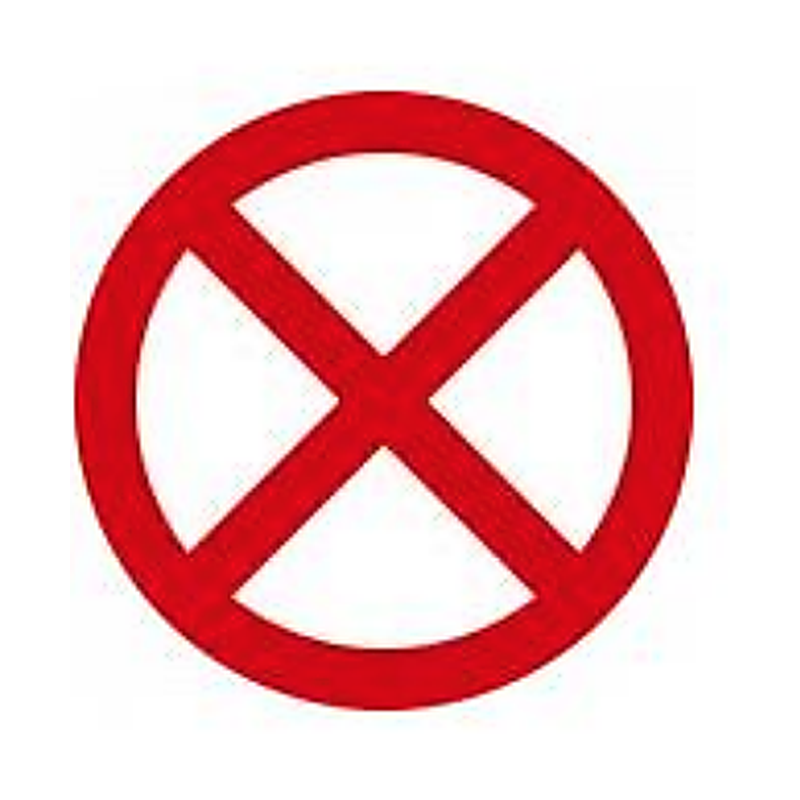
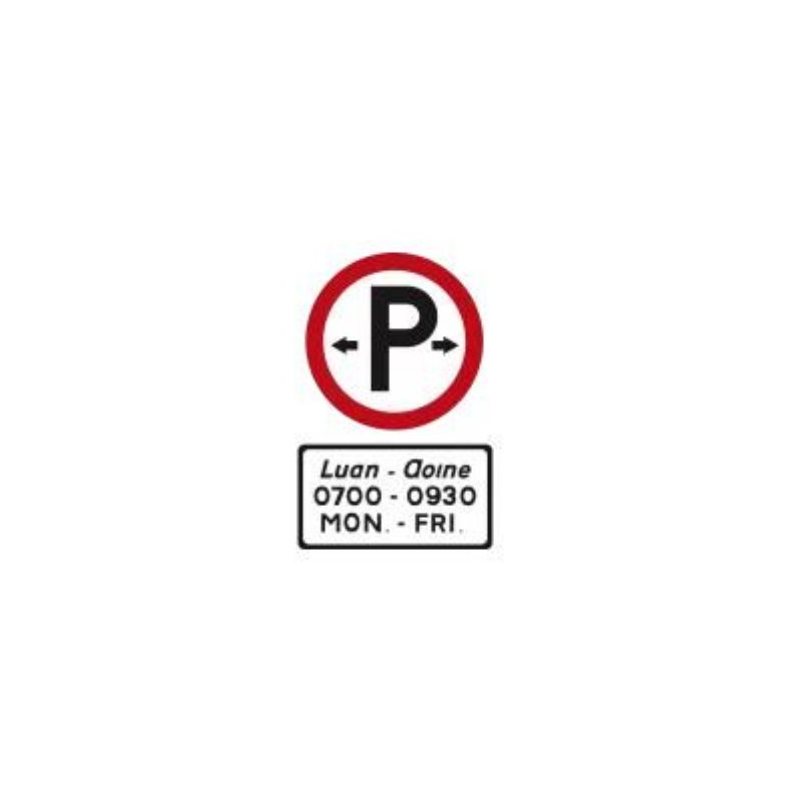
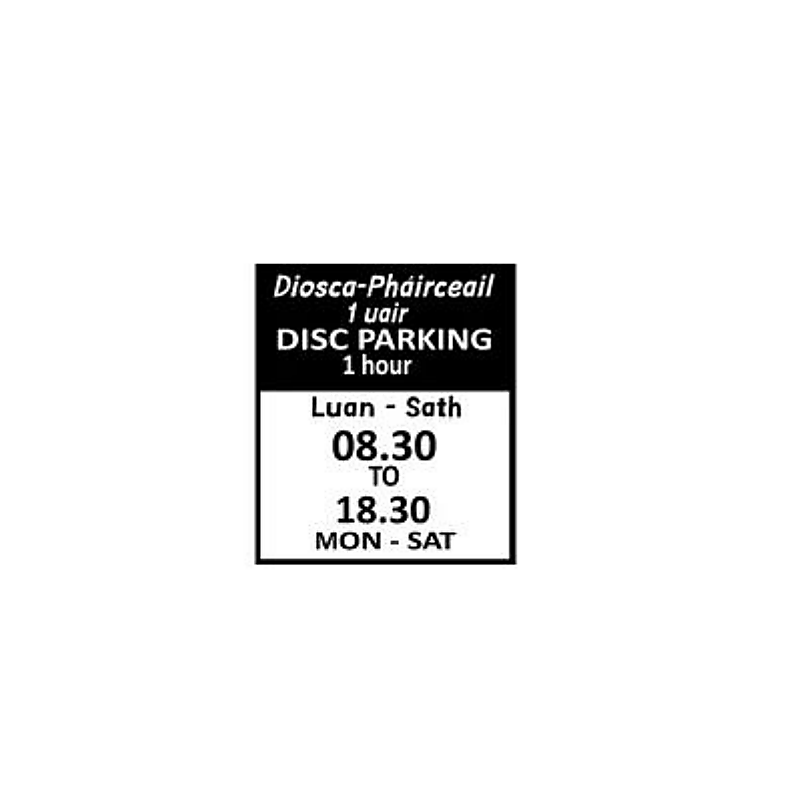
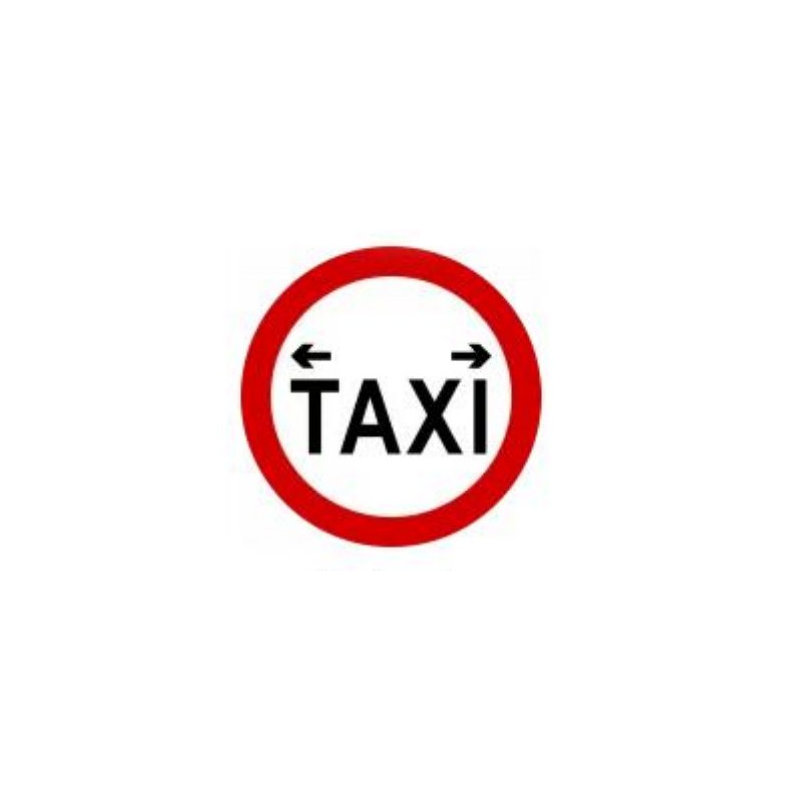
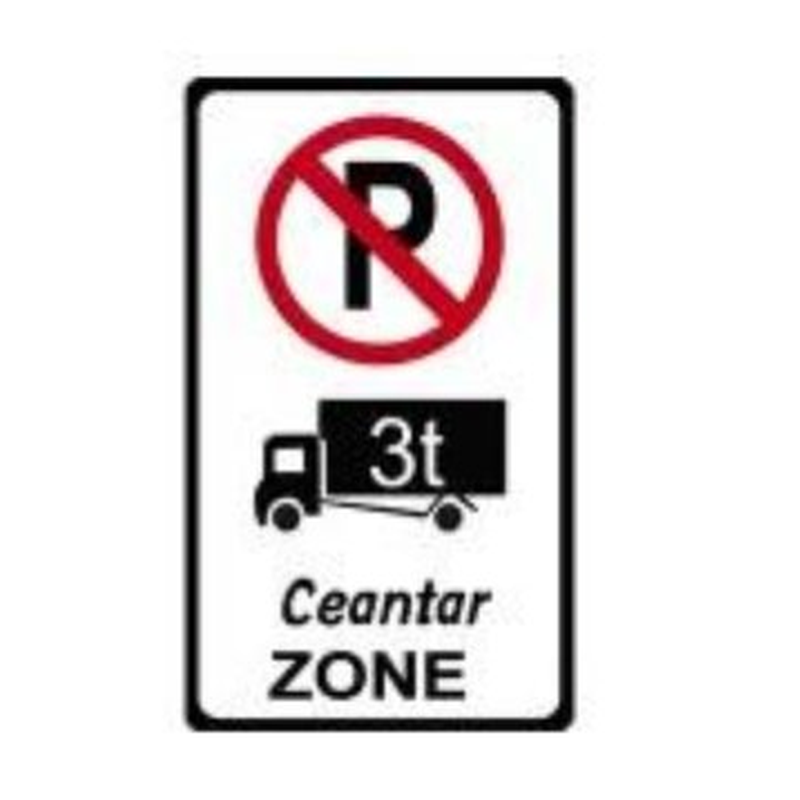
Parking & Stopping Restrictions
Parking and stopping restriction signs control where and when you may stop your vehicle. Violations carry fines and, in some cases, the vehicle may be clamped or towed.
School Warden Stop Sign
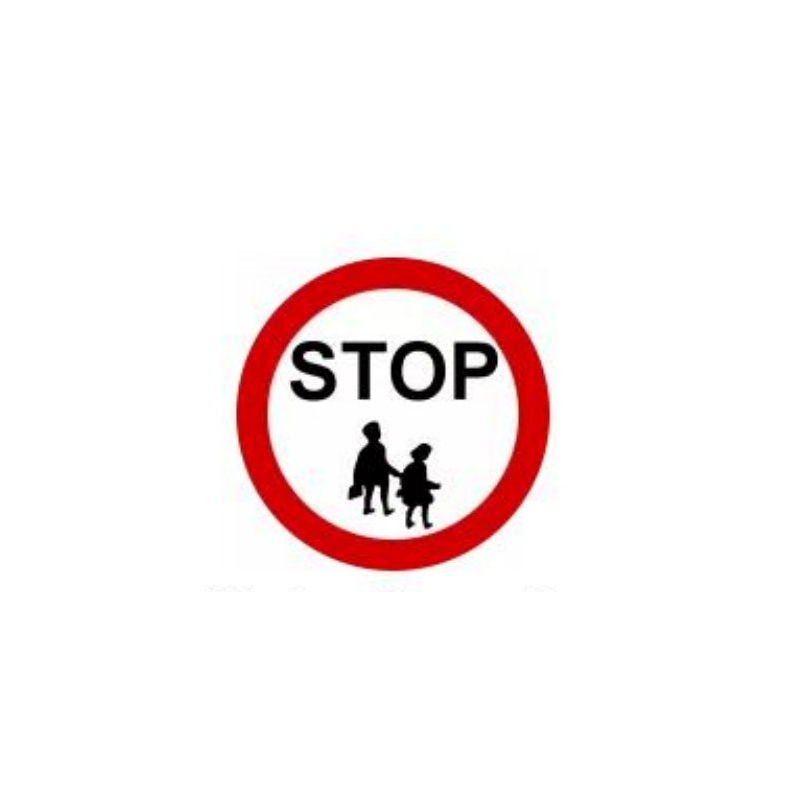
The School Warden Stop Sign is a hand-held regulatory sign displayed by a school warden — typically a person in a high-visibility uniform — to stop traffic and allow children to cross safely. It has the same legal authority as a fixed regulatory sign.
Mandatory Signs — What You MUST Do
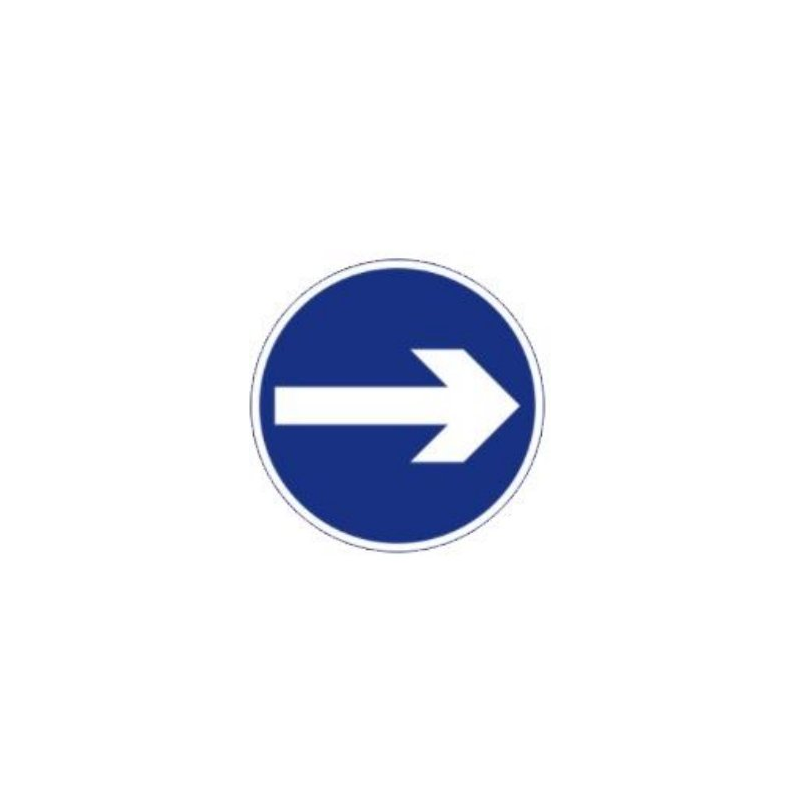
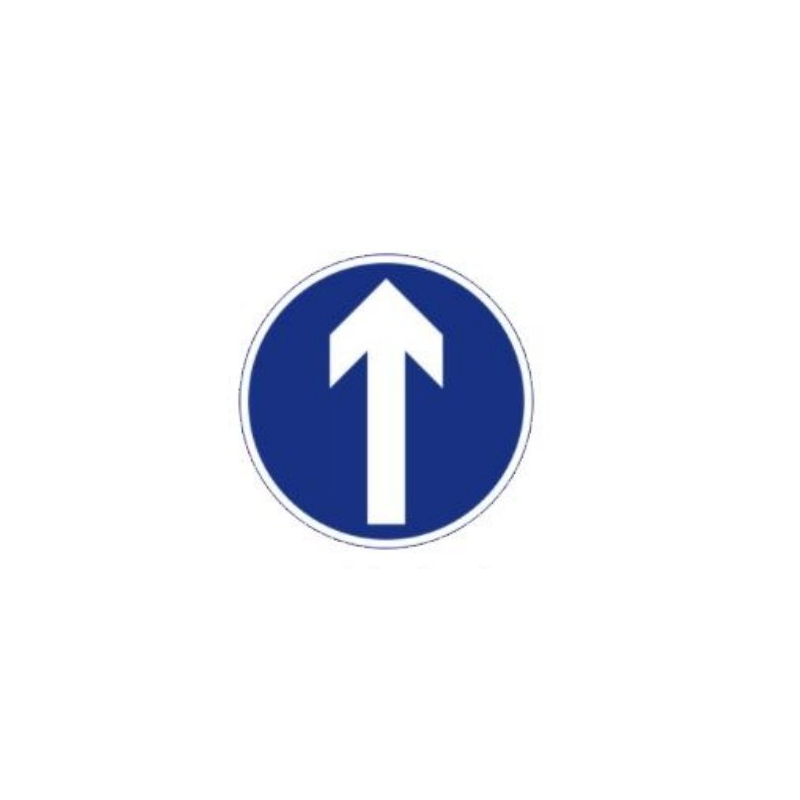
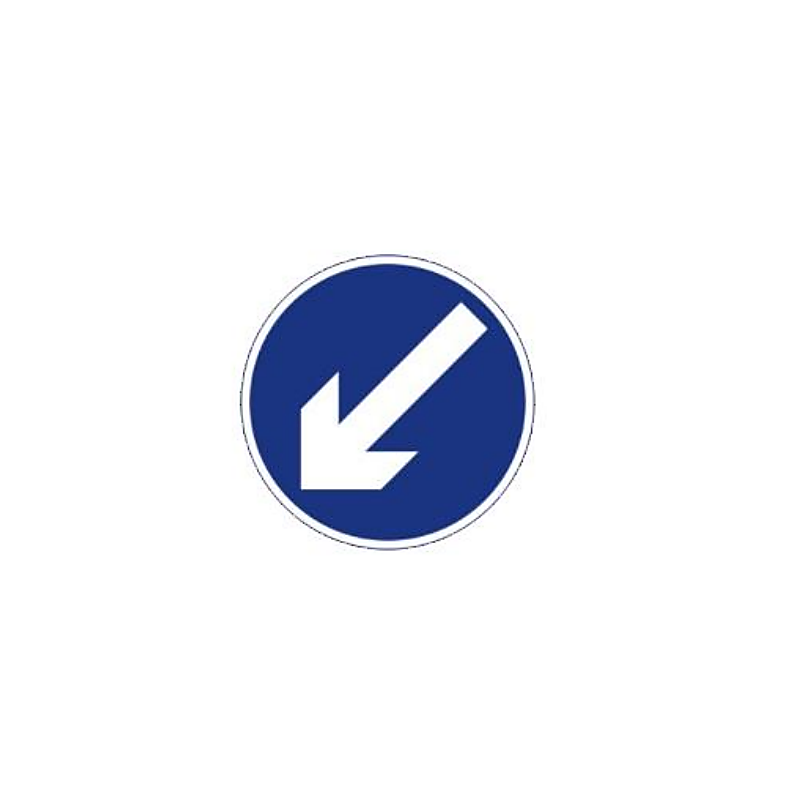
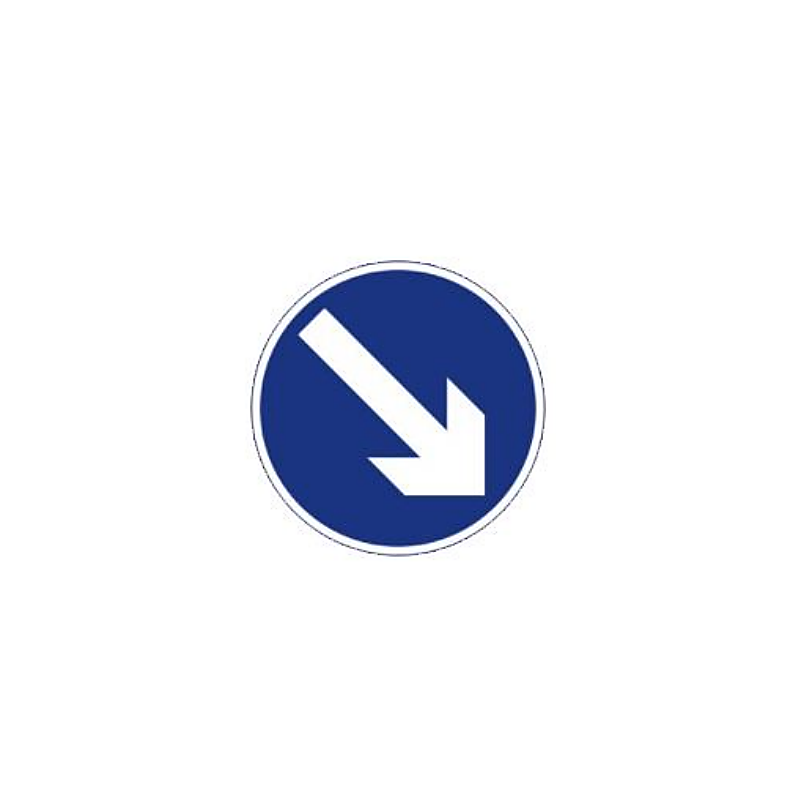
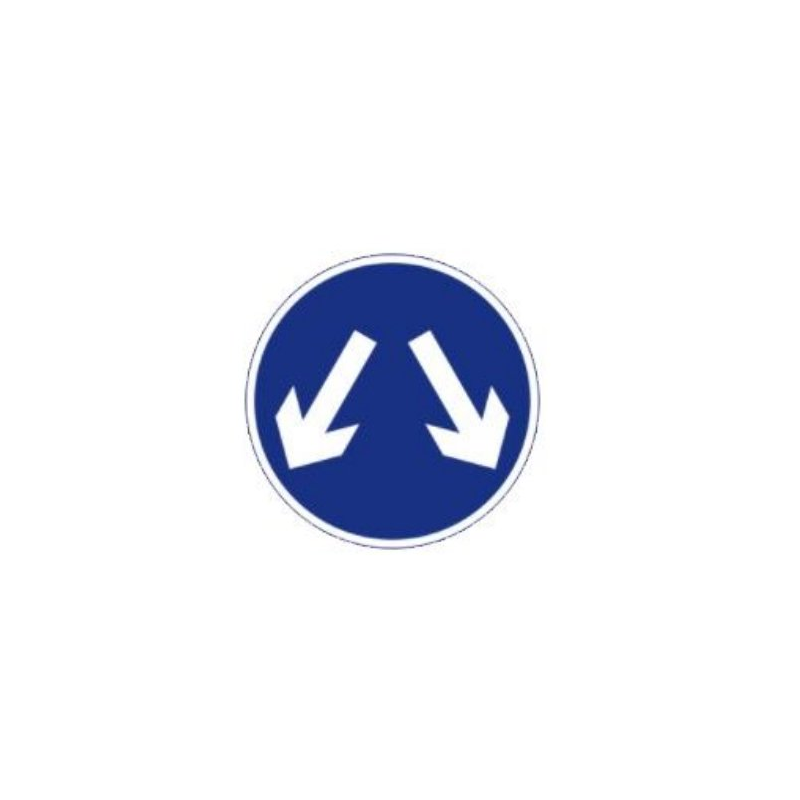
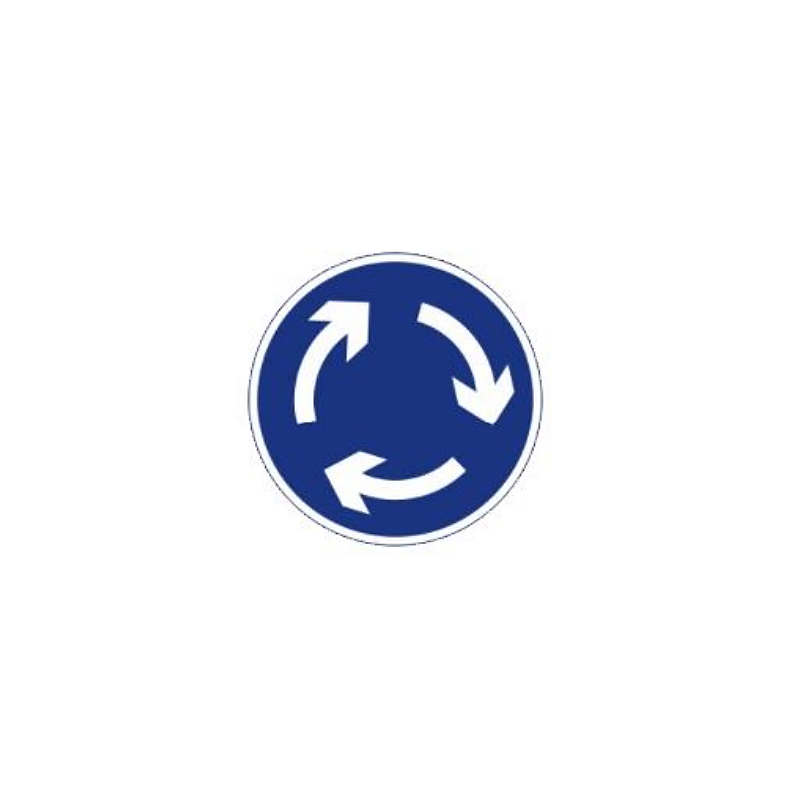
Blue Circle — MandatoryMandatory signs are circular with a blue background and a white symbol. They tell you what you are legally required to do at that point on the road — a specific direction to travel, a lane to use, or a route to follow. You must comply with a mandatory sign even if it takes you away from your intended route.
Mandatory Turn & Direction Signs
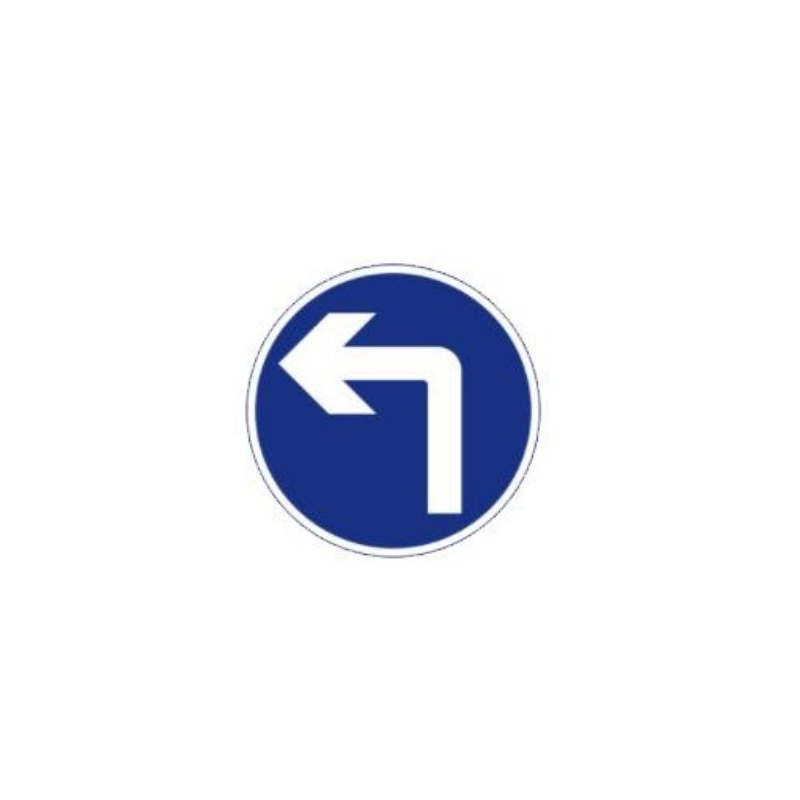
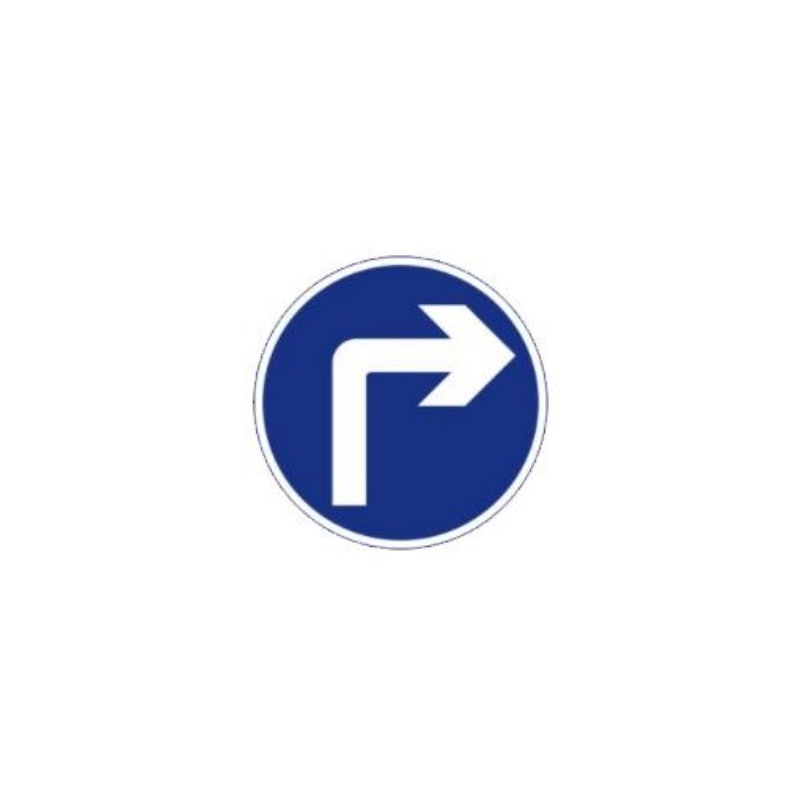
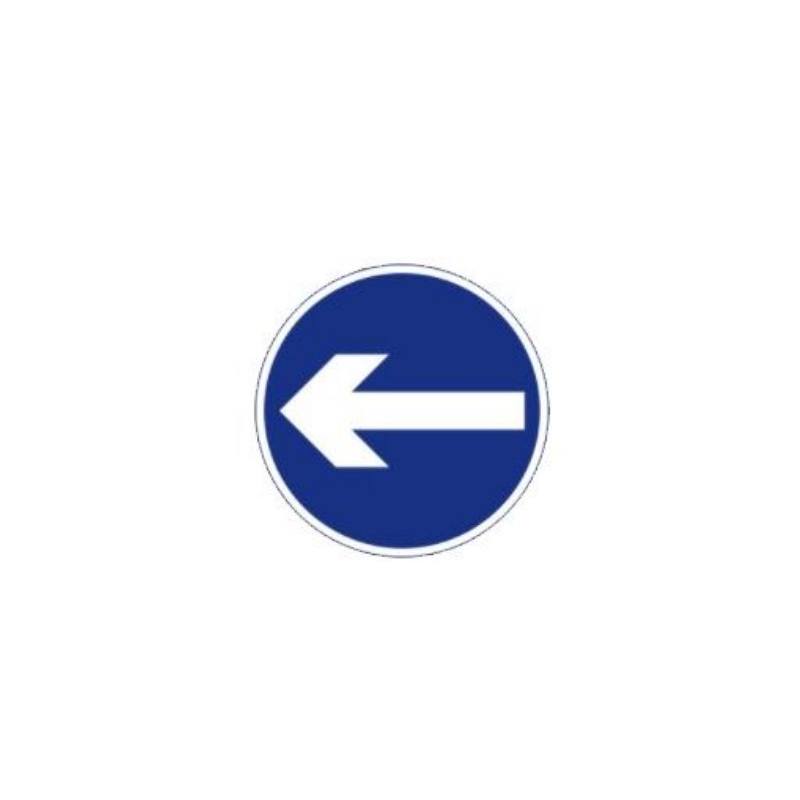
Mandatory turn signs are used at one-way systems, bus gates, complex junctions, and contraflows to direct traffic in the required direction. The arrow on the sign shows the direction you must travel.
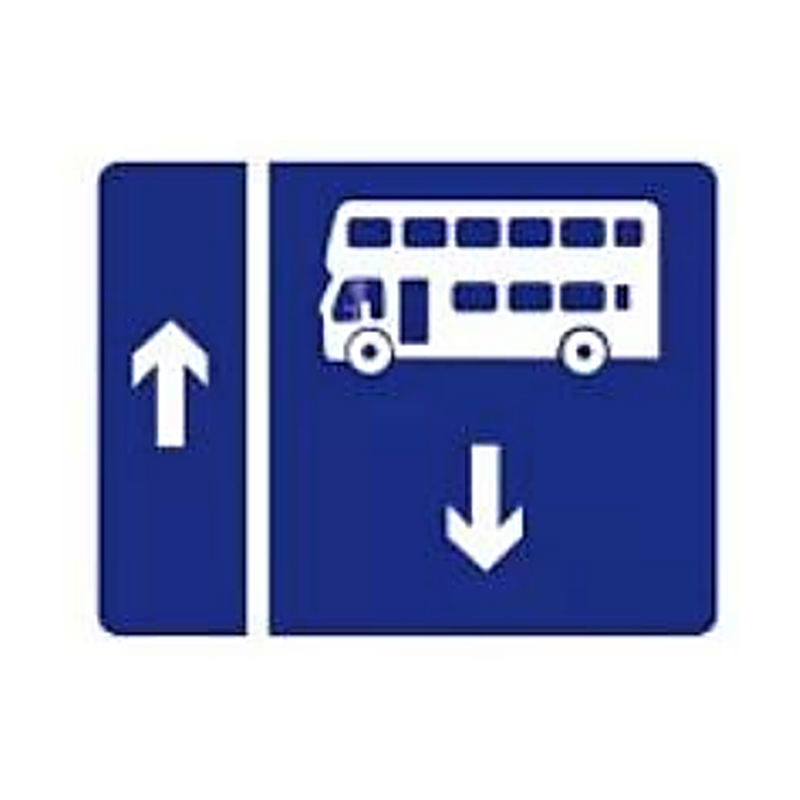
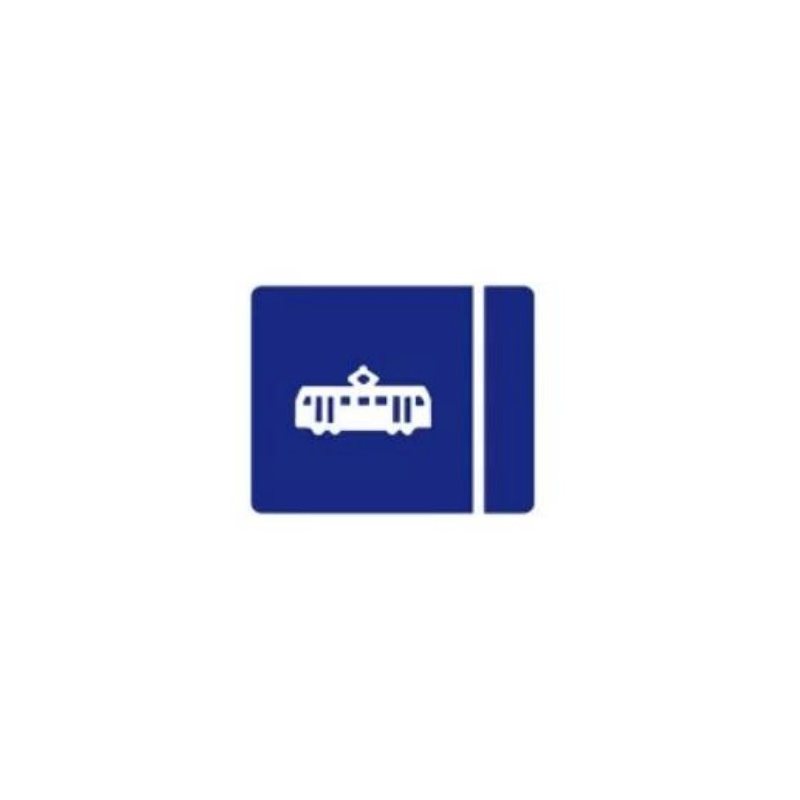
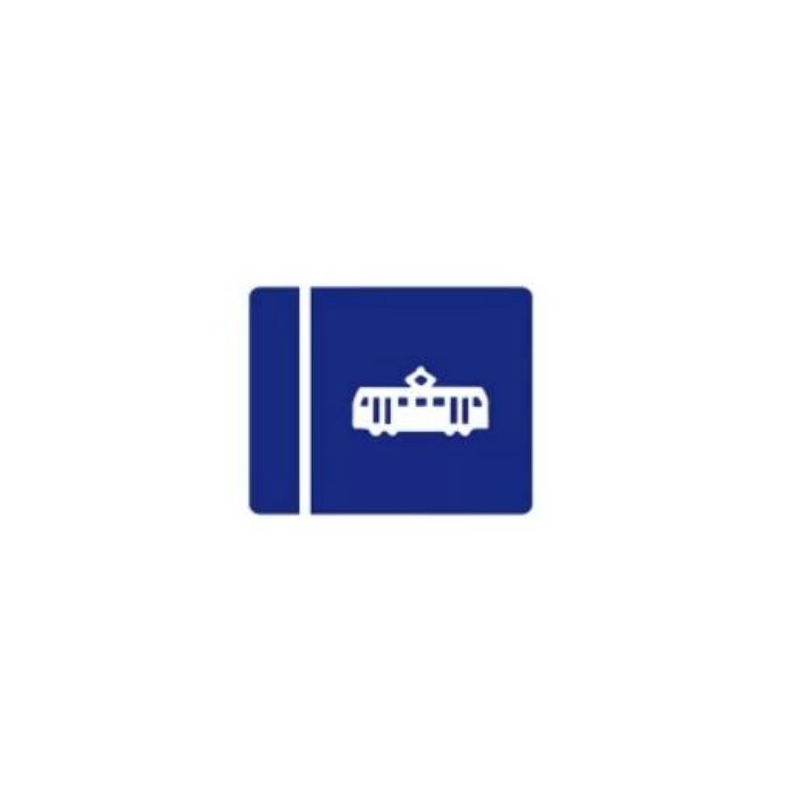
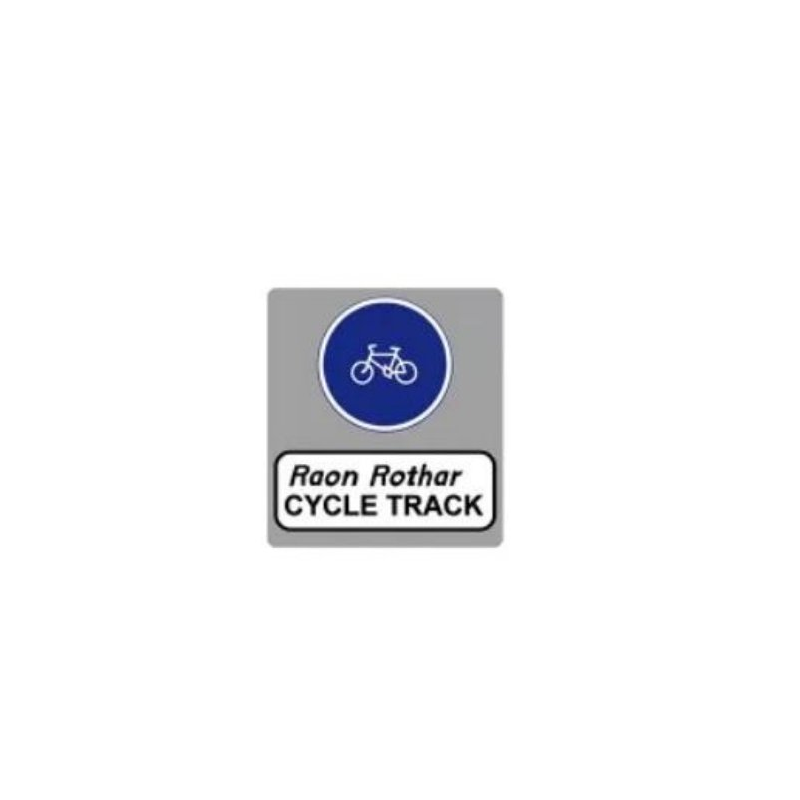
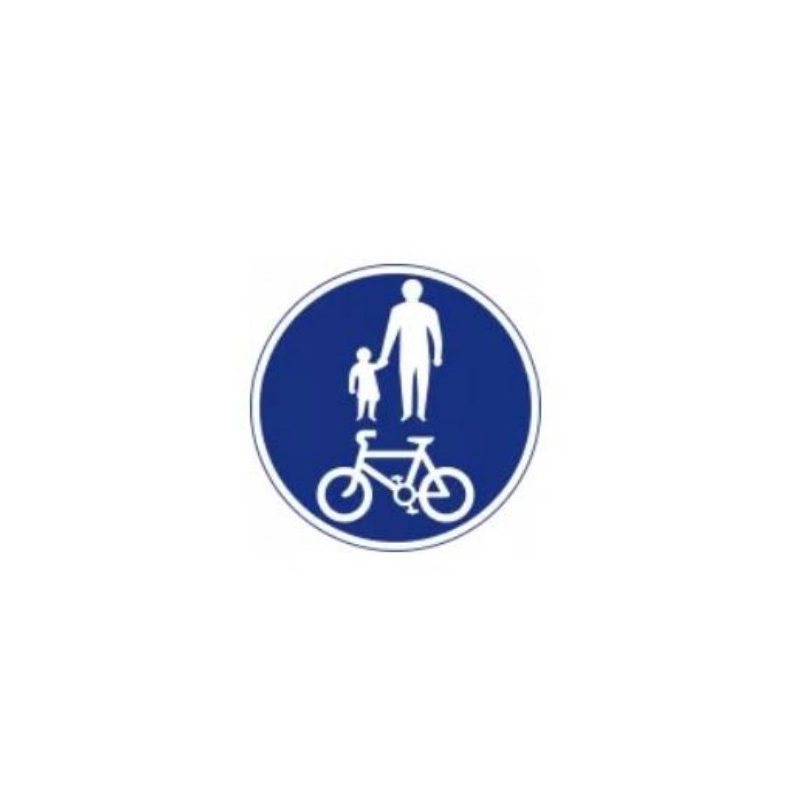
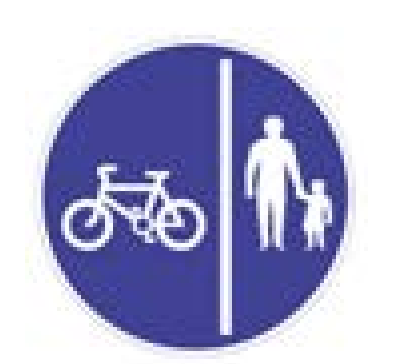
Special Lane & Access Signs
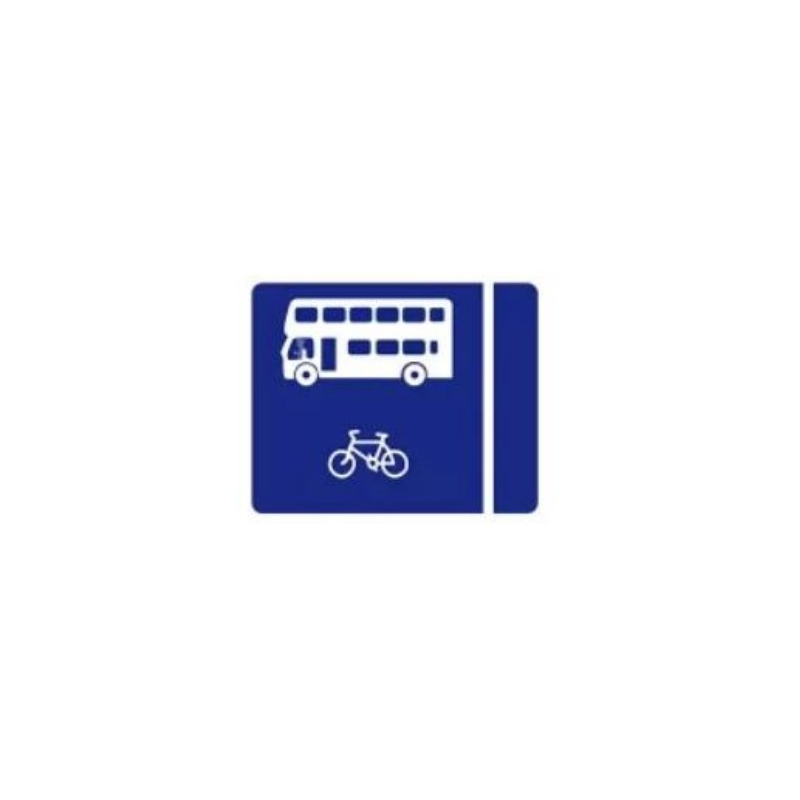
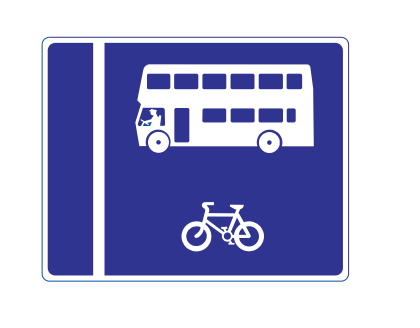
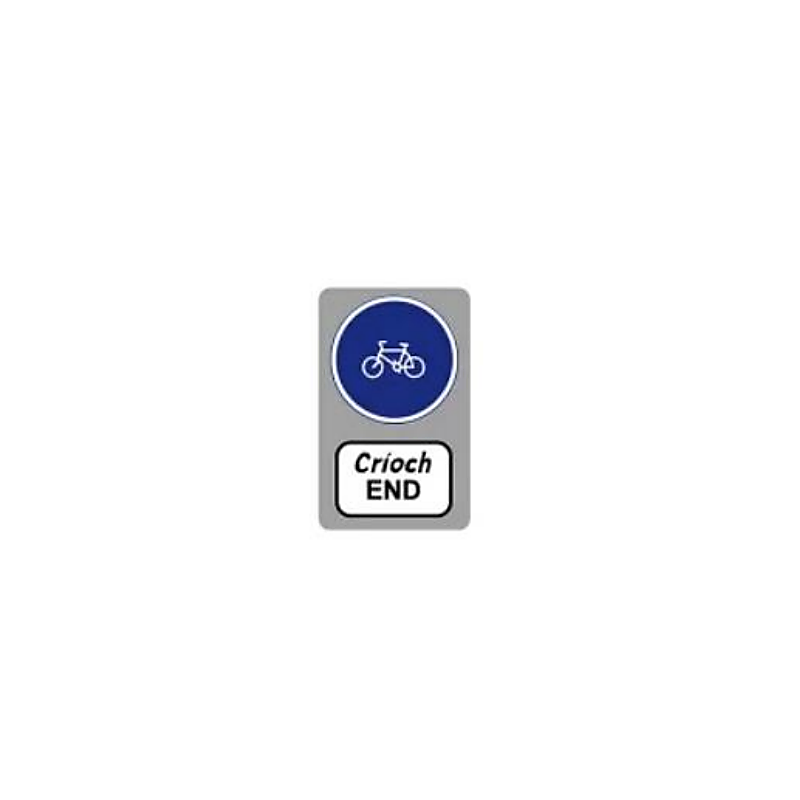
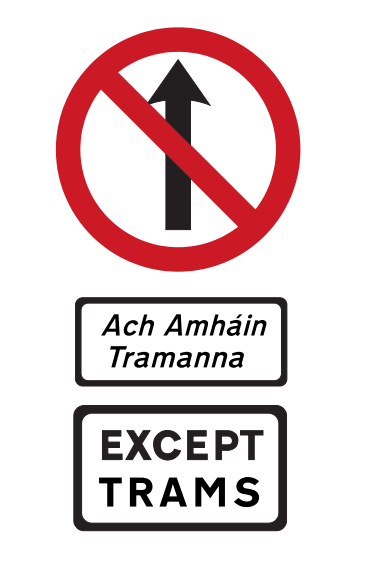
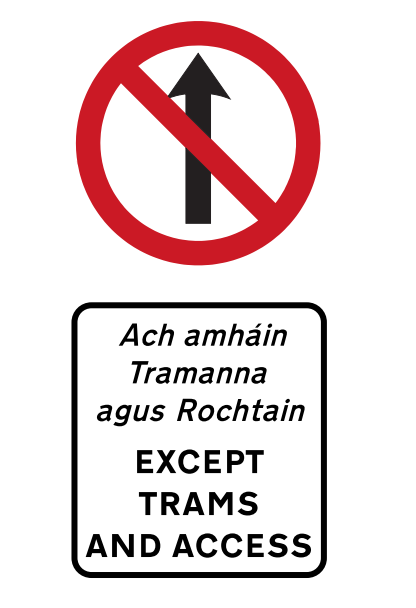
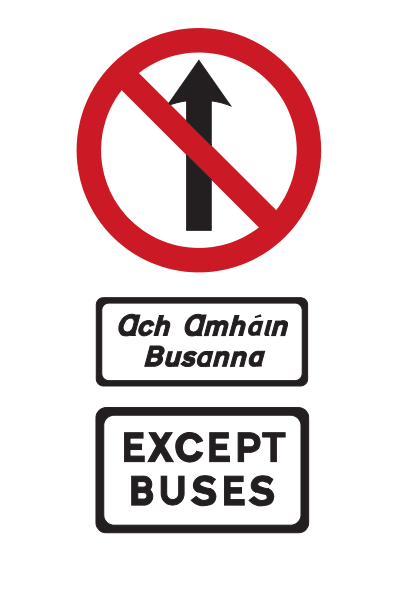
These mandatory signs govern access to and use of specific lanes reserved for particular vehicle types or movements.
Quick-Reference Table — Regulatory Signs
| Sign | Type | What It Means | Driving Test Risk |
|---|---|---|---|
| STOP | Special | Complete stop — all wheels stationary — before proceeding | Grade 3 (immediate fail) if not stopped fully |
| YIELD | Special | Give way to traffic on major road — stop if needed | Grade 2–3 if traffic is not given way to |
| Speed limit (30–120) | Prohibitory | Maximum legal speed for this stretch of road | Grade 2–3 for excessive or inappropriate speed |
| No Entry | Prohibitory | Vehicles must not enter from this direction | Grade 3 (immediate fail) |
| No Left / Right Turn | Prohibitory | Turning in the indicated direction is prohibited | Grade 3 (immediate fail) |
| No U-Turn | Prohibitory | U-turns are prohibited at this junction | Grade 3 (immediate fail) |
| No Overtaking | Prohibitory | Overtaking moving motor vehicles is prohibited | Grade 3 (immediate fail) |
| Clearway | Prohibitory | No stopping during operating hours | Not typically tested on route, but a legal offence |
| Turn Left / Right Ahead | Mandatory | You must turn in the direction shown at the next junction | Grade 2–3 for failure to comply |
| Keep Left / Right | Mandatory | You must pass the obstruction or island on the side shown | Grade 3 if wrong side is taken |
| Bus Lane | Mandatory | Lane reserved for buses (and sometimes taxis, cyclists) during operating hours | Grade 2–3 for entering during operating hours |
Regulatory Signs & Penalty Points
Many road traffic offences related to regulatory signs carry fixed charge notices (fines) and penalty points on your driving licence. Accumulating 12 or more penalty points within any 3-year period results in automatic disqualification from driving. New drivers (those who passed the test within the last 2 years) are disqualified at 7 penalty points.
| Offence | Penalty Points | Fixed Charge |
|---|---|---|
| Speeding (detected by Garda or speed camera) | 3 points | €80 (rising to €120 if unpaid) |
| Failure to stop at STOP sign | 2 points | €80 |
| Failure to yield at YIELD sign | 2 points | €80 |
| Driving through a red light | 3 points | €80 |
| Driving in a bus lane (during hours) | 1 point | €80 |
| No seatbelt | 3 points | €120 |
| Using a mobile phone while driving | 3 points | €120 |
Theory Test Tips for Regulatory Signs
Regulatory signs are among the most heavily tested signs in the RSA Driver Theory Test. Here is how to approach them efficiently in your revision:
- STOP vs YIELD: The most commonly confused pair. Remember — STOP is an octagon (unique shape), always requires a full stop. YIELD is an inverted triangle, requires giving way but not always stopping.
- Red border vs blue background: Red border = you are prohibited from doing something. Blue background = you are required to do something. Learn this colour rule and you can identify the category of any regulatory sign instantly.
- Speed limit knowledge: Know all six posted limits (30, 50, 60, 80, 100, 120) and the four default limits (50 built-up, 80 rural non-national, 100 national, 120 motorway). Default limits are regularly tested.
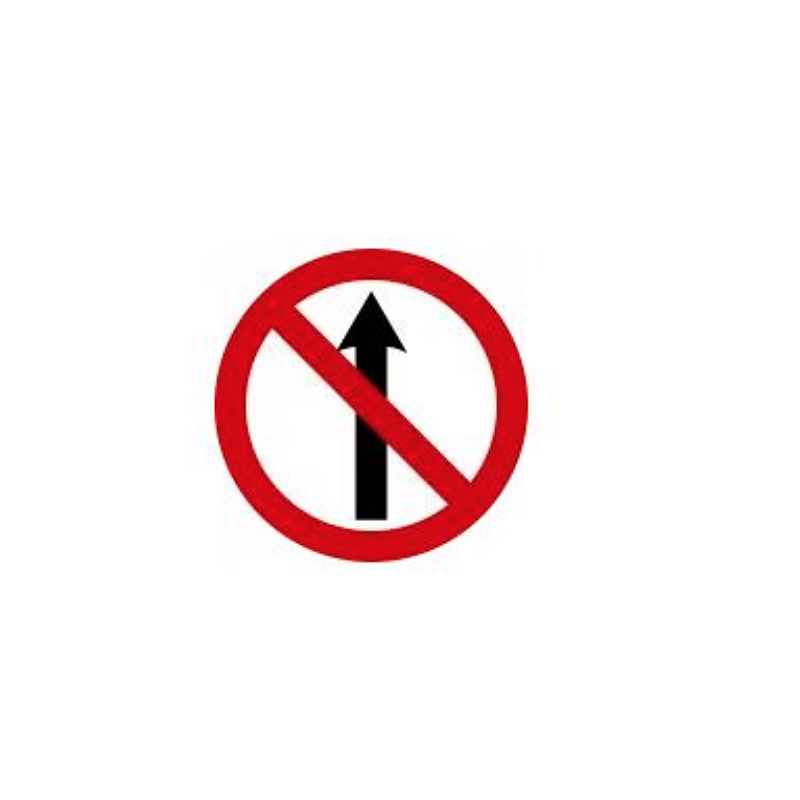
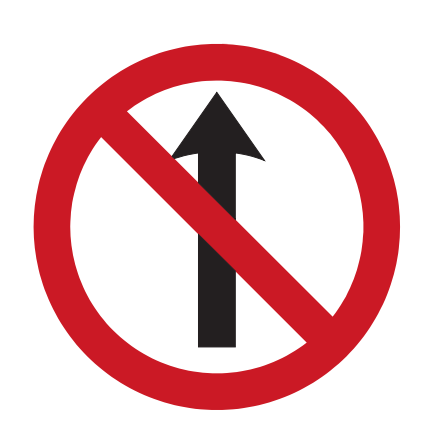
- No Entry is not the same as No Straight Ahead: The No Entry sign has a single horizontal bar (you cannot enter). The No Entry / No Straight Ahead sign has a vertical bar crossed through — you may enter but must not go straight ahead.
- Know the penalty points: The theory test often includes questions about the legal consequences of ignoring regulatory signs. Know that STOP and YIELD violations carry 2 penalty points and speeding carries 3.
Regulatory Signs on the RSA Driving Test
Regulatory signs are the highest-stakes category of signs on the RSA driving test because the consequences of disobeying one are almost always immediate failure. The driving test assessor specifically watches how you respond to every regulatory sign on the route.
- STOP signs: Must come to a complete stop — all wheels stationary — at or before the stop line. Rolling stops are Grade 3 faults.
- Speed limits: You must be within the posted limit at all times. The assessor is aware of every speed limit change on the route. Excessive speed in a 30 km/h zone near a school is particularly serious.
- No Entry / No Turn signs: You must not enter a No Entry road or make a prohibited turn under any circumstances during the test. If you are on an unfamiliar road, it is better to stop and look before entering a junction than to proceed and turn into a prohibited direction.
- Mandatory turns: If you see a mandatory Turn Left Ahead sign, you must turn left at the next junction. Missing it is a fault; if you miss it and inadvertently enter a prohibited area, it becomes a Grade 3 fault.
- Bus lanes: Know the operating hours of bus lanes on the test route. If you are unsure, treat any marked bus lane as active and stay out of it.
- School Warden: If a school warden displays a STOP sign during your test, you must stop immediately and wait for the all-clear before moving.
Frequently Asked Questions
Continue in the Road Signs series
Understanding regulatory signs in theory is one thing — applying them correctly under pressure on real roads is where your skills are built. Book your EDT lessons with BP Driving School — RSA-approved, Swords, door-to-door pickup, manual & automatic.
Preparing for your test? Book a mock test to check your readiness before the real thing.